Burkina Faso’s popular revolution: a genuine shift or just empty promises?
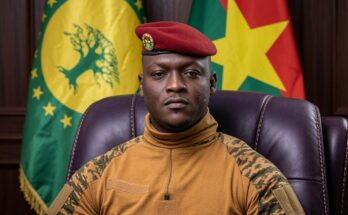
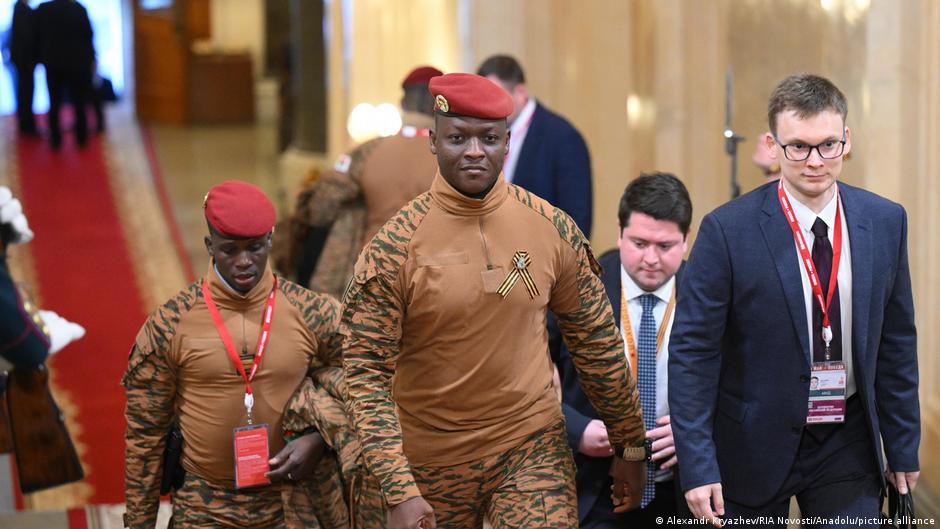
The narrative of Burkina Faso’s political landscape has shifted dramatically since Captain Ibrahim Traoré assumed power in late September 2022. Initially, he framed his leadership as a temporary measure, vowing to restore stability before stepping aside. Yet, nearly two years into his tenure, the promises of a swift transition have faded, replaced by a firm grip on authority. While Traoré positions himself as a revolutionary figure, inspired by the legacy of Burkina Faso’s iconic leader Thomas Sankara, his administration has drawn sharp criticism for its authoritarian tendencies.
In late March, the Progressive Popular Revolution Charter (RPP) was unanimously endorsed by lawmakers in the Transitional Legislative Assembly, replacing the 2024 Transition Charter. This landmark document aims to redefine Burkina Faso’s political trajectory, though its implementation remains shrouded in uncertainty. Meanwhile, Amnesty International has urgently called on the military government to reverse its decision to dissolve over a hundred associations, including prominent human rights groups, citing violations of fundamental freedoms.
The discussion under The Palaver Tree delved into these developments, examining their implications for Burkina Faso’s democratic aspirations. A key focus was the halfway assessment of the Alliance of Sahel States, established on September 16, 2023, to strengthen regional security and cooperation.
Voices from the debate
- Teehl Loé Konaté, a project coordinator and analyst specializing in Pan-African dynamics and international relations. He also serves as Deputy Secretary-General for Kamita, a civil society organization dedicated to cultural reflection, historical analysis, and Pan-African foresight.
- Paul Amegakpo, President of the Tamberma Institute for Governance (ITG).
- Mayra Djibrine, President of the Sahel Democrats Alliance.
To listen to the full discussion, click on the central image.