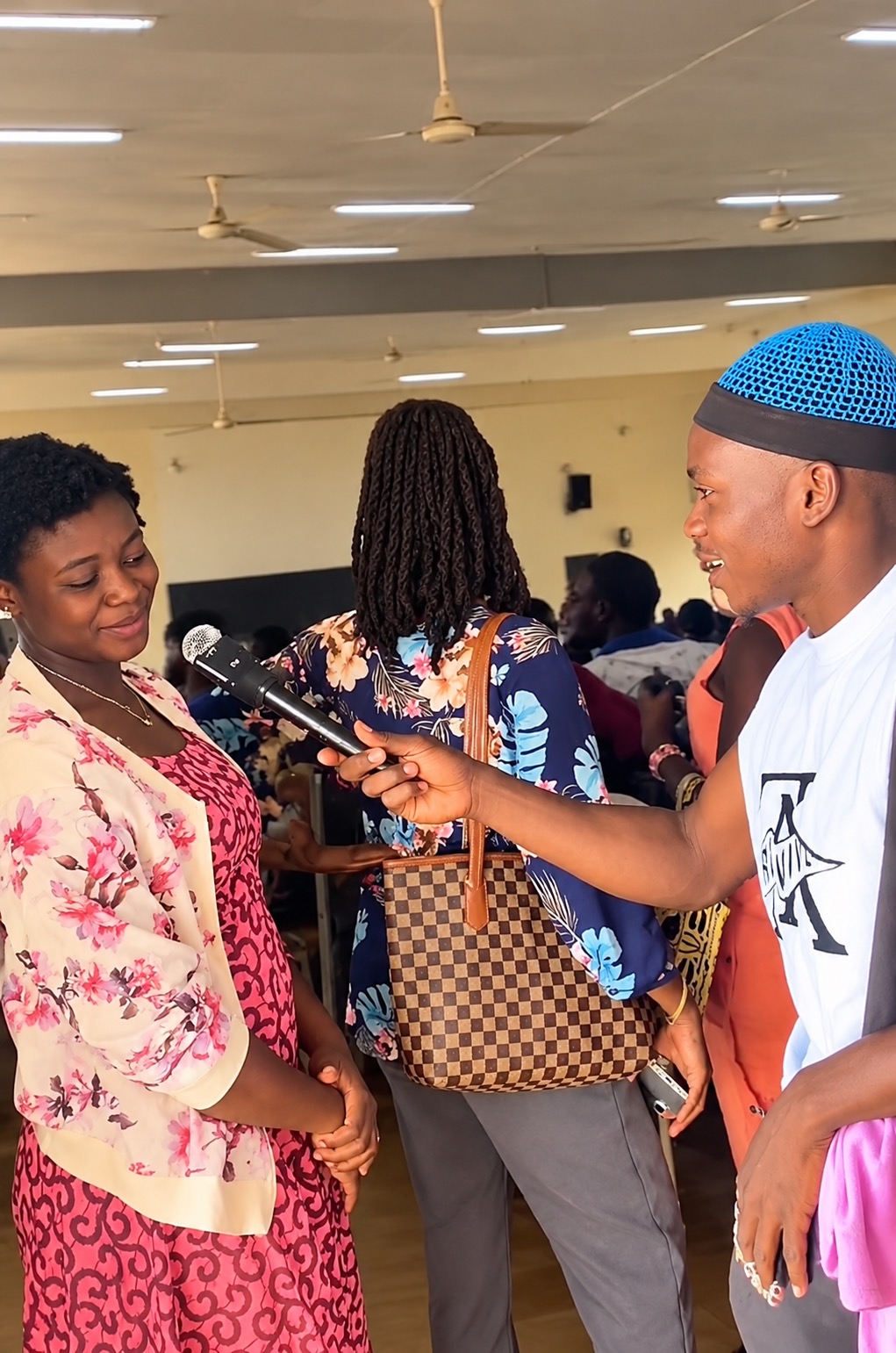
Report from Ouagadougou: where university dreams collide with harsh reality
The first day of lectures at the University of Ouagadougou this academic year began not with excitement, but with frustration. Students found themselves packed into overcrowded amphitheatres, standing in aisles, sitting on floors, and struggling to follow lessons in sweltering conditions. For many freshmen who chose local universities based on government assurances of modernization, the experience has been jarring.
Promises vs practical reality: what has changed since last year’s declarations?
The government has repeatedly pointed to improved university infrastructure as a cornerstone of national development. Official statements have highlighted new buildings, digital classrooms, and enhanced facilities as evidence of transformation. Yet these declarations have done little to ease the daily struggles faced by students.
According to testimony from students across five major campuses, the situation remains dire:
Lecture halls designed for 200 students now host 400 or more, forcing many to attend classes remotely or skip them entirely.
Access to basic course materials is inconsistent, with digital tools often unavailable due to technical failures or insufficient bandwidth.
Bureaucratic delays persist in registration and transcript processing, leaving students unable to progress in their programs on schedule.
Government data reveals the genuine state of higher education
Numbers from the Ministry of Higher Education paint a clearer picture of the crisis. As of last June, the nation hosted over 190,000 university students, but only 89,000 official seats existed across all public institutions. That means less than half of enrolled students have designated places to sit during lectures.
Moreover, the student-to-teacher ratio stands at 109:1, far exceeding the recommended 25:1 standard. These figures paint a system unable to meet its most basic obligations not because of a lack of vision, but because of insufficient infrastructure, staffing, and organization.
The human cost: broken expectations and delayed futures
For students like Amadou Konaté, a second-year law student at the University of Koudougou, the gap between promise and reality has reshaped his academic journey. “I returned from Ivory Coast because I believed the government’s claims about modernizing education,” he says. “Now, I spend more time waiting for courses that may be canceled than actually studying.”
The psychological toll is just as significant. Students report anxiety over access to essential courses, fear of academic delays, and frustration at being treated as numbers rather than learners. Many wonder why, after years of hearing about university transformation, their experience remains defined by shortages and systemic failure.
Can leaders afford to ignore the widening credibility void?
For a government positioning itself as a champion of youth and national progress, the mismatch between messaging and measurable outcomes poses a growing risk. When students voice disappointment not in political rhetoric, but in their inability to attend class, the disconnect becomes impossible to ignore.
Public officials have yet to provide transparent updates on capacity increases, new faculty hires, or completed construction projects. Without such data, credibility erodes further. The question is no longer whether improvements are underway, but whether they will ever match the scale of student needs.
The way forward: transparency and direct action
To restore confidence, the Ministry of Higher Education must publish up-to-date enrollment figures, verified seating capacity, and concrete timelines for infrastructure rollout. Students need more than announcements they need proof that classrooms exist, teachers are accessible, and systems function reliably.
Until such measures are implemented, the narrative of a modernized university system will remain a distant aspiration. The true measure of leadership will not be the number of speeches delivered, but the number of seats finally made available to those who need them most before another academic year begins.
By Jeanne Ntouba — Journalist