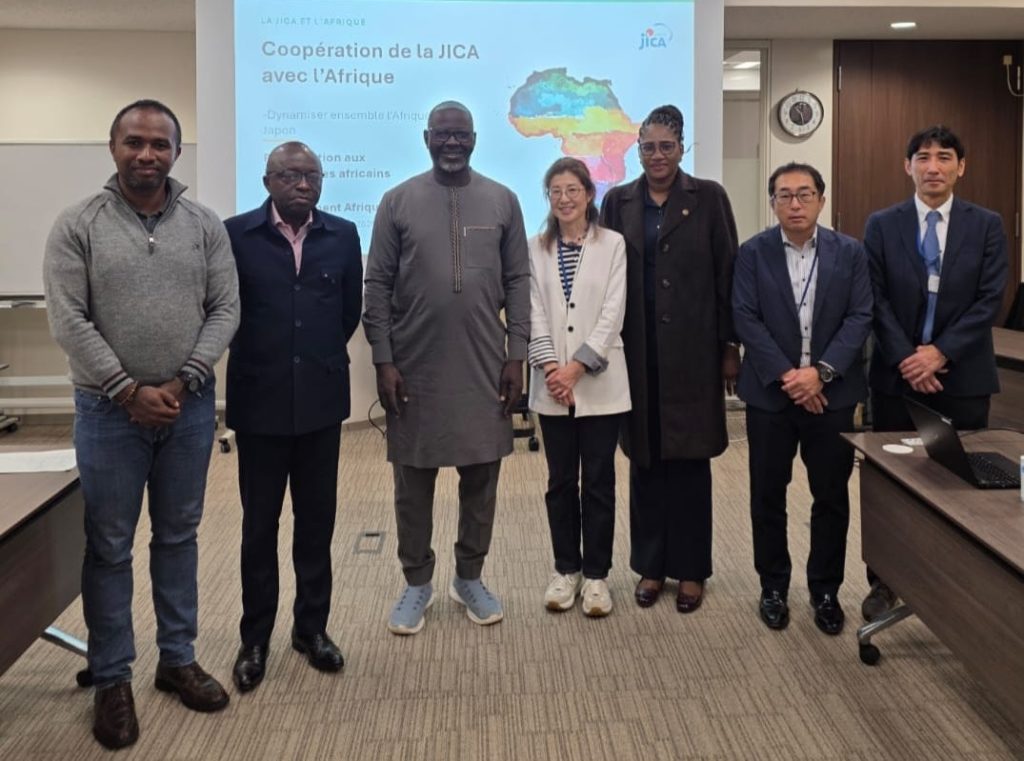
The Burkina Faso-Japan partnership through the Japan International Cooperation Agency (JICA) is reshaping the nation’s economic landscape. Faced with geopolitical shifts and burgeoning development demands, Burkina Faso is leveraging Japanese expertise in agriculture, education, and infrastructure to build a more resilient and self-sufficient future.
Why the JICA-Burkina Faso collaboration matters for long-term development
The JICA’s role extends far beyond conventional aid. By prioritizing technology transfer, vocational training, and institutional capacity building, the partnership addresses Burkina Faso’s most pressing economic and social challenges. Unlike traditional models, JICA’s approach fosters local ownership by empowering citizens and institutions to implement and sustain progress.
With Africa’s strategic importance rising on the global stage, Burkina Faso stands to gain significantly from diversified international partnerships. For Japan, this alliance strengthens its position as a key player in Africa’s sustainable development, aligning with Tokyo’s long-term diplomatic and economic goals.
Modernizing agriculture to secure food sovereignty
Agriculture is the backbone of Burkina Faso’s economy, yet it faces severe strain from climate change, water scarcity, and outdated irrigation systems. The JICA-supported Project for Revitalizing Irrigated Perimeters (PReCaRI) has already made strides in training local engineers and improving irrigation management. A new 1.4 billion yen grant announced in early 2026 will further strengthen equipment maintenance at the Ouagadougou Maintenance Garage, ensuring long-term functionality of hydro-agricultural infrastructure.
Future initiatives could focus on:
- Regional agricultural equipment maintenance centers
- Specialized mechanic training programs
- Solar-powered irrigation projects
- Value-added processing units for rice, maize, sorghum, and vegetables
- Cooperative market access programs
The ultimate goal? Transitioning from subsistence agriculture to integrated value chains that combine production, preservation, processing, and commercialization.
Empowering youth through education and vocational training
Education remains a cornerstone of national development. Since 2022, JICA has contributed to the construction and equipping of 26 schools across Burkina Faso, including eight inaugurated in May 2026—five general secondary schools and three multipurpose colleges. The next phase must focus on improving learning outcomes and aligning curricula with labor market demands.
Core priorities include:
- Vocational training in agricultural mechanics, solar energy, and industrial maintenance
- Partnerships between Burkinabè technical schools and Japanese vocational institutes
- Adaptation of Japan’s Kaizen philosophy to enhance quality, efficiency, and continuous improvement in schools and businesses
Building resilient infrastructure and sustainable cities
Burkina Faso’s rapid urbanization has strained natural resources, exposed vulnerabilities to climate shocks, and overwhelmed waste management systems. Japan’s expertise in disaster prevention, water resource management, and urban planning offers valuable solutions. JICA-backed pilot projects could focus on:
- Rainwater harvesting in schools and health centers
- Composting and plastic waste recycling
- Soil restoration and erosion control
- Integrated waste management systems involving local communities, women’s cooperatives, and youth groups
Sustainable infrastructure maintenance—particularly for rural roads, hydraulic structures, and public facilities—will be crucial to preserving national investments and enhancing resilience.
Strengthening healthcare systems for inclusive growth
Access to quality healthcare is critical for human capital development. JICA’s potential contributions include:
- Training biomedical technicians in public hospitals
- Improving medical equipment maintenance and supply chains
- Enhancing community health worker programs
- Linking agriculture, nutrition, and school feeding programs to combat malnutrition
Between 2000 and 2019, over 400 Japanese volunteers served in Burkinabè institutions, and JICA’s Knowledge Co-Creation Program has trained over 1,000 professionals. Establishing a network of alumni could amplify this legacy, fostering mentorship, innovation, and institutional memory.
Forging a future-ready partnership: five strategic priorities
To consolidate gains and chart a new course, JICA and Burkina Faso are considering five complementary action areas:
- Productive Burkina Faso: Scaling up irrigation, agricultural modernisation, local value addition, and equipment maintenance
- Skilled Burkina Faso: Expanding vocational training, technology transfer, and youth entrepreneurship
- Resilient Burkina Faso: Climate adaptation, water resource management, recycling, and disaster risk reduction
- Modern Burkina Faso: Sustainable infrastructure, digital governance, and efficient public services
- Inclusive Burkina Faso: Gender-responsive education, community health, and social cohesion
From aid to self-reliance: the true measure of partnership success
The strength of international cooperation lies not in the volume of funds or the number of buildings constructed, but in the depth of skills transferred, technologies adopted, and sustainable systems created. For Burkina Faso, this means transforming training into employable expertise, investments into national wealth, and foreign support into lasting independence. The Japan-Burkina Faso collaboration, grounded in mutual respect and shared ambition, has the potential to redefine how African nations achieve growth—on their own terms.