By the end of April 2026, Cameroon had collected 12.2 billion FCFA in transit fees from crude oil transported via the Chad-Cameroon pipeline. The Pipeline Steering and Monitoring Committee (CPSP) reported a year-on-year increase of 1.2 billion FCFA, representing an 11% rise compared to the same period in 2025. This surge follows the transport of 16.1 million barrels of Chadian crude through Cameroonian territory during the first four months of the year.
a critical lifeline for Chad’s energy isolation
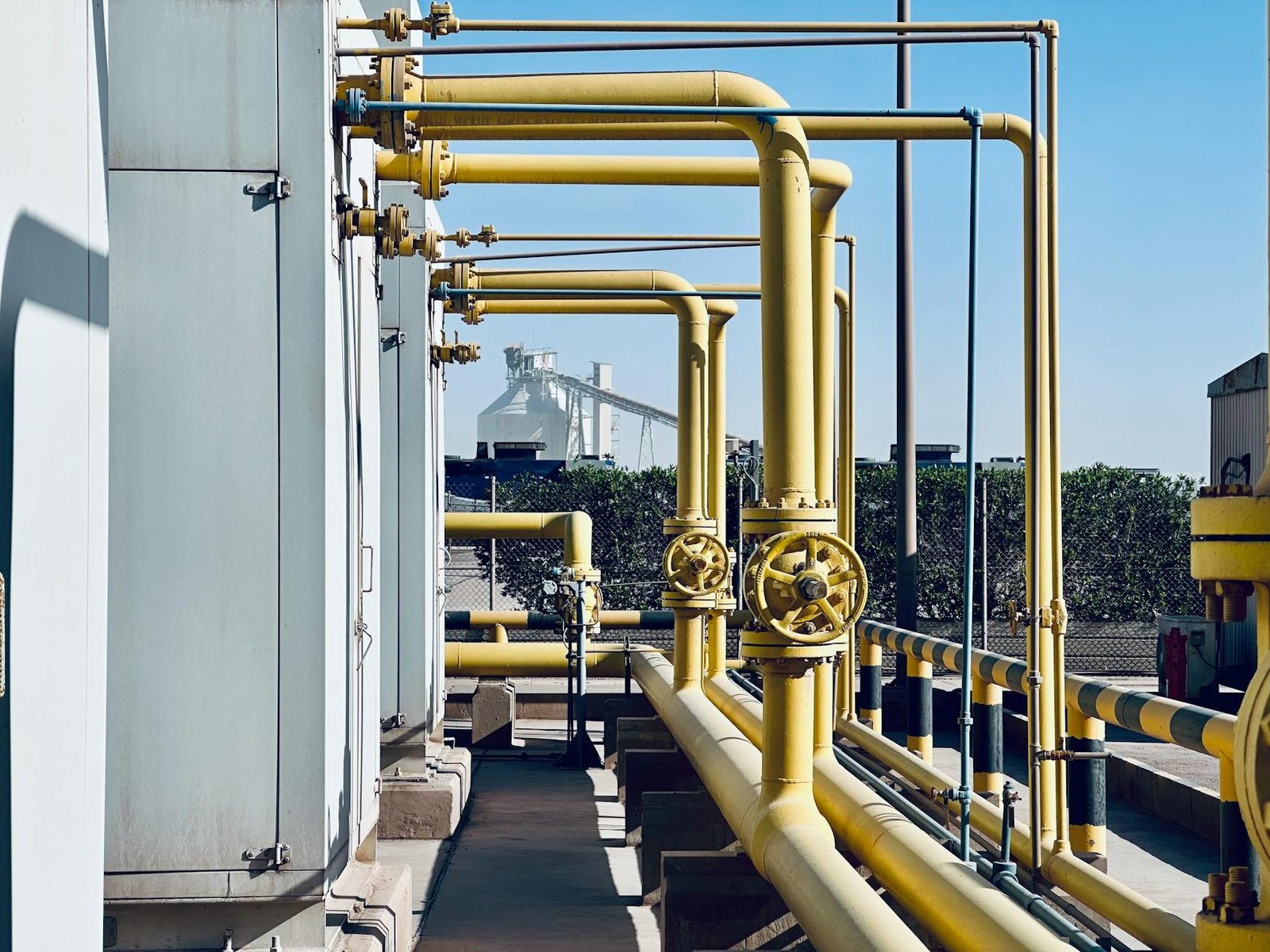
The 1,080-kilometer pipeline serves as the sole viable export route for Chad, connecting its southern oil fields to the Komé-Kribi export terminal on Cameroon’s coast. Without direct maritime access, N’Djamena relies entirely on this infrastructure to reach global markets. Initially launched in the early 2000s under a consortium led by ExxonMobil, the pipeline remains Chad’s only practical option for oil exports.
For Cameroon, this geographic dependency translates into steady budgetary inflows. Each barrel passing through its territory generates a transit fee of $1.321, credited to the national treasury. While the mechanism is straightforward, its cumulative impact bolsters non-tax revenue in a nation where Yaoundé is actively diversifying income streams amid a declining domestic hydrocarbon output.
transit fees soar after two decades of negotiation
The current fee structure is the result of a decade-long renegotiation process that began in 2013. Initially set at $0.41 per barrel—a rate deemed insufficient by Cameroonian authorities given the environmental and logistical risks borne by the transit country—the fee has undergone two revisions in 2013 and 2018. These adjustments have more than tripled the unit fee over fifteen years, aligning Cameroon’s transit conditions with regional benchmarks such as the BTC system in Central Asia and similar arrangements on neighboring pipelines like COTCO.
Despite this progress, the next scheduled fee adjustment remains pending. A new increase was supposed to take effect on October 1, 2023, but no official announcement has confirmed the conclusion of talks or the implementation of a revised tariff. The prolonged uncertainty surrounding this issue raises questions, particularly as Cameroon has recently emphasized efforts to enhance oil revenue optimization.
what’s delaying Chad’s next transit fee hike
Multiple factors may explain the delay in finalizing a new transit fee. Chad’s ongoing political transition following former President Déby’s tenure and persistent budgetary strains in N’Djamena have constrained the negotiating position of Chadian officials. Meanwhile, fluctuations in Chad’s oil production—now in gradual decline—could prompt operators to advocate for tariff stability to safeguard the profitability of aging fields. Conversely, Cameroon faces pressure to maximize revenue from an aging infrastructure with a finite operational life.
If the first-quarter trend continues, annual transit revenues could surpass 35 billion FCFA in 2026. This would cement the pipeline’s role as a key foreign exchange generator for Yaoundé, alongside Kribi’s liquefied natural gas exports and agricultural shipments. As of now, no official updates have been released regarding the ongoing tariff negotiations between Cameroon and Chad.