Senior presidential adviser Demba Dieng has refused to appear before Senegal’s parliamentary land management inquiry, escalating a growing standoff between the executive and legislature.
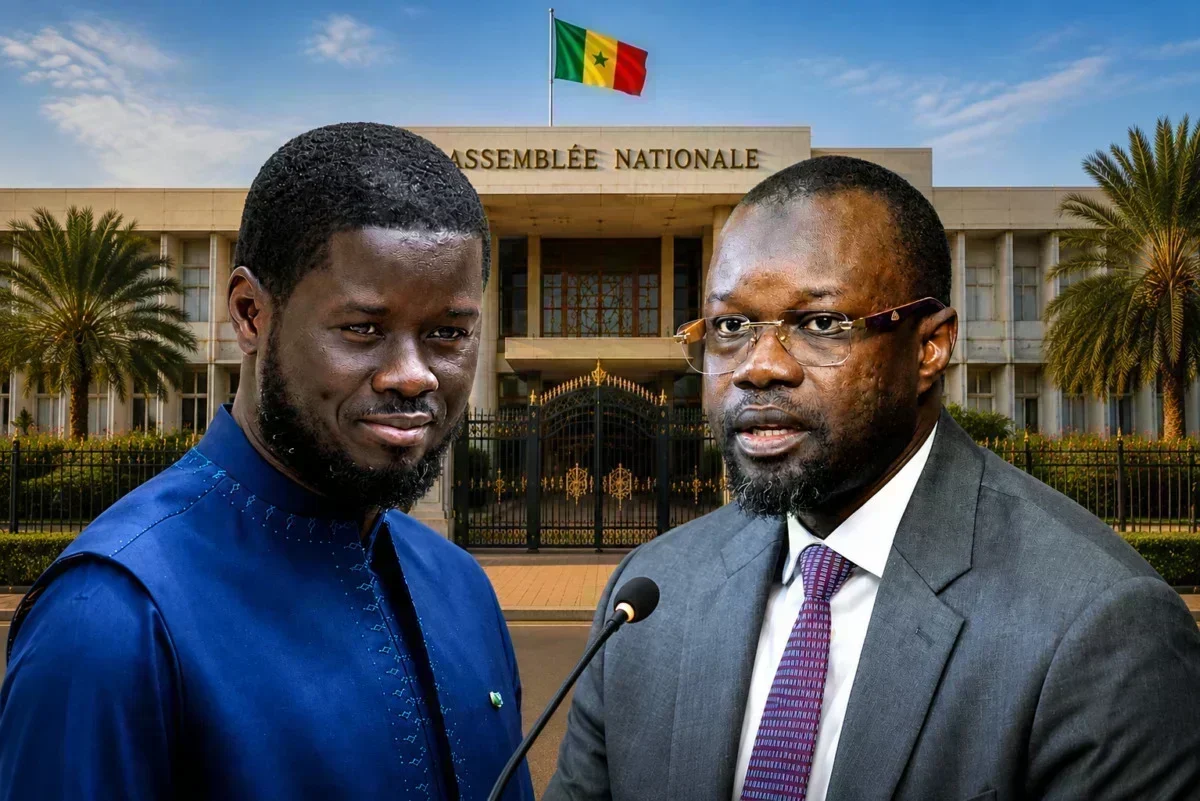
The refusal that rattles Senegal’s political landscape
Demba Dieng, former Director of the Land Registry and current presidential advisor, declined a summons issued by the parliamentary land inquiry commission on October 15 — a move that has intensified questions over the executive’s stance toward legislative oversight.
The case stands in contrast to two former DSCOS military officials who cited their military status to justify non-compliance. Political observers suggest that when a presidential associate is summoned, formal authorization from the head of state may be required before they appear. This interpretation, though widely discussed, has never been officially confirmed, and no statement has been issued by the presidency.
Is this a coordinated strategy or solo defiance?
The absence of a clear explanation from Demba Dieng — whether personal or instructed — raises concerns. If this constitutes an order, it could potentially extend to other members of the presidential inner circle, including ministers. However, no evidence has been presented to confirm this possibility, leaving it an open question.
Former Higher Education Minister Daouda Ngom broke ranks, announcing he will comply with the summons and claiming at least six incumbent or former ministers have refused to appear. This claim has not been verified by the commission or the individuals involved, and no names have been disclosed. The commission has neither confirmed these refusals nor provided further details.
What happens next? A parliamentary probe at a crossroads
Several critical details remain unclear: the reason cited by Demba Dieng for her refusal has not been made public. The total number and nature of refusals are not confirmed. The commission has stated only that it will continue its investigations in accordance with its mandate. Under Senegalese law, individuals are presumed innocent until proven otherwise, and a refusal to testify does not imply guilt. The coming days will reveal whether the refusal pattern spreads — and how the National Assembly responds.