
The long-awaited government reshuffle in Cameroon has faced unexpected delays, largely due to a series of high-profile construction projects currently underway across the country. While officials remain tight-lipped, insiders reveal that these projects—some nearing completion—are consuming significant administrative attention and resources.
Unfinished infrastructure diverting focus from cabinet changes
Sources close to the presidency indicate that several infrastructure initiatives, including major road expansions and public facility upgrades, are now at critical stages. These projects, though vital for national development, have created logistical bottlenecks that are reshaping the government’s priorities.
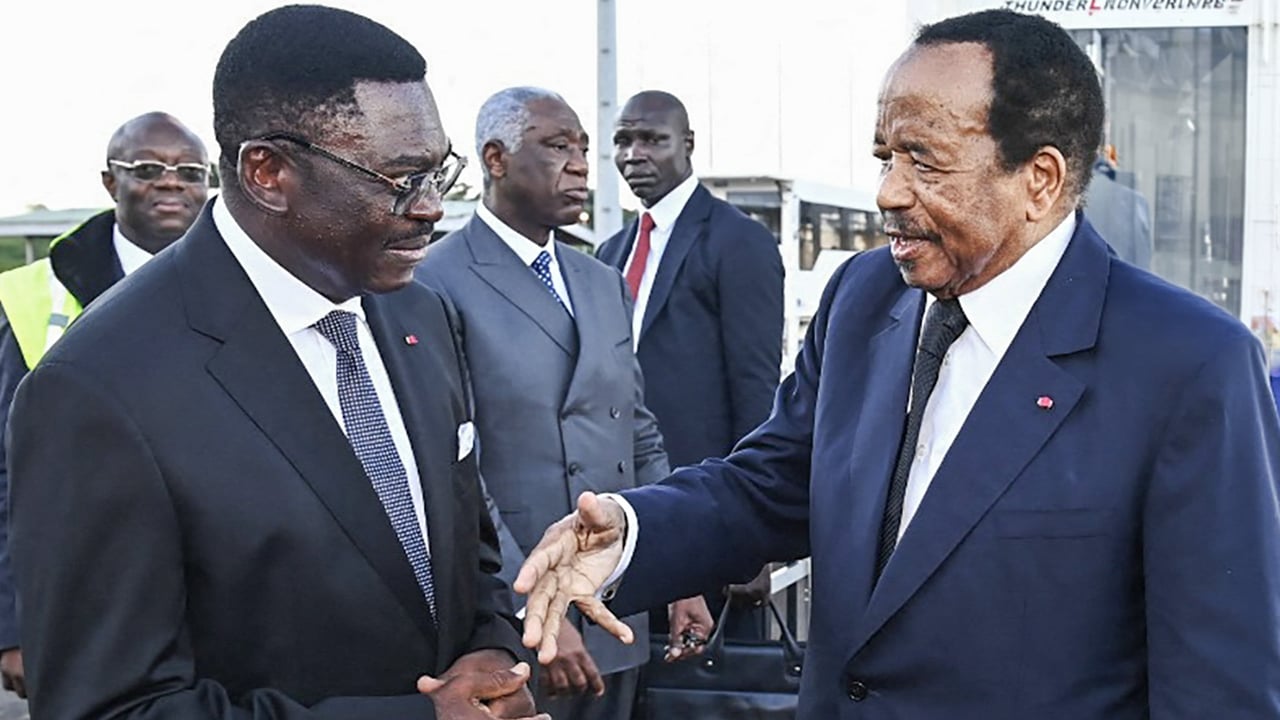
The most pressing of these involves the rehabilitation of key transportation corridors, which has required the deployment of top-level officials to oversee progress. Among them is Ferdinand Ngoh Ngoh, Secretary-General of the Presidency, who has been frequently spotted monitoring these sites alongside President Paul Biya.
Samuel Mvondo Ayolo, Director of the Civil Cabinet, has also been instrumental in coordinating these efforts, ensuring that the projects stay on track despite mounting pressures.
A delicate balancing act for Cameroon’s leadership
The government’s dilemma stems from the need to balance immediate developmental goals with long-term political restructuring. While the reshuffle was initially expected to take place months ago, officials now concede that it may be postponed until these construction milestones are achieved.
Analysts suggest that the delay could serve a strategic purpose, allowing the administration to demonstrate tangible progress to the public before announcing any cabinet changes. This approach could help maintain stability amid ongoing regional challenges.
What comes next for Cameroon’s government?
With the infrastructure projects nearing completion, the government is expected to shift its focus back to administrative reforms. However, the exact timeline remains uncertain, as officials continue to navigate the complexities of both development and governance.
The coming weeks will be critical in determining whether these hidden construction efforts will pave the way for smoother political transitions—or further delays in Cameroon’s government reshuffle.