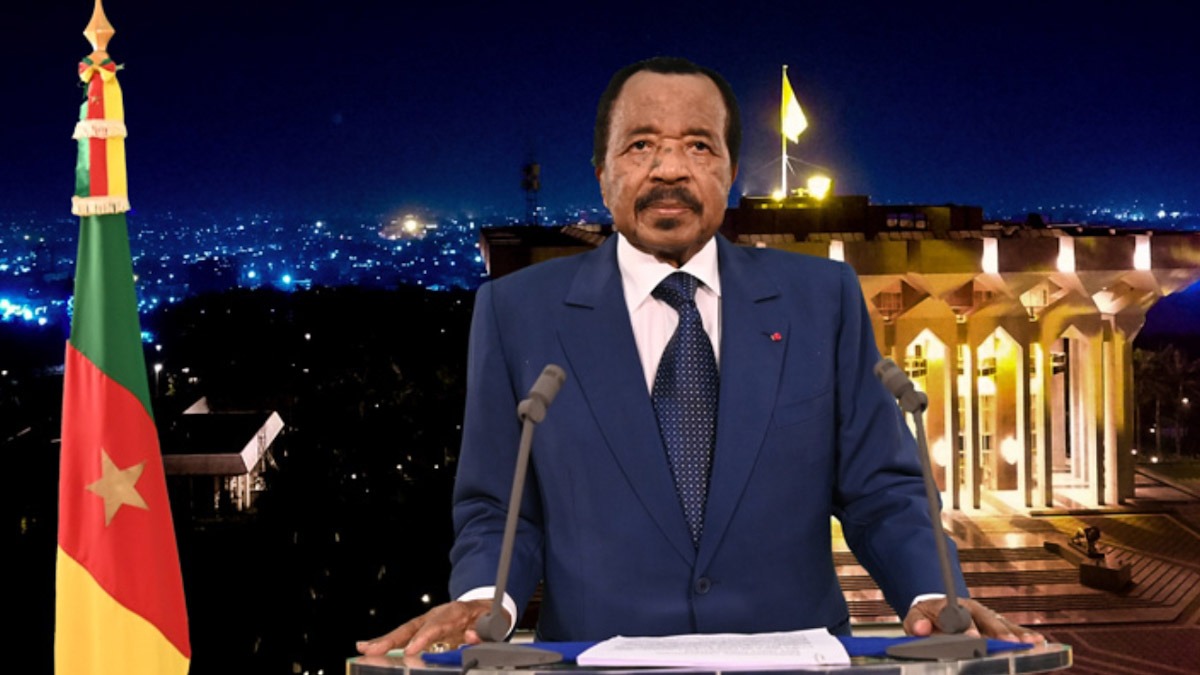
For over two months, Cameroon has been operating under an unprecedented leadership vacuum. Since Paul Biya left Yaoundé on June 7, 2026, for what was described as a private stay in Europe, the country has been grappling with a void at the highest level of governance. With no public appearances or confirmed return date, this prolonged absence is no longer just a political talking point—it’s reshaping the nation’s economic landscape and straining daily life for millions.
Economic paralysis: markets hesitate as institutions stall
Cameroon’s centralized power structure means the president’s signature is the lifeblood of national progress. His extended absence is triggering a domino effect across key sectors:
- Financial markets in distress: Cameroon’s dollar-denominated bonds are among the worst-performing in Africa, with investors citing deep uncertainty over succession and political stability. Rating agencies have flagged the lack of transparency as a red flag.
- Frozen development projects: Major infrastructure initiatives and public-private partnerships hinge on high-level approvals. Without decisive executive input, critical projects remain stalled, delaying budget allocations and disbursements.
- Administrative gridlock persists: Despite a 2026 constitutional reform introducing a vice-presidency to prevent leadership vacuums, the position remains vacant. A stalled ministerial reshuffle further entrenches bureaucratic paralysis.
Everyday hardship: inflation bites as frustration grows
The ripple effects extend far beyond boardrooms and policy papers. For ordinary Cameroonians, the consequences are immediate and painful:
- Soaring living costs: Essential goods and fuel prices continue climbing without responsive policy adjustments. Households are seeing their purchasing power shrink by the day.
- Public distrust deepens: The government’s silence has fueled speculation online, breeding resentment among the population—especially the youth. Social media buzzes with unchecked rumors, amplifying anxiety.
- Critical crises neglected: Key challenges like the Anglophone conflict, youth unemployment, and crumbling infrastructure lack the political momentum needed for meaningful solutions.
Beyond Biya: Cameroon’s structural vulnerabilities exposed
This leadership vacuum isn’t just a temporary glitch—it’s exposing deep flaws in Cameroon’s governance model. The concentration of power in a single figure, even temporarily absent, reveals how fragile the system becomes when that figure is unavailable. For the country to restore investor confidence and social stability, restoring clarity in leadership and operational normalcy is no longer optional—it’s urgent.