Cameroon’s legal system continues to grapple with the aftermath of the 2025 presidential election, as dozens of detainees remain entangled in an increasingly drawn-out judicial process. Once hailed as a pivotal moment for the nation, the election’s turbulent conclusion has left a lasting stain on the country’s commitment to justice and reconciliation.
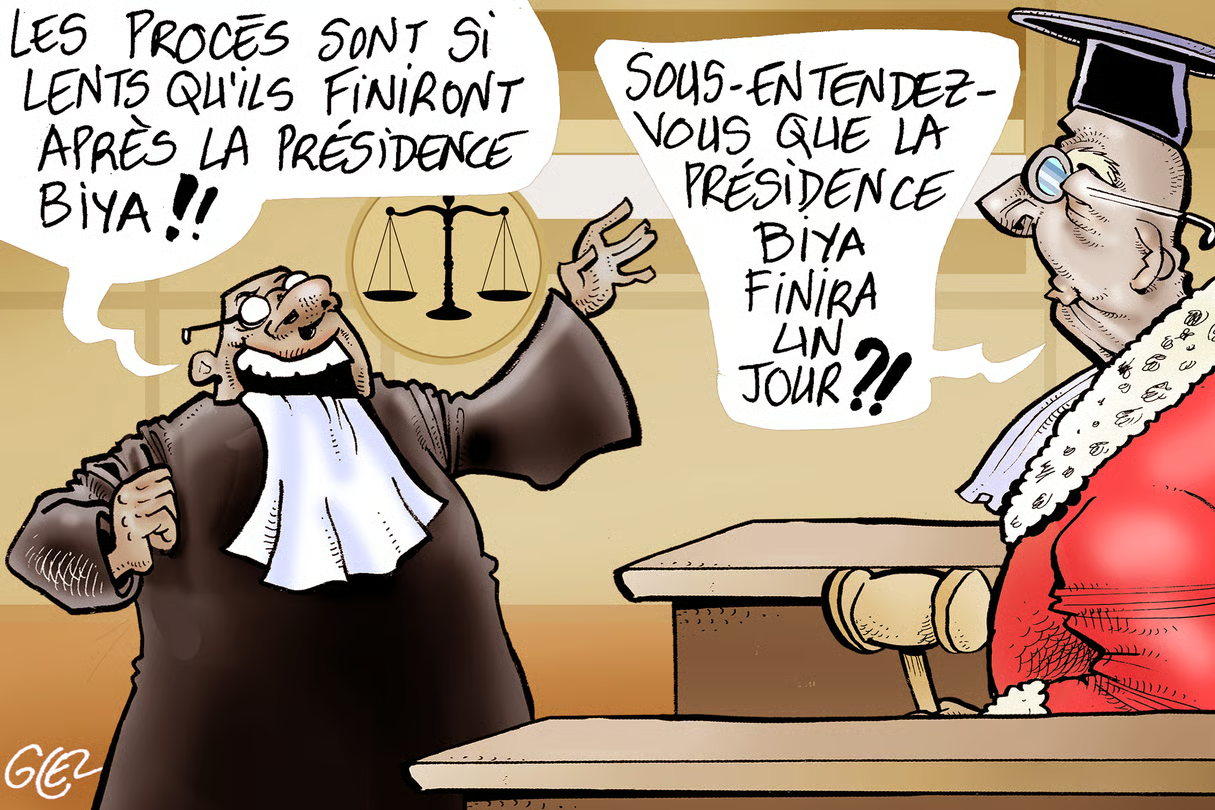
The prolonged trials have become a flashpoint for criticism, with observers questioning the efficiency and fairness of the proceedings. Defense attorneys argue that the delays undermine the fundamental right to a speedy trial, while prosecutors maintain that meticulous legal scrutiny is necessary to ensure due process.
Legal gridlock fuels public frustration
The backlog of cases has sparked widespread discontent among families of the accused and civil society groups. Many feel that justice delayed is justice denied, particularly as memories of the election-related violence remain fresh. The prolonged detentions have raised concerns about the psychological toll on those held without resolution.
Community leaders and activists have intensified calls for transparency, urging authorities to expedite hearings and provide clearer timelines for resolutions. The uncertainty has also cast a shadow over Cameroon’s international standing, with human rights organizations closely monitoring the situation.
Key challenges in the judicial process
- Bureaucratic bottlenecks: Cumbersome legal procedures and administrative hurdles have slowed progress, leaving defendants in legal limbo.
- Resource constraints: Overstretched courts and limited judicial personnel exacerbate delays, making it difficult to meet mounting caseloads.
- Political sensitivities: The high-profile nature of the cases has introduced additional layers of complexity, with some fearing that external pressures may influence proceedings.
What’s next for Cameroon’s post-election detainees?
As the judicial marathon stretches on, the question of accountability looms large. Will the prolonged trials deliver justice, or will the delays erode public trust in Cameroon’s legal institutions? The coming months will be critical in determining whether the nation can reconcile its fractured post-election landscape.
The families of the detainees, along with advocacy groups, continue to demand swift action. Meanwhile, legal experts warn that without tangible progress, the risk of further unrest may grow—a stark reminder of the fragile balance between justice and stability in Cameroon’s evolving political climate.