Behind the scenes: a quiet diplomatic push in Congo’s turmoil
In the Democratic Republic of the Congo, a deepening political and security crisis is unfolding. The east is gripped by the resurgence of the M23 rebel movement, while in Kinshasa, the government faces accusations of suppressing political freedoms and advancing controversial constitutional reforms. This delicate moment calls for a nuanced approach to dialogue and stability.
Cross-border efforts to foster dialogue
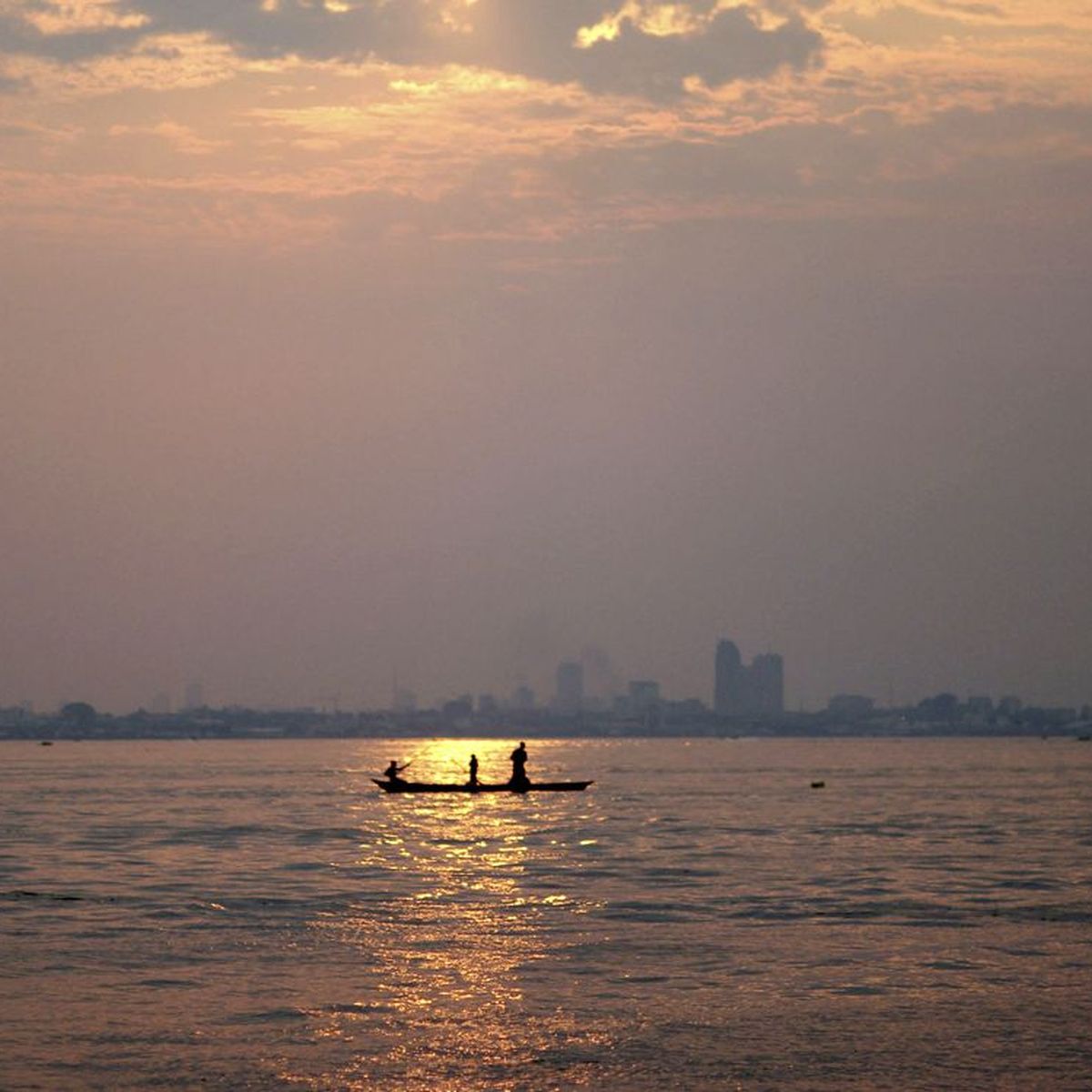
The situation has prompted subtle but significant diplomatic engagement across the Congo River. President Denis Sassou-Nguesso of the Republic of the Congo has quietly reached out to both Congolese President Félix Tshisekedi and influential religious leaders within the DRC. Tshisekedi himself traveled to Brazzaville on July 3 for what were framed as bilateral discussions, though regional observers suspect broader intentions.
Shortly after, Sassou-Nguesso met with Cardinal Fridolin Ambongo and other Catholic figures to discuss the crisis in Congo. While the specifics of these meetings remain undisclosed, their timing coincided with a pivotal development: Tshisekedi’s announcement on July 17 of plans to convene a nationwide inclusive dialogue. Cardinal Ambongo publicly acknowledged Sassou-Nguesso and Burundian President Évariste Ndayishimiye for their roles in facilitating these talks, hinting at the influence of regional diplomacy.
The involvement of religious institutions, particularly the Catholic Church and the Church of Christ in Congo, adds moral weight to the process. Their participation offers a counterbalance to purely political negotiations, fostering broader trust among Congo’s diverse factions.
Key unresolved questions and competing visions
Yet significant obstacles remain. Opposition parties and civil society groups are demanding the release of political prisoners, safeguards for free speech and assembly, and assurances of fair electoral competition. There are also questions about whether figures linked to former President Joseph Kabila or the M23 rebellion should be included in discussions—a point the government has firmly rejected.
From Kinshasa’s perspective, the M23 crisis is a security issue tied to external support, particularly from Rwanda. The government insists any dialogue must prioritize national unity, uphold the Constitution, and preserve the integrity of elected institutions. This stance reflects deep skepticism toward integrating former adversaries into the political process.
Meanwhile, the presidential decree outlining the dialogue’s framework will be critical. It will determine who participates, how agendas are set, and whether religious leaders retain procedural independence—especially regarding contentious issues like constitutional reform.Can Congo achieve stability through dialogue?
A comprehensive political settlement remains unlikely in the short term. Instead, the immediate goal is to ease tensions, strengthen civic freedoms, and rebuild trust between rival factions. Success hinges on whether the process is perceived as credible, inclusive, and free from undue government control.
For international partners, particularly the United States, Congo’s stability is vital. Washington has invested in regional peace efforts, critical mineral initiatives, and the Lobito corridor—all of which depend on a government capable of maintaining internal legitimacy while honoring long-term commitments.
The U.S. role, observers suggest, should be one of support—not leadership. By encouraging peaceful political participation, transparent constitutional processes, and fair treatment of detainees, Washington can help ensure the dialogue serves Congo’s long-term stability rather than becoming a tool of external influence.
The path forward: credibility and inclusivity
Ultimately, the success of Congo’s dialogue will depend not on grand declarations but on whether its people—political leaders, civil society, religious institutions, and ordinary citizens—view it as a genuine step toward reconciliation. In a country as pivotal to Africa’s future as Congo, the stakes could not be higher.