Since 2019, cross-border commerce between northern Nigeria and Cameroon’s Far North has come back to life. As security along the corridor improves, truckers are moving again and customs receipts are climbing — but can this fragile revival survive the mounting climate pressures bearing down on the region?
From our correspondent, back from Maroua,
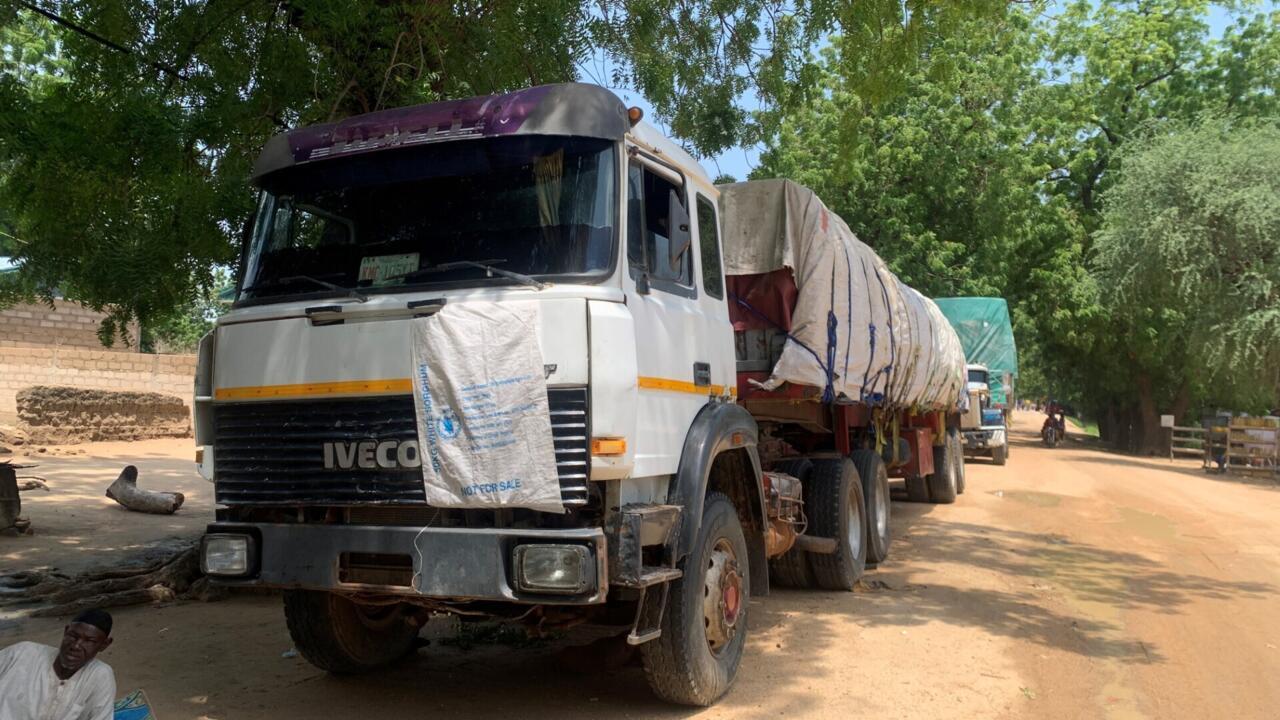
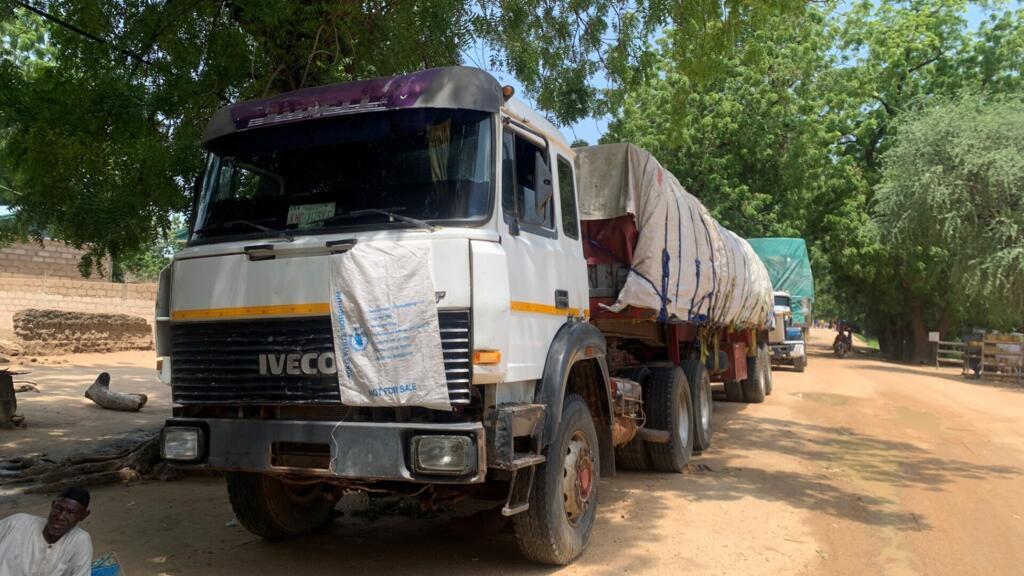
A line of heavy trucks from Nigeria sits idling on both sides of the sandy track that links Africa’s economic giant to Cameroon. In the past, such convoys were sometimes targeted by Boko Haram. The situation has improved, according to Aboubacar Mahamed, a Nigerian driver hauling sacks of millet toward N’Djamena, Chad. “From Nigeria, from Kano through Maiduguri, from Maiduguri to Banki to enter Kourgui, we had no problem at all. There’s security from Kourgui to Amchidé and to Yagoua — no problem on the road.”
Even with the corridor now secured, Aboubacar Mahamed says it is wiser to travel at certain hours. “The Cameroonian soldiers of the Rapid Intervention Battalion are making a big effort, but for us, if the truck breaks down between 6 p.m. and 7 p.m., it’s better to spend the night in the village or in the bush,” he explains. “Then around 6 a.m. the next day you can set off. It’s better to start moving from 6 a.m. and park around 5 p.m.”
Why this route became a lifeline for local communities
To reach Kourgui, these truckers pass through Limani, the main customs office on the Cameroonian side. It was shut down in 2014 because of Boko Haram’s violence, then reopened seven years ago.
Célestin Delanga, a specialist on security issues in the Lake Chad basin at the Institute for Security Studies, stresses how much the resumption of trade between the two countries matters. “Cameroon exports food crops and livestock to Nigeria, and imports fuel, textiles, electronics and spare parts, among other things,” the researcher lists. “This helps ensure economic security. Improved traffic, combined with a stronger security presence along cross-border trade routes, is helping to reinvigorate commercial exchanges.”
People long battered by Boko Haram’s abuses are also reaping the benefits of this uptick in economic activity. For Célestin Delanga, cross-border trade now plays an essential role in a region facing new climate-related hardships. “Two years ago, floods destroyed crops and livelihoods; this year it’s drought that is paralysing the rainy season — so cross-border trade is a kind of lifeline,” he says.
The improvement in trade is pushing customs revenue ambitions to 741 billion CFA francs for the first nine months of 2026. In 2023, that figure stood at just one billion CFA francs.