Chad: understanding the deliberate void behind communal conflicts
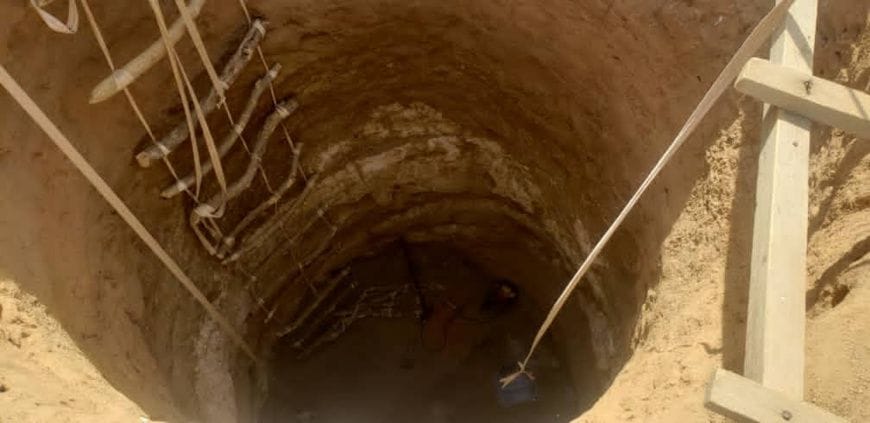
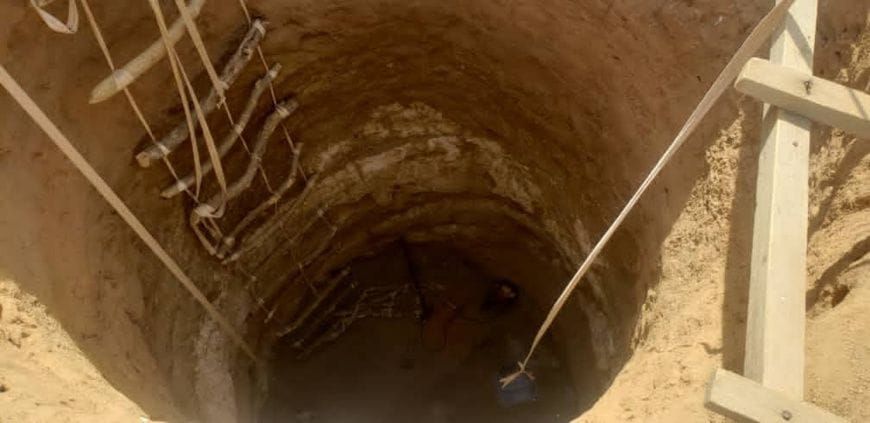
In the 21st century, fatalities over access to a well are neither a divine decree nor an ancient custom; they are a direct consequence of a deliberately perpetuated institutional vacuum.
For 36 years, the pattern has remained unchanged. While the settings may shift and new leaders emerge from one generation to the next, the daily bloodshed consistently reflects a singular truth: systemic failure. In this context, inter-communal disputes are not resolved; instead, they are orchestrated spectacles. There’s a clear preference for the roar of aircraft engines and the dusty convoys that envelop villages, obscuring the truth from victims, over the impartial efficiency of an independent judiciary. This reveals a meticulously organized institutional breakdown.
The spectacle of official visits, the tragedy on the ground
When disagreements arise over a critical resource like a water well or grazing land, the state’s reaction is invariably a carefully staged performance. We witness high-level delegations, elaborate mediation efforts, and paternalistic pronouncements. Yet, what remains after the dust settles from the 4×4 convoys? Virtually nothing. This is where the core issue lies. Such displays come at a significant cost. The funds allocated for a single presidential tour or a showy pacification mission could easily finance the drilling of thousands of modern wells, transforming a scarce resource into a shared commodity. However, establishing sustainable infrastructure would eliminate the pretext for leaders to repeatedly intervene as saviors. By deliberately weakening institutions, the need for a “savior” is perpetually maintained.
Fragmented institutions, a judiciary on a leash
In other nations, heads of state typically do not leave their palaces to intervene in neighborhood disputes, not out of indifference, but because their countries possess functional systems. In Chad, however, the political apparatus has systematically debilitated the justice system. A robust and independent judiciary poses a direct threat to those who govern through arbitrary means. By preventing courts from impartially resolving conflicts, the state effectively compels citizens to resort to self-justice. To perish over a water well in the 21st century is neither a fated outcome nor an ancient custom; it is the direct consequence of a deliberately sustained institutional void. The political leadership’s failure here is absolute, as it consistently prioritizes crisis management over the development of a prosperous and cohesive nation.