A recent assessment of women’s economic empowerment across Africa reveals a varied landscape of progress, with some nations making significant strides while Chad continues to face considerable hurdles in achieving gender equality in economic domains.
Chad currently holds the 36th position out of 54 African economies, scoring 51.40 out of a possible 100 points. This places the nation just behind Burundi, which scored 52.68 points at 35th, and ahead of both Botswana and Nigeria, tied at 37th with 51.10 points. Consequently, Chad finds itself in the lower half of the continental rankings, trailing behind many leading countries.
Mauritius distinguishes itself at the top of the list, achieving an impressive 82.30 points. Togo has made a remarkable ascent, securing the second spot with 79.33 points, closely followed by Côte d’Ivoire in third place with 78.25 points. Zambia and South Africa also demonstrate strong performances. These successes are largely attributed to proactive legislative reforms targeting areas such as mobility, employment, marital rights, and entrepreneurial opportunities for women.
With its score of 51.40 points, Chad remains below both the average African and global benchmarks, which hover around 67 points out of 100. Nevertheless, there has been a notable improvement in the realm of security, spurred by the implementation of legislation designed to combat sexual harassment in public spaces.
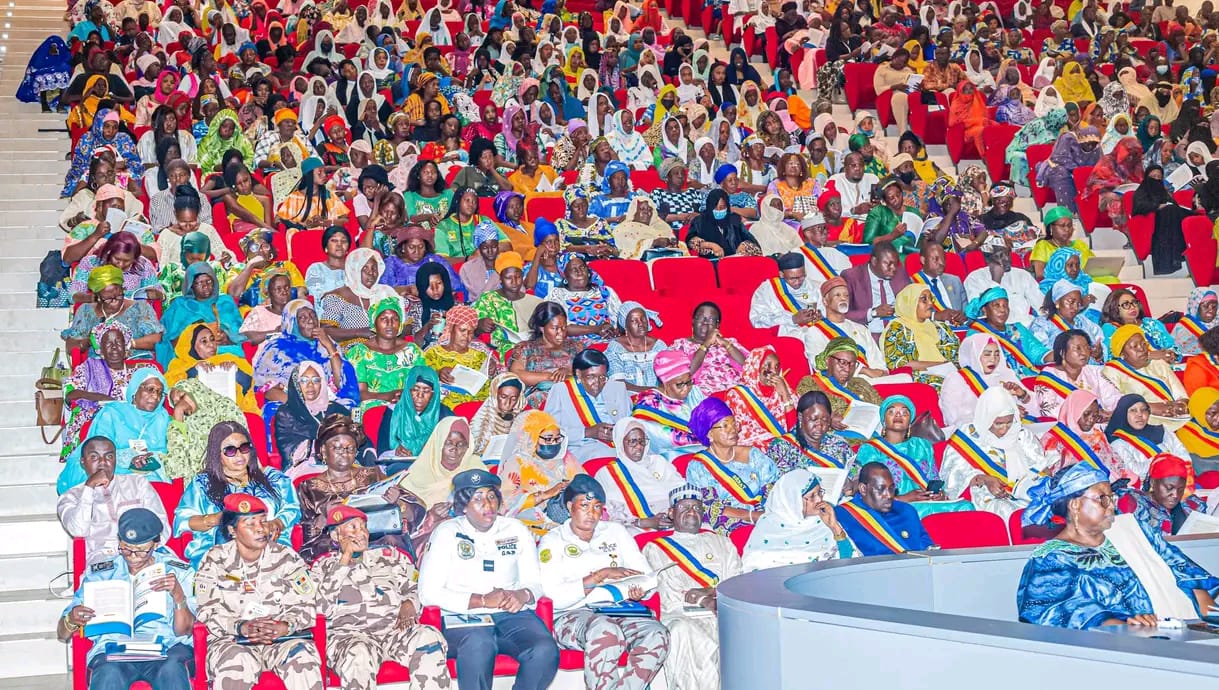
Despite this progress, numerous deficiencies persist. Critical areas requiring attention include equitable access to credit, robust protection against discrimination in the workplace, comprehensive parental rights, and the recognition of women’s property and inheritance rights. These ongoing challenges significantly impede the economic participation of Chadian women, who constitute the majority of the active workforce, particularly within the agricultural and informal sectors.
The continent-wide analysis also highlights a persistent gap between the enactment of laws and their effective implementation. Globally, only half of all laws intended to promote equality are truly put into practice.
For Chad, this ranking serves as both a diagnostic tool and a clear call to action. Strategic reforms focused on strengthening property rights, enhancing access to financial resources, and bolstering protections against violence could substantially improve the lives of women and foster more inclusive economic growth for the nation.