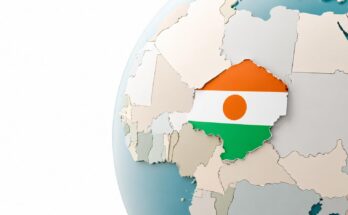
Niger’s farmlands reveal hidden costs of geopolitical choices
The Nigerien countryside tells a complex story. While the nation boldly asserts its sovereignty—rejecting long-standing Western partnerships and reclaiming national control—its agricultural backbone remains dangerously tied to an unexpected actor: Russia. Behind the bold headlines of political emancipation, a quieter dependency unfolds, one that could undermine both the economy and the soil itself.
Fertilizer flows mirror the tug-of-war over power
Over 80% of Niger’s workforce depends on farming, yet the Sahel’s fragile soils—naturally low in essential nutrients like nitrogen and phosphorus—demand constant intervention. Millet, sorghum, and rice yields now hinge on imported synthetic fertilizers, especially urea and NPK blends, many of which arrive through Russian channels. This reliance creates a paradox: the same nation striving for full political autonomy now risks trading political influence for chemical servitude.
The implications are immediate and far-reaching. Any disruption in global supply chains, shifts in Russian export priorities, or price surges sends ripples straight to Niger’s dinner tables. Families who once relied on local knowledge now find their food security beholden to distant geopolitical decisions.
Consider the risks:
- Logistical leverage: A sudden shortage of Russian-sourced urea could paralyze planting seasons, sparking food inflation and social unrest.
- False sovereignty: Claiming independence while outsourcing soil fertility to a single foreign power creates a fragile foundation that cannot endure long-term.
A silent threat beneath the fields: soil degradation
Beyond politics lies an ecological crisis. Heavy use of synthetic nitrogen fertilizers—especially urea—acidifies Niger’s marl-sand soils, stripping them of life. Microbial diversity declines, structure weakens, and crops demand ever-increasing doses just to keep pace. This creates a vicious cycle: more chemicals, more expense, more damage. The land, once resilient, becomes a prisoner of imported inputs.
The financial toll is steep. Public budgets strain to fund fertilizer subsidies, while smallholder farmers face shrinking margins. What began as a quest for food sufficiency now risks deepening rural poverty.
Pathways to true agricultural independence
Niger is not without options. It holds untapped resources and traditional wisdom capable of reshaping its agricultural future:
- Local phosphate reserves: Deposits in Tahoua, when crushed and blended with organic matter, offer a sustainable mineral amendment entirely sourced within Niger’s borders.
- Agropastoral innovation: Integrating livestock manure, composting, and age-old soil conservation techniques like Zaï pits and half-moon trenches restores soil health without relying on volatile global markets.
- Regional cooperation: Neighboring nations like Nigeria produce urea from natural gas, offering a shorter, more stable supply chain that reduces exposure to distant geopolitical storms.
Real sovereignty is not declared in speeches or military alliances alone. It is built in the soil, measured in harvests, and tasted in every meal. The path forward demands bold choices: investing in local science, restoring ecological balance, and forging partnerships that empower farmers—not enslave them.