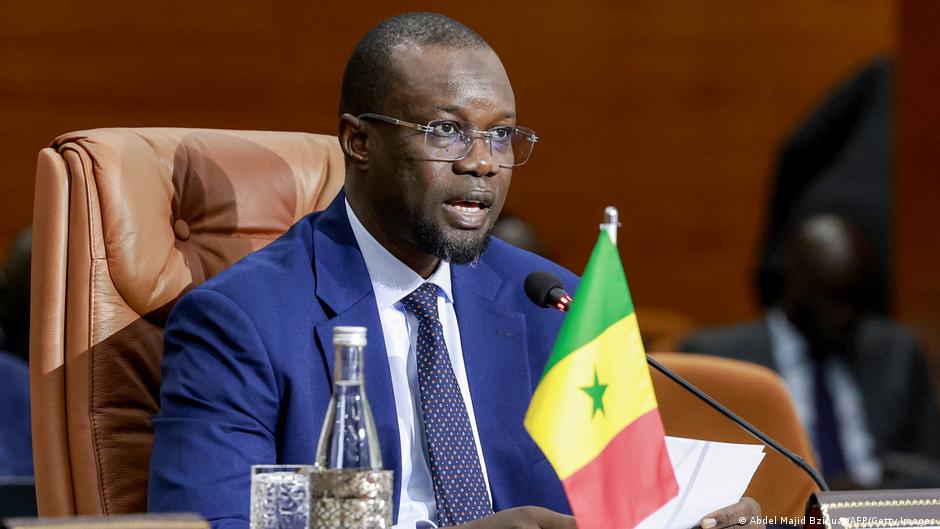
In Senegal, voicing criticism against Ousmane Sonko has become a high-stakes endeavor. The radicalization of his supporters on social media has created an environment where dissent is often met with intimidation and backlash, silencing many who might otherwise engage in open political debate.

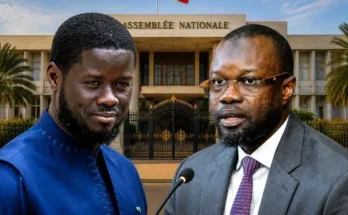
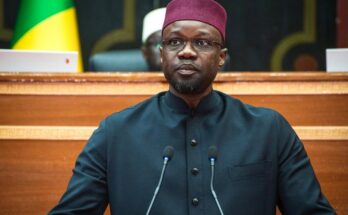
The political rivalry between Bassirou Diomaye Faye, Senegal’s President, and Ousmane Sonko, the newly elected Speaker of the National Assembly, has further strained the nation’s democratic discourse. Civil society leaders and journalists have expressed growing concerns over the climate of fear that now permeates the country. Those who dare to challenge Ousmane Sonko often face aggressive smear campaigns on social media, orchestrated by fervent members of his ruling Pastef party.
This climate of intimidation has led to widespread self-censorship, as individuals fear both digital and physical repercussions for their views.
Hostile rhetoric against the media and judiciary
Ousmane Sonko’s remarks shortly after assuming office as Prime Minister in early April 2024 sent shockwaves through Senegal’s media landscape. He issued a stark warning:
“We will no longer tolerate media outlets publishing whatever they wish about individuals under the guise of press freedom, without verifiable evidence.”
His comments underscored a broader pattern of dismissing judicial independence. In November 2025, during a public meeting, Sonko accused certain magistrates of obstructing financial investigations, perpetuating what he described as the corrupt “system” he has long opposed. These remarks sparked outrage within the judiciary, deepening tensions between the executive and the courts.
Erosion of women’s rights amid political stagnation
The political landscape has also taken a toll on women’s rights in Senegal. Activists point to the stagnation—or outright regression—in key areas, despite long-standing laws intended to promote gender equality.
Ossama Monique Sagna, a prominent Senegalese feminist, highlights the lack of progress in implementing the 2010 gender parity law. “The current government has fewer women in ministerial positions than the final administration of former President Macky Sall,” she notes. “This represents a clear setback in women’s political representation.”
Under Macky Sall, the government included seven women ministers. In contrast, Ousmane Sonko’s administration, before its recent reshuffle, had only four—a mere 13% representation. This decline has drawn criticism and fueled public disappointment.
Sagna adds that structural reforms remain stalled. “The Family Code continues to include discriminatory provisions against women,” she says. “The Maputo Protocol on women’s rights, particularly reproductive rights and protections against gender-based violence, still awaits full implementation. Feminicide cases have surged in recent years, with little response from authorities.”
In 2025 alone, Senegal recorded approximately 18 feminicides, a grim reminder of the persistent challenges facing women’s safety and rights in the country.