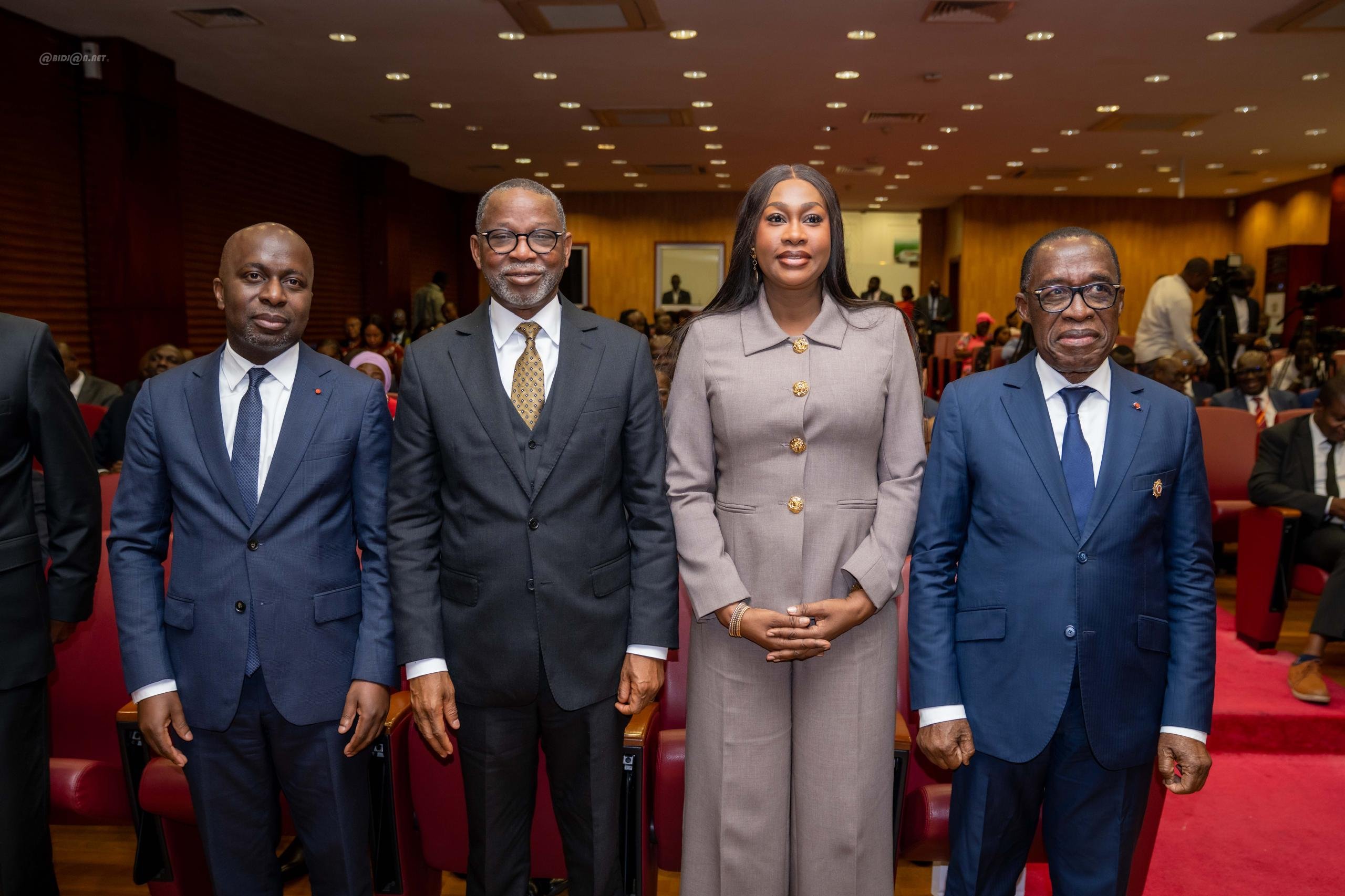
The National Agency for Vocational Training (AGEFOP), Côte d’Ivoire’s state-run vocational training engineering body, unveiled a groundbreaking skills-needs assessment report on June 18, 2026, in Abidjan. The study, conducted under the Passeport-Compétences national program, aims to realign youth competencies with actual labor market demands.
Pilot phase reveals critical insights into employment gaps
The pilot phase of this initiative, which surveyed over 800 formal and informal sector structures, was carried out in Sud-Comoé, Yopougon, and the Savanes District. These findings will soon inform a nationwide rollout of the program.
CESEC Chair highlights strategic shift in workforce development
Dr. Eugène Aka Aouélé, Chair of the Economic, Social, Environmental, and Cultural Council (CESEC), emphasized that this study marks a transition from speculative approaches to data-driven workforce planning. ‘This isn’t about chasing utopian ideals—it’s about building a future where education and employment align seamlessly,’ he stated. He praised the initiative for prioritizing human capital as a cornerstone of Côte d’Ivoire’s development, calling the report ‘a precise diagnostic of our professional vitality and a compass for future public training policies.’
Dr. Aouélé also underscored the program’s potential to address one of the nation’s most pressing challenges: ‘The Passeport-Compétences program doesn’t just train—it certifies experience. For CESEC, this represents a monumental leap in human capital valuation. The insights from this study will shape our strategies for bridging the skills gap.’
Minister outlines transformative goals of the national program
Maître Adama Kamara, Côte d’Ivoire’s Minister of Employment, Social Protection, and Vocational Training, framed the initiative as an accelerator for economic growth, not a corrective measure. ‘This program isn’t about fixing failure—it’s about amplifying success,’ he said. ‘We’re mapping national skills needs, training and placing workers, validating informal sector experience, and equipping businesses with qualified talent.’
The Minister outlined actionable steps, including curriculum adjustments based on employer feedback, redirecting training resources to high-demand sectors, and strengthening collaborations between businesses, local governments, and state agencies. ‘Our fieldwork will guide these decisions, ensuring our workforce evolves in lockstep with market realities,’ he added.
AGEFOP Director champions skills as economic catalysts
Karitia Coulibaly De Medeiros, AGEFOP’s Director-General, hailed the program as a paradigm shift in vocational training. ‘Training is no longer a secondary policy or a social expense—it’s a strategic investment for national competitiveness, job creation, and inclusive prosperity,’ she declared. ‘The Passeport-Compétences program redefines how we connect training, territories, and economies.’
She explained that the initiative is rooted in a fundamental truth: ‘Effective training requires precise knowledge of what businesses, regions, and industries truly need. That’s why we started on the ground—listening to employers, tracking industry trends, and anticipating future skill demands.’
By bridging the gap between local economies, training institutions, and job seekers, AGEFOP is fostering sustainable qualification and seamless integration into the workforce. ‘This program creates a shared language among businesses, local authorities, training providers, and policymakers. It transforms skills into a strategic asset for the nation,’ she noted.
The ultimate goal? ‘To empower every Ivoirian to convert their potential into recognized competencies—and turn those competencies into a passport to employment, economic independence, and dignity,’ De Medeiros concluded.
The Passeport-Compétences program, launched in March 2025 in Grand-Bassam, is a cornerstone of Côte d’Ivoire’s national human capital development strategy. It seeks to equip populations with market-relevant skills for sustainable professional integration.