Côte d’Ivoire: Ouattara’s vision for inclusive growth and rule of law
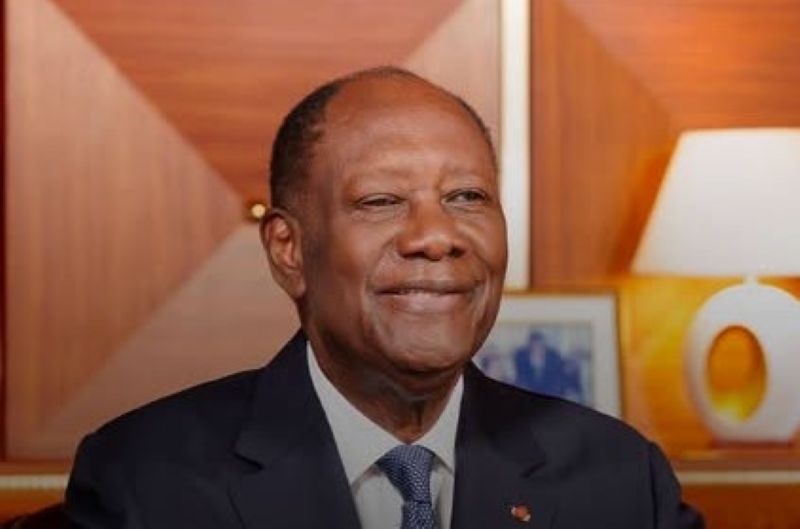
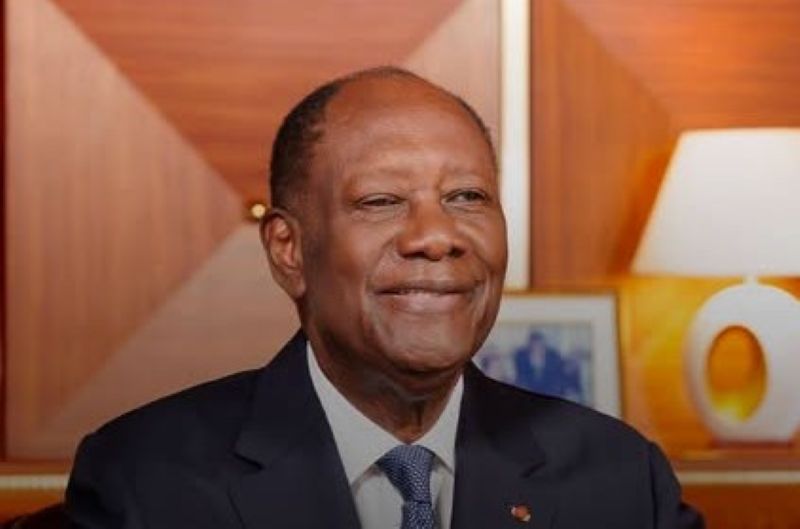
As Côte d’Ivoire marks its 66th year of independence, President Alassane Dramane Ouattara outlines a transformative vision for the nation’s future. His address to the nation transcends conventional economic or security narratives, instead emphasizing two pivotal priorities: accelerating national development while deepening the rule of law.
The vision of a « Great Côte d’Ivoire » raises a critical question: How can economic prosperity and political stability translate into tangible benefits for every citizen?
Building a « Great Côte d’Ivoire »: A collective endeavor
The Ivorian leader is rallying institutions, private sector leaders, political parties, civil society, traditional authorities, religious communities, and the diaspora to participate in this bold national project. The language is deliberate—this is not merely a government agenda but a unified call to action that unites all segments of society.
This ambition arrives at a pivotal moment. Côte d’Ivoire boasts a robust economic trajectory and continues to invest heavily in critical sectors: infrastructure, transportation, energy, and port capacity. The newly unveiled 2026-2030 National Development Plan serves as the blueprint for this next phase, aiming to propel the country to new heights of progress.
Yet, success cannot be measured solely by the skyline of Abidjan or the speed of new highways. True advancement lies in bridging regional disparities, empowering the youth, and ensuring sustainable improvements in living standards across the country. A « Great Côte d’Ivoire » must be more than an economic powerhouse—it must be a socially cohesive nation.
Progress with purpose: Balancing development and justice
The president’s televised address on Thursday underscored a crucial balance: accelerating urban renewal and disaster preparedness while upholding the integrity of the legal system. While Côte d’Ivoire advances its modernization efforts, particularly in high-risk zones vulnerable to flooding and natural disasters, Ouattara made it clear that no action can bypass the law.
Instances of administrative overreach—such as unauthorized removals of residents in neighborhoods like Koumassi—have been met with immediate scrutiny. The President has instructed thorough investigations to hold accountable those responsible, reaffirming that development must never create zones of legal exception where citizens are displaced without due process.
This stance reinforces a fundamental principle: A modernizing state must remain a state of law. It can build, secure, and innovate—but always within the framework of the rules it sets for itself.
The ultimate test: Consistency in governance
Côte d’Ivoire today faces a challenge beyond economic growth: proving that a thriving regional economy can simultaneously fortify its infrastructure, safeguard its people, and sustain public trust in its institutions.
The true significance of Ouattara’s address lies in its dual message. The call for national unity is only meaningful if every segment of society feels included in the nation’s progress. Similarly, the rule of law is only credible if the state itself adheres to the laws it enacts.
The president is charting a path that is conceptually clear but politically demanding: build faster, secure smarter, modernize stronger—but never lose sight of the people for whom this transformation is intended.
A « Great Côte d’Ivoire » will not be defined by its skyscrapers or GDP alone. Its legacy will be measured by how well it aligns public power, justice, and inclusion. That coherence—not slogans—will determine whether this next chapter in Côte d’Ivoire’s history represents a true leap forward.