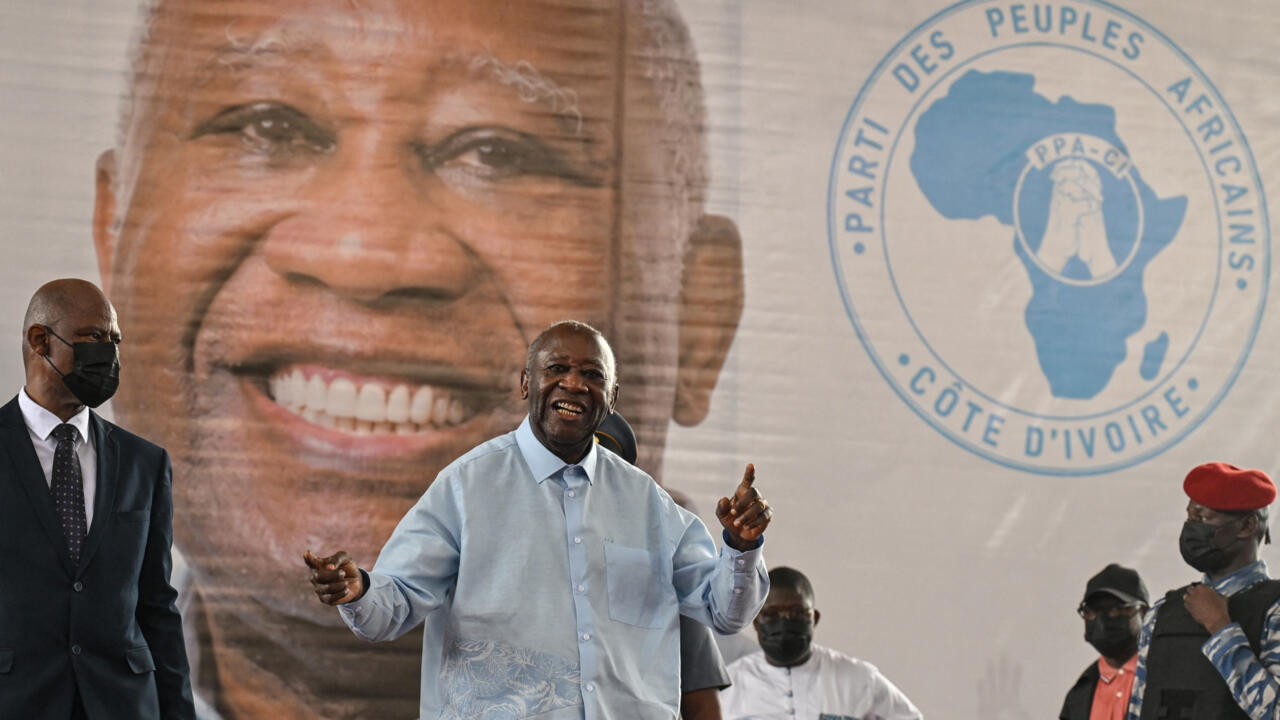
In Côte d’Ivoire, a significant restructuring is underway at the helm of the Parti populaire africain de Côte d’Ivoire (PPA-CI). Five prominent leaders have been entrusted with key responsibilities previously held by former president Laurent Gbagbo. What does this reorganization signal for the party’s future and the political landscape of the nation?
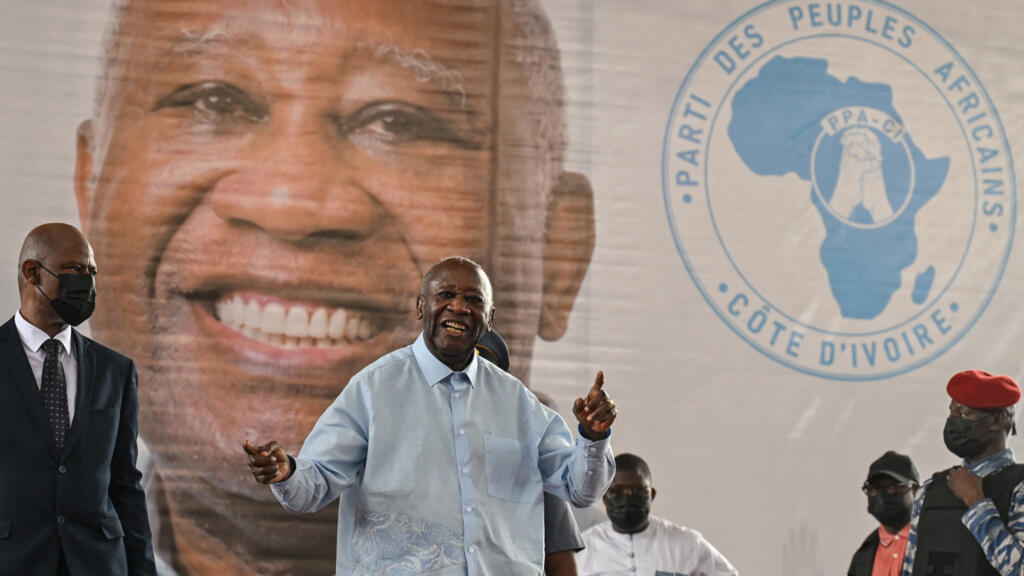
Restructuring the PPA-CI: a calculated move
Laurent Gbagbo, former president of Côte d’Ivoire and current leader of the PPA-CI, has delegated significant authority to five senior party officials. This strategic shift aims to redistribute influence within the party and prepare for a post-Gbagbo era. The move underscores a deliberate effort to ensure continuity while adapting to evolving political realities.
Key figures and their new roles
The five appointees, now wielding responsibilities once exclusively held by Gbagbo, represent a cross-section of the party’s leadership. Their new positions signal a transition toward collective leadership, potentially reshaping the party’s decision-making dynamics.
What this means for Côte d’Ivoire’s political future
This reorganization could have far-reaching implications for the PPA-CI’s trajectory and Côte d’Ivoire’s broader political landscape. Observers are closely analyzing whether this restructuring is a precursor to a leadership transition or a strategic consolidation of power. The party’s ability to maintain cohesion and relevance will be tested in the coming months.
Expert insights on the party’s evolution
Séverin Yao Kouamé, a sociologist and researcher at the University of Bouaké, offers critical perspectives on the PPA-CI’s transformation. As a leading voice in Ivorian political analysis, his observations shed light on the underlying motivations and potential outcomes of this leadership reshuffle.