Dakar hosts regional push to enhance polio data quality in Africa
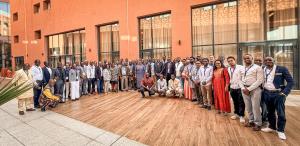
Dakar – Over 80 experts from 19 African nations have converged in Dakar this week, collaborating to elevate the quality, consistency, and practical application of polio surveillance data and outbreak response strategies. This crucial initiative aims to bolster disease detection capabilities, guide vaccination campaigns effectively, and ultimately safeguard children across the entire African Region from poliomyelitis.
This vital effort forms part of the Workshop on Data Quality Assessment and Polio Workstream Coordination, an event meticulously organized by the Polio Eradication Programme (PEP) of the World Health Organization’s Regional Office for Africa (WHO AFRO). The workshop is scheduled to run from June 8 to June 19, 2026.
Bringing together key representatives from national Ministries of Health, national polio reference laboratories, WHO country offices, and both the WHO Regional Office for Africa and WHO Headquarters, the workshop is designed to fortify the essential data systems that underpin polio surveillance, facilitate robust outbreak responses, and drive evidence-based decision-making throughout the African continent.
Participants are rigorously reviewing data quality across several critical areas within the polio program. These include surveillance for acute flaccid paralysis (AFP), environmental surveillance, laboratory surveillance, electronic surveillance, and supplementary immunization activities (SIAs). They are also meticulously analyzing core challenges impacting data quality, striving to pinpoint persistent obstacles and devise actionable solutions to ensure the consistent and timely transmission of dependable information.
The current phase incorporates a series of hands-on sessions, utilizing advanced digital tools and solutions developed by the regional team. This approach aims to foster the adoption of data-centric methodologies at every operational level. Discussions are also focusing on the practical use and ongoing maintenance of various digital platforms that support high-performing information systems, thereby guaranteeing swift data collection, analysis, reporting, and informed decision-making.
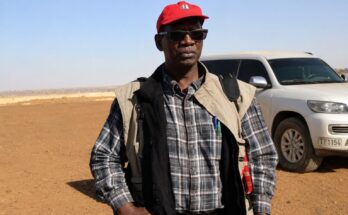
The workshop was officially inaugurated by Dr. Yao N’da Konan Michel, the WHO Representative in Senegal. In his opening remarks, Dr. Yao extended profound gratitude to the Government and Ministry of Health of Senegal for graciously hosting this significant gathering in Dakar. He also commended Senegal’s impressive track record in combating infectious diseases across the Region.
Dr. Yao underscored that while the WHO African Region achieved a historic milestone in 2020 by being certified free of indigenous wild poliovirus, the persistent threat posed by circulating variant polioviruses necessitates unwavering vigilance for polio eradication. He emphasized the paramount importance of high-quality surveillance, swift outbreak responses, effective vaccination campaigns, and the capacity to identify and close immunity gaps wherever they arise. At the core of these endeavors, he highlighted, lies a resilient digital ecosystem supported by robust data governance.
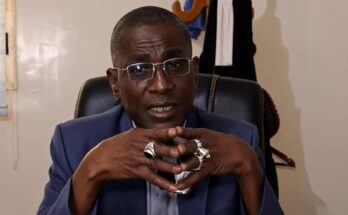
During his presentation outlining the workshop’s objectives and methodology following the opening ceremony, Mr. Kebba Touray, who leads the Data and Information Management Team for the Polio Eradication Programme, affirmed that this workshop reflects a shared dedication to preserving and building upon the program’s rich legacy in data management. This commitment aims to sustainably strengthen public health surveillance systems across Africa. He noted that this sophisticated system has been developed through the demonstrated commitment and leadership of WHO, several years of targeted funding from the Gates Foundation, and the technical assistance of other partners.
Mr. Touray urged participants to leverage these two weeks of intensive work to establish solid mechanisms for addressing key data quality deficiencies across all program workstreams. He cautioned that a lack of progress in this area would complicate the assessment of surveillance sensitivity, hinder the monitoring of SIA quality, impede the analysis of outbreak response performance, and make it difficult to target risk-based interventions. Such a situation, he warned, would ultimately jeopardize the significant strides made towards polio eradication in the Region.