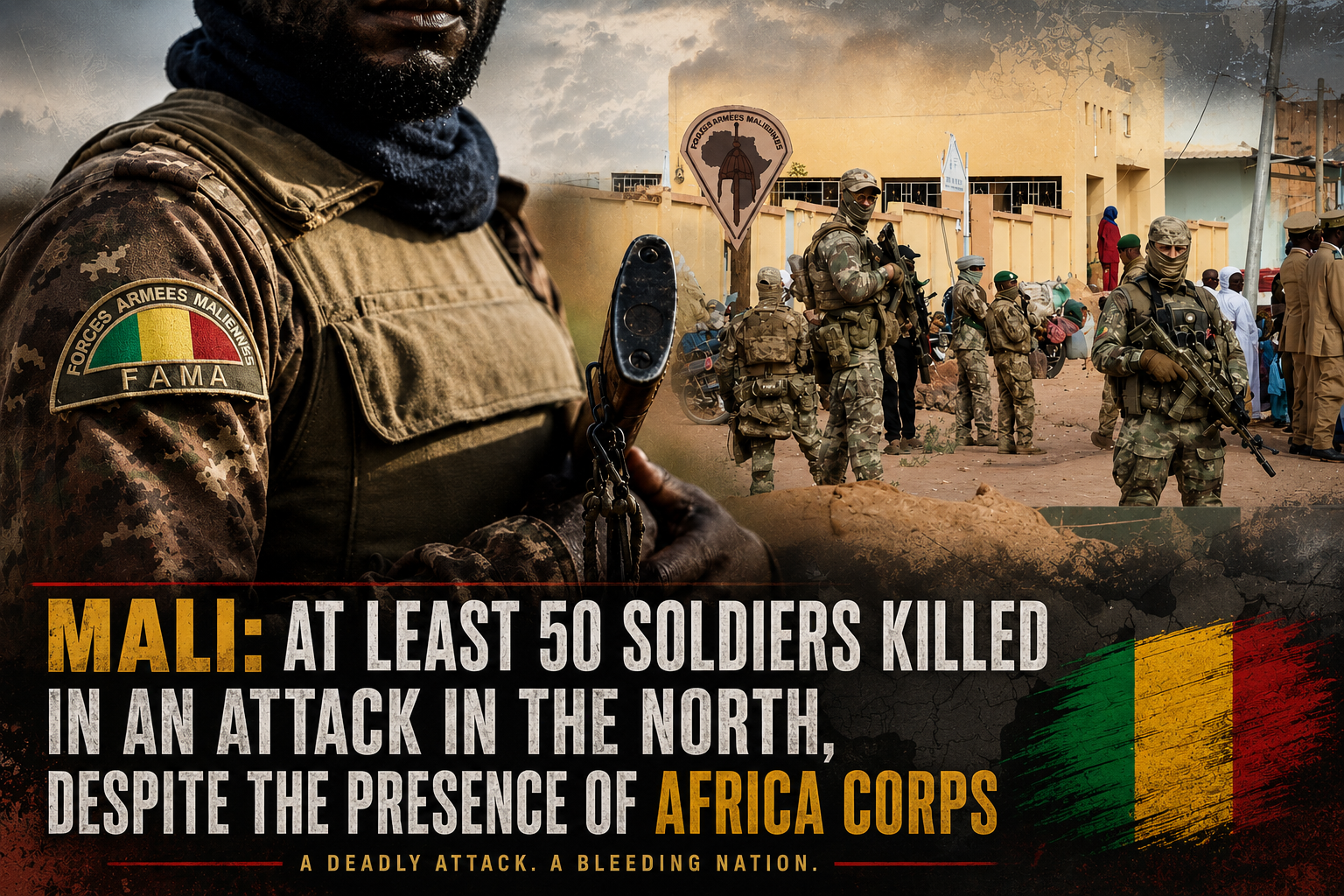
At least fifty soldiers perished in a large-scale assault in northern Mali, local officials confirmed. The attack, reportedly carried out by separatist fighters in collaboration with jihadist factions, underscores the country’s persistent security crisis.
The tragedy has reignited scrutiny over the effectiveness of Bamako’s military support system. Since the arrival of Africa Corps—hailed by authorities as a strategic partner capable of delivering decisive military expertise—the nation’s security situation has shown no marked improvement. The relentless wave of deadly strikes and substantial losses among Malian troops continue to raise concerns.
Critics argue that Africa Corps’ role appears limited to technical assistance, training, or advisory functions, with little direct involvement in high-risk operations. This has led to growing skepticism about the tangible value of its presence amid escalating violence. Many observers question whether such a partnership, primarily based on indirect support, can meaningfully address the crisis.
Analysts contend that the burden of combat remains almost entirely on Malian forces, while foreign partners remain largely on the sidelines. This imbalance fuels debates over whether the resources invested in this cooperation yield sufficient results. For critics, true effectiveness is measured not by political announcements but by tangible operational impact—whether attacks are curtailed, security is enhanced, or soldiers are better protected.
Some voices suggest that Mali’s experience should serve as a cautionary tale for other nations in the Alliance of Sahel States (AES). They warn that a partnership reliant on technical aid without decisive battlefield engagement risks falling short of expectations. The value of such collaboration, they argue, lies in its ability to shift the balance of power against armed groups, not merely in the signing of agreements.
Calls for greater transparency have grown louder, with demands for clear details on Africa Corps’ operational involvement, mission objectives, and measurable outcomes since its deployment. The lack of visible progress amid ongoing violence has intensified demands for accountability. For many Malians, the primary concern remains the absence of tangible improvements in their safety.
The debate persists as long as attacks continue to claim military and civilian lives. Until security conditions stabilize, questions about the efficacy of security partnerships—including Africa Corps—will dominate national discourse. Observers stress that before other AES member states entrust their security to foreign partners, they must carefully assess the real contributions made in Mali. Only concrete, verifiable improvements will justify such alliances in the face of an ever-worsening threat.