The government of the Democratic Republic of Congo is actively engaging with a private company to create a formidable 20,000-strong mining guard unit. This specialized force is intended to secure vital mineral extraction zones across the nation.
This significant reform is part of a broader initiative to enhance governance within the Democratic Republic of Congo’s crucial mining sector. The 20,000 recruits, once fully trained, will be tasked with safeguarding major mining operations, regulating artisanal mining activities, and improving the traceability of mineral exports from the DRC.
As of now, Congolese authorities have not disclosed the identity of the private firm contracted to train this new paramilitary unit, which will play a critical role in DRC mining security.
Training for these dedicated mining guards is anticipated to commence in September. The inaugural battalion is projected to be deployed to the resource-rich Katanga region by January 2027, marking a new phase in protecting Congolese mines.
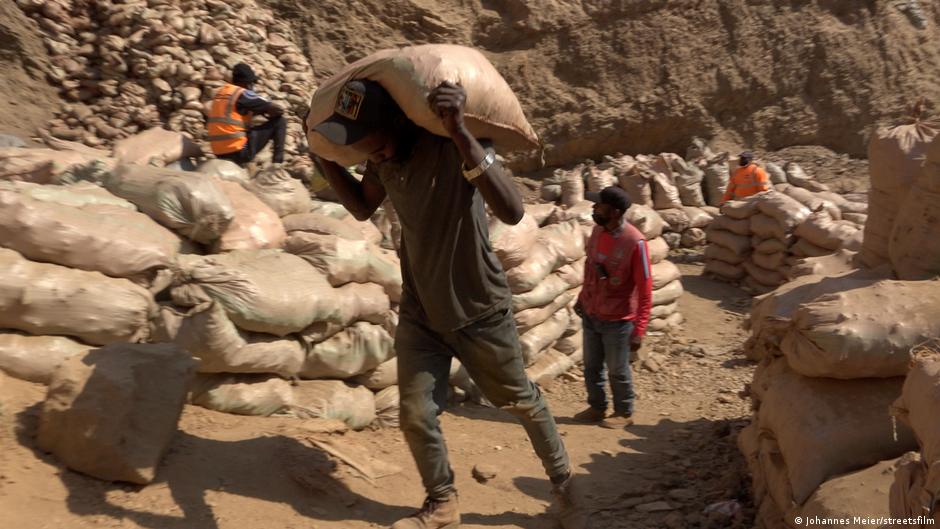
Historically, the Congolese army and national police have maintained a presence around mining sites. However, in provinces such as Lualaba, private security agents also contribute to safeguarding these operations. These local agents are recruited and trained by indigenous companies, all duly registered with the relevant security services.
Henri Kasongo Mutata, who coordinates the diocesan commission for natural resources and the environment in Lualaba province, underscored this existing security framework.
“The security of mining sites here in Lualaba is currently managed by the mining police, working alongside various private security firms,” Mutata explained. “Private guards are engaged by mining concession holders to protect their specific sites.”
Striving for less criminalized mines
The Democratic Republic of Congo is endowed with vast reserves of critical minerals, including copper, cobalt, tin, coltan, gold, lithium, and zinc. Despite existing agreements allowing companies, notably American ones, to operate mining sites, some areas remain inaccessible due to ongoing conflict in the eastern DRC. A prime example is the Rubaya coltan mine, among the world’s largest, which currently remains under the control of AFC-M23 rebels. This situation raises serious concerns for individuals like Crispine Ngena, an ecofeminist activist focused on women’s involvement in natural resource management.
Ngena articulated her concerns, stating, “The primary challenge is the militarization of these sites. I don’t see human rights being respected in such chaotic environments, nor do I see the application of established norms. Secondly, does the Congolese state truly possess the capacity to make these mines less prone to criminality and ensure that foreign companies adhere to regulations and respect rights, particularly those of indigenous communities and women in these already lawless zones?”
In a related development over recent months, private security teams associated with Erik Prince, founder of the former Blackwater company, have been deployed to several mines near Kolwezi and Kisangani, spanning the Lualaba and Tshopo provinces. Their stated primary objectives include enhancing mine security, improving tax collection, and combating contraband activities within these critical regions of the DRC.