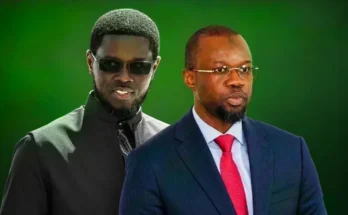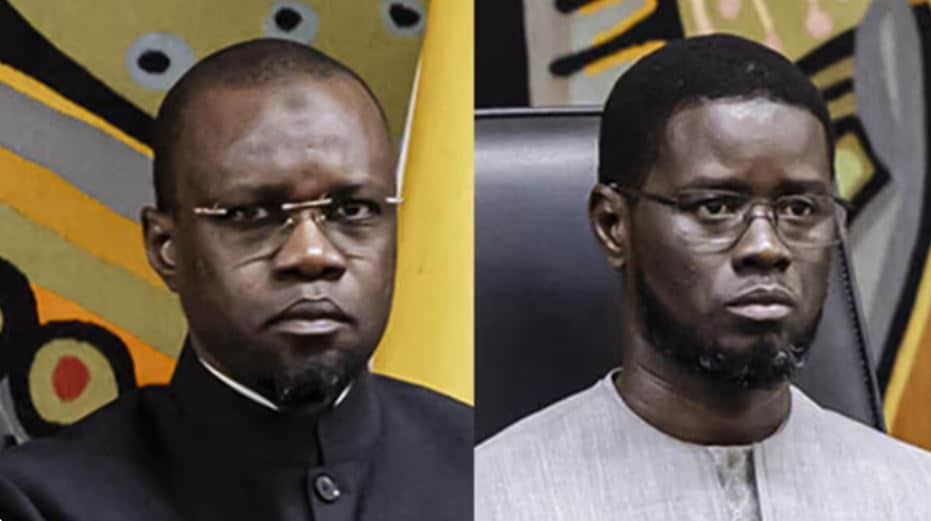
Significant political friction is emerging at the highest echelons of government in Sénégal, sparked by the ongoing revision of the nation’s Constitution. Following the National Assembly’s approval of the proposed legislation, Ousmane Sonko, who presides over the institution, publicly criticized President Bassirou Diomaye Faye. Sonko accused President Faye of attempting to modify provisions that he had vigorously championed during his time in opposition.
Addressing the deputies, Ousmane Sonko emphasized that this constitutional overhaul is the culmination of over a decade of intensive political deliberation. This extensive work was informed by the outcomes of national dialogues and the diligent efforts of numerous expert commissions. Sonko firmly asserted that such deeply rooted commitments cannot be overridden by the personal preferences of a single leader.
“The Constitution does not belong to Bassirou Diomaye Faye,” Sonko declared, openly condemning the head of state’s perceived intention to backtrack on specific provisions. These include the mandatory declaration of assets at the conclusion of a presidential term and the prohibition preventing the President from simultaneously leading a political party.
The President of the National Assembly insisted, “One cannot simply take a legal text, review it article by article, and then declare: ‘No, I no longer wish to declare my assets upon leaving office’; or ‘No, I want to be the leader of a political party’.”
According to Ousmane Sonko, this current approach represents a significant departure from the Pastef party’s historical principles and commitments, which date back to 2014. He further accused the head of state of initiating a process to “manipulate” the reform project, selectively retaining only those provisions that would personally benefit him.
“He started to discern what suited him, and what did not, as President of the Republic,” Sonko asserted. Despite these pointed criticisms, Ousmane Sonko urged Bassirou Diomaye Faye to officially promulgate the law that has been adopted by the deputies. In Sonko’s view, the qualified majority vote secured for the constitutional revision is sufficient for its validation, negating the need for a national referendum.
Concluding his address with a poignant question, Sonko mused aloud, “What has changed in our colleague and President?” He then expressed a fervent hope that the head of state would return to what Sonko views as the foundational principles of his political commitment and honor the pledges made to the Senegalese populace.