Diplomatic breakthrough: Kinshasa delivers urgent message to Luanda amid escalating regional tensions
- Politics
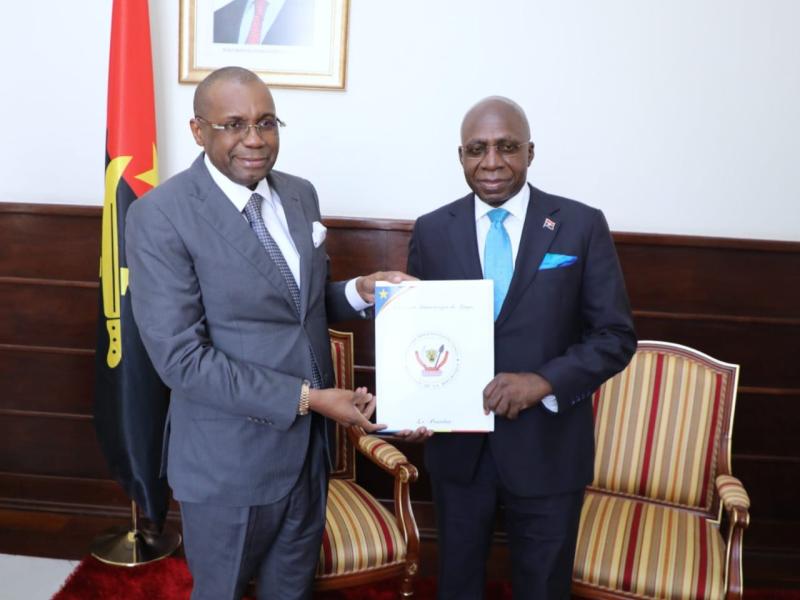
On Friday, July 10, 2026, the President of the Democratic Republic of Congo, Félix Tshisekedi, sent an official communication to his Angolan counterpart, João Lourenço. According to Angola’s Ministry of External Relations, the message was personally delivered by Congo’s itinerant ambassador, Antoine Ghonda Mangalibi, to Tete António, Angola’s Minister of External Relations.
The Angolan foreign ministry confirmed the transmission through its official social media channel, stating: “An official message from His Excellency Félix Antoine Tshisekedi Tshilombo, President of the Democratic Republic of Congo, to His Excellency João Manuel Gonçalves Lourenço, President of the Republic of Angola, was delivered this Friday afternoon in Luanda to His Excellency Tete António, Angola’s Minister of External Relations.”
While the contents of the message remain undisclosed, this diplomatic move unfolds against a backdrop of intensifying regional tensions. The M23 rebel group, backed by neighboring Rwanda, continues its military campaign in eastern DRC, controlling significant portions of North Kivu and South Kivu provinces. International mediation efforts in Washington and Doha have yet to yield tangible progress toward resolving the conflict.
The communication also arrives at a critical juncture in domestic Congolese politics, with public debate swirling around potential constitutional reforms—just two years before President Tshisekedi’s term concludes.
This diplomatic exchange follows a period of heightened regional engagement. Kinshasa and Luanda have maintained regular consultations on bilateral relations and broader peace and security challenges across the Great Lakes region. The initiative comes after extensive consultations led by Burundi’s President Évariste Ndayishimiye, current chair of the African Union, who engaged with religious leaders and opposition figures in the DRC.
Another significant diplomatic development occurred recently when President Tshisekedi traveled to Brazzaville for high-level discussions with his Congolese counterpart, Denis Sassou Nguesso. This meeting followed a state visit by President Ndayishimiye to Kinshasa, during which regional leaders explored pathways to stabilize the DRC’s political landscape.
In February of this year, a high-level meeting in Luanda assigned Angola the pivotal role of facilitating consultations with all Congolese stakeholders to prepare for an inter-Congolese dialogue. This decision was formalized in a communiqué from Angola’s presidency following a gathering that included President Lourenço (then AU chair), President Tshisekedi, Togo’s Prime Minister Faure Gnassingbé (designated AU mediator), and Olusegun Obasanjo (representing the African Union’s five former head of state facilitators).
Since then, Kinshasa and Luanda have maintained steady diplomatic contact through multiple exchanges of envoys. However, these efforts have yet to achieve the desired breakthrough. Reports indicate that the proposed inter-Congolese dialogue remains stalled due to persistent disagreements over its structure and the inclusion of key stakeholders.