The natural wealth of a nation should empower its people—not fuel its collapse. This principle guided the Democratic Republic of the Congo’s bold diplomatic offensive at the United Nations this week, where Kinshasa refused to accept the role of passive supplier in the global energy transition.
Kinshasa’s UN address: a call for fairer mineral governance
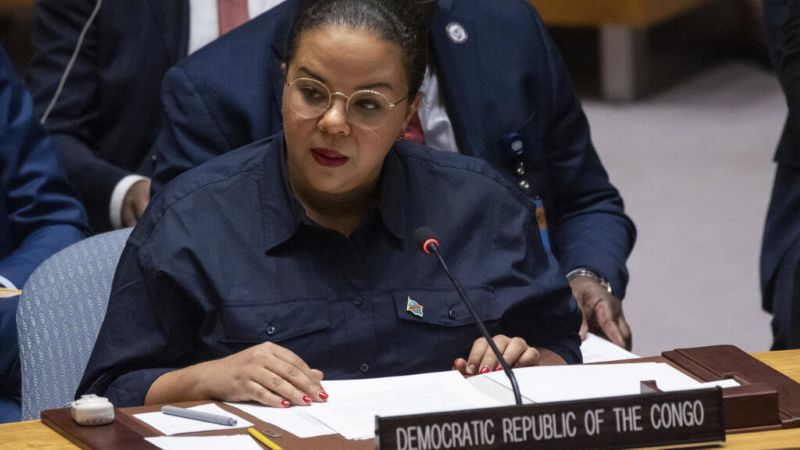
On July 14, 2026, Minister of State for Foreign Affairs, International Cooperation and La Francophonie Thérèse Kayikwamba Wagner delivered a sharp rebuke to the international community during the UN High-Level Meeting on Critical Minerals. Her message was clear: the world’s energy transition cannot be called “just” if producing nations continue to export raw materials while missing out on the wealth they generate.
“The question is no longer where minerals come from, but where the value they create actually stays,” she declared, urging immediate investment in infrastructure, energy, research, and technology within the DRC. Kayikwamba emphasized that transforming local industries—especially artisanal mining—is essential to turning mineral wealth into sustainable development.
A vision beyond raw exports: industrial transformation
The Congolese government is no longer content with being a mere exporter of critical minerals like cobalt, copper, and tantalum. Instead, Kinshasa is pushing for the DRC to become Africa’s leading industrial hub for processing these resources, which are vital for electric vehicle batteries, digital technologies, and renewable energy systems.
This transformation, the minister argued, requires a new global partnership based on technology transfer, capacity building, and equitable distribution of profits across the mineral supply chain.
Rwanda named in UN for alleged mineral smuggling
Beyond economic ambitions, the DRC used the UN platform to expose what it calls Rwanda’s direct involvement in the illicit exploitation of Congolese minerals. Citing findings from UN expert reports, Kayikwamba highlighted the case of Rubaya—home to nearly 15% of global tantalum supply—where, following the takeover by the M23 rebel group allegedly backed by Kigali, an estimated 1,400 tons of coltan were smuggled into Rwanda. This illegal trade reportedly generates $800,000 monthly for armed groups, yet Rwanda has avoided UN sanctions.
The DRC is demanding accountability not only for economic exploitation but also for the role such activities play in financing conflict and undermining regional stability.
Linking minerals, peace, and global security
As current president of the UN Security Council, the DRC is advocating for a stronger international framework that directly ties mineral governance to conflict prevention, peacebuilding, and sustainable development. Kinshasa insists that all actors in the supply chain—from miners and traders to financiers and industrial users—must be held accountable to ensure mineral traceability combats fraud and armed group financing without penalizing legitimate small-scale miners.
A diplomatic push with far-reaching implications
This UN intervention marks a turning point in the DRC’s mineral diplomacy. No longer limiting itself to defending its resources, Kinshasa is reshaping the global debate on critical minerals, demanding a fairer distribution of economic benefits and greater transparency in supply chains. By publicly accusing Rwanda and calling for sweeping reforms, the Congolese government is elevating the issue of mineral governance to the heart of international discussions on peace, security, and sustainable development.