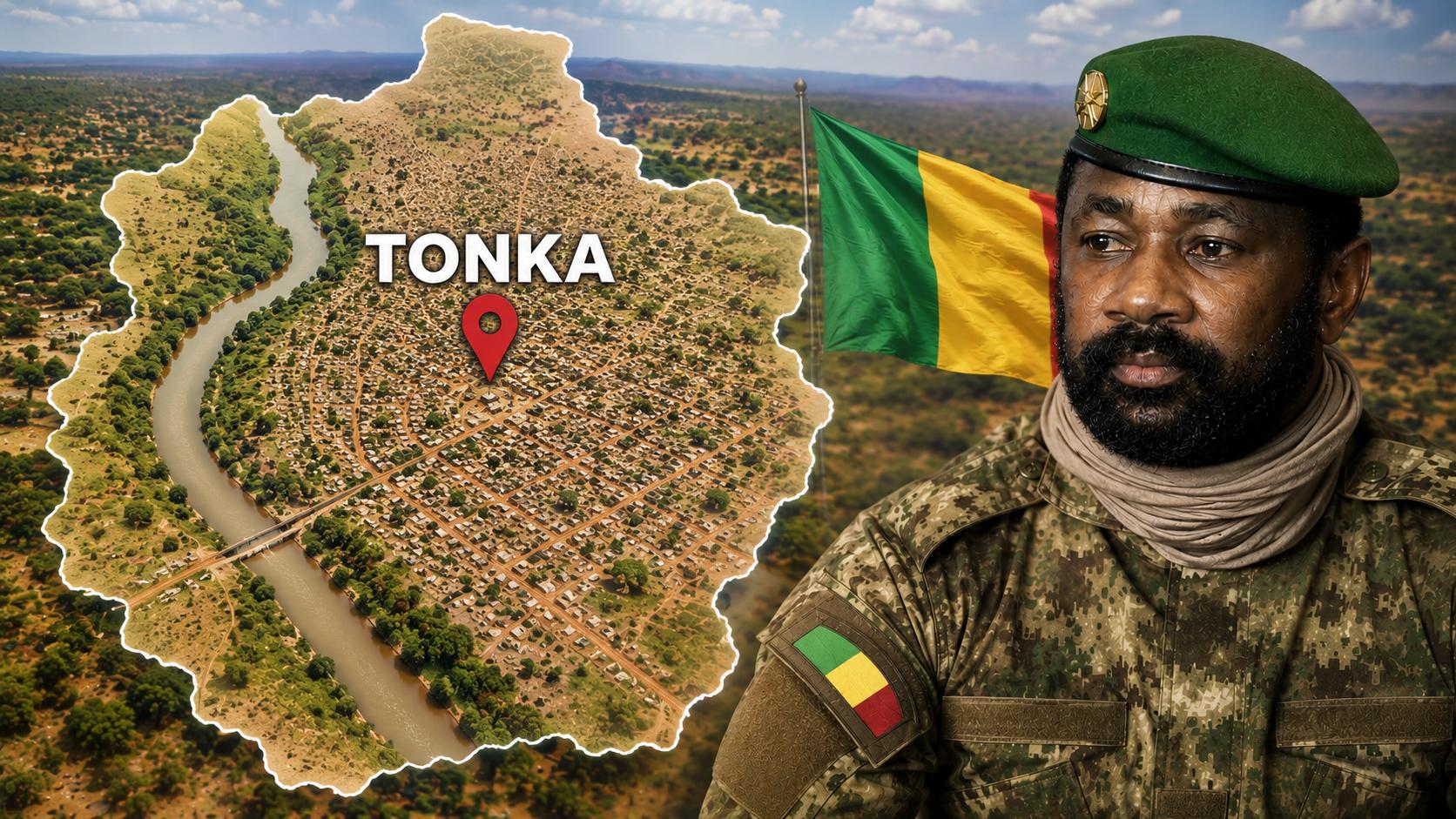
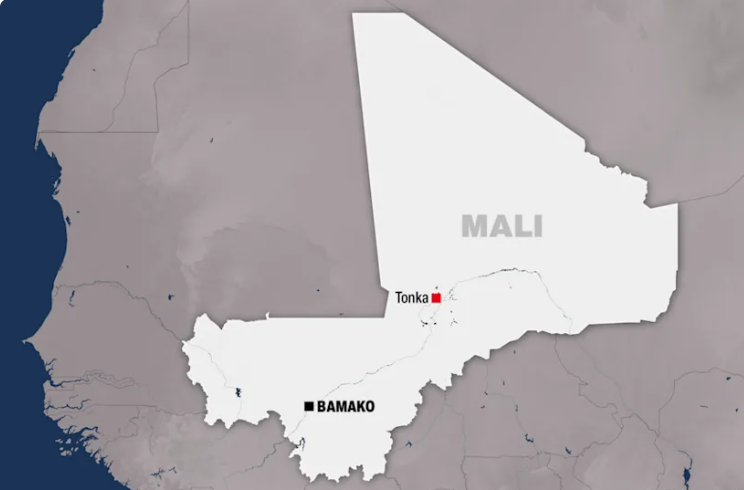
The recent surge in violence in Mali, once again attributed to the Group for the Support of Islam and Muslims (JNIM), has reignited debates over the nation’s security strategy. Armed assailants struck a rural community, leaving civilians dead and triggering fresh waves of displacement. Despite intensified military operations over recent months, armed factions continue to demonstrate their ability to launch attacks even in remote areas far from major urban centers.
This persistent insecurity highlights the challenges faced by Malian authorities in safeguarding the entire country. The latest assault underscores the broader threat posed by jihadist groups, whose reach now extends beyond traditional battlegrounds to target civilians, public figures, and symbols of state authority.
Assassination of a prominent influencer deepens concerns
The assassination of Malian blogger and social media influencer Mariam Cissé has sent shockwaves across the country. Though her outspoken support for the Malian Armed Forces drew widespread attention, it also made her a target. According to human rights organizations, she was abducted before being executed by jihadist fighters. This brazen killing serves as a stark reminder of the groups’ strategy to instill fear not only among security personnel but also among civilians and public voices who challenge their ideology.
The incident has intensified public scrutiny of the government’s security policies, particularly the heavy reliance on military solutions. While the junta has prioritized military capabilities—acquiring modern equipment, deepening security partnerships, and increasing field operations—repeated attacks and targeted assassinations raise questions about the limits of a purely military response.
Beyond weapons: addressing the roots of extremism
Analysts argue that defeating extremism requires more than firepower. Weak educational infrastructure, unequal access to schooling, youth unemployment, and limited economic opportunities are frequently cited as factors that drive recruitment into armed groups. Many experts advocate for stronger investments in early childhood education and accessible schooling as a long-term solution to reduce radicalization.
The Malian government faces a dual challenge: continuing to strengthen national defense while implementing policies that address the underlying grievances fueling instability. A balanced approach combining security, education, local development, and good governance could offer a more sustainable path forward.
Building resilience through education and opportunity
The unrelenting cycle of civilian massacres and targeted killings reveals a disturbing trend: jihadist violence is no longer confined to armed clashes but now extends to silencing dissenting voices. For observers, Mali’s long-term stability will depend not only on the military’s ability to contain armed groups but also on the state’s capacity to restore public trust, revive institutions, and provide young people with meaningful education, employment, and civic engagement opportunities.