
Ebola en RDC : Une nouvelle offensive sanitaire lancée pour prévenir toute dissémination nationale et internationale du virus
The government of the Democratic Republic of Congo (DRC) has announced a significant escalation of its Ebola virus response strategy. This proactive measure comes amidst heightened concerns following a recently confirmed case in France involving a humanitarian doctor who had been present in an epidemic zone within the DRC.
In an official communiqué released on Thursday, June 25, 2026, Congolese authorities described the situation as a “serious health alert signal.” They affirmed a commitment to preempt any potential transmission chains from crossing national borders. This initiative, they stated, aligns with a philosophy of maximum prevention, consistent with international health security recommendations.
Strict 21-Day Quarantine for Travelers from High-Risk Areas
A key component of the new measures targets the movement of individuals originating from areas affected by Ebola. Anyone who has spent time in an epidemic hotspot will now be required to observe a mandatory 21-day isolation period, which corresponds to the maximum incubation period of the virus.
This quarantine protocol applies to both internal travel within the DRC and international journeys. Health officials emphasized that this step aims to “sever all possibilities of silent propagation” and to enhance the monitoring of suspected cases, particularly those who may not immediately exhibit symptoms.
The Ministry of Health underscores that this strategy is founded on a reinforced precautionary approach, especially given how international mobility can accelerate the spread of highly infectious diseases.
French Doctor’s Case Triggers Heightened Vigilance
The decision to bolster the DR Congo Ebola prevention efforts was prompted by French health authorities confirming an Ebola case in a doctor who had recently worked in an affected region of the DRC. The patient was immediately isolated upon virus detection, and an epidemiological investigation was launched without delay.
Initial reports indicate that the doctor displayed no apparent symptoms during their journey from Ituri province to Kinshasa, prior to departing the country. This scenario raises critical questions regarding the challenges of detecting certain cases during the pre-symptomatic phase, even with existing control measures at entry points.
French authorities, for their part, have activated emergency protocols and initiated contact tracing, while assessing the risk level for the general population, which they currently deem “low but under surveillance.”
DRC–France Cooperation and Contact Tracing
In a move demonstrating transparency and international coordination, Kinshasa has formally engaged with French authorities to share travel data and medical information pertinent to the patient. This collaboration is vital for tracing all potential contacts within Congolese territory and strengthening the epidemiological follow-up chain.
This effort aligns with the International Health Regulations (IHR), which mandate cooperation among states in the face of cross-border health threats. The Congolese government stresses the imperative of rapid and structured information exchange to mitigate any risk of secondary transmission.
Reinforced National and Multisectoral Response
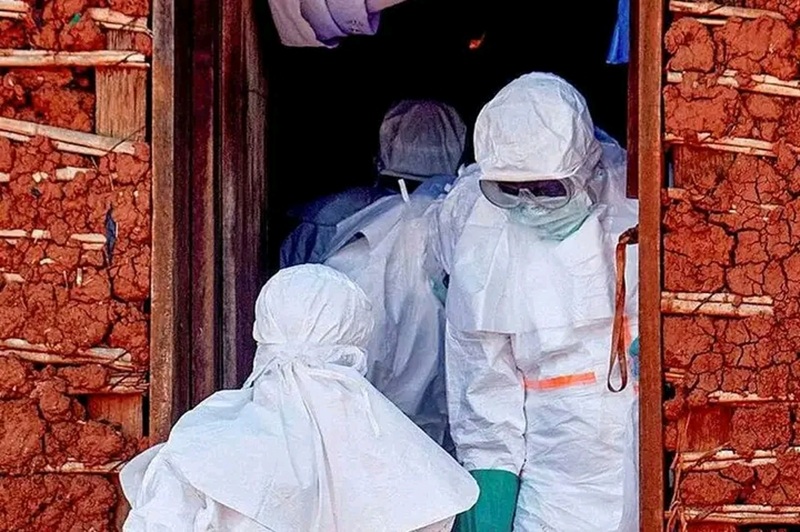
Domestically, health authorities report intensified response activities in affected areas, particularly in Ituri. Medical teams are actively engaged in strengthening community surveillance, managing suspected cases, and raising awareness among local populations.
Enhanced health control mechanisms are also being implemented at strategic transit points, including airports and major transport routes, to restrict unregulated movements. The government further appeals to community leaders, media, and civil society to play an active role in public awareness campaigns, focusing on disease symptoms and vital prevention measures.
Call for Vigilance and Global Coordination
Congolese authorities reiterate that effective Ebola control also hinges on public trust and the swift reporting of suspected cases. Citizens are urged to avoid stigmatizing those affected and to cooperate fully with health teams.
As the World Health Organization continues to closely monitor the evolving situation, the DRC affirms its commitment to maintaining maximum alert and its determination to contain any further spread of the epidemic. Kinshasa is banking on a combination of stringent measures, international collaboration, and community engagement to sustainably curb the threat and prevent any dissemination beyond its national borders.