east DRC faces dual threat of Ebola and hunger amid ongoing conflict
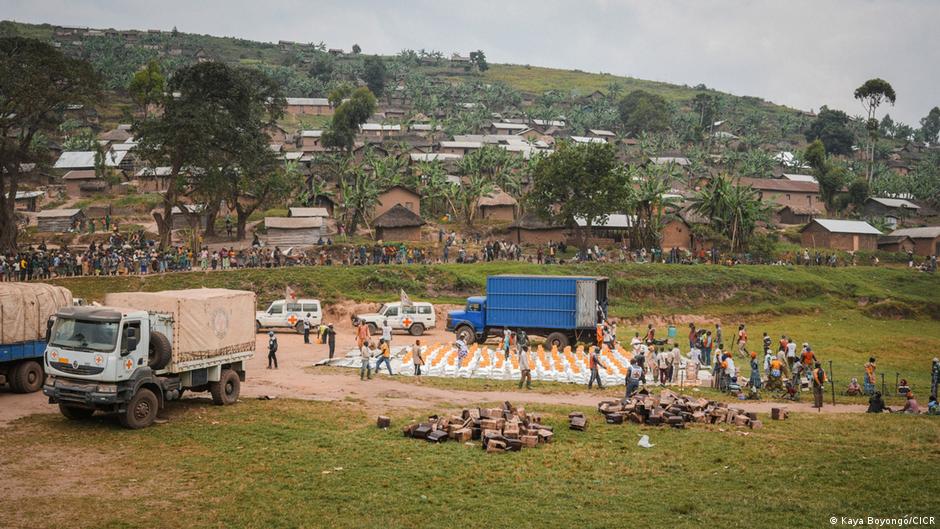
In eastern Democratic Republic of the Congo (DRC), families are caught between two crises. While the threat of Ebola lingers, armed violence and mass displacement have slashed access to farmland, markets, and incomes. As coping strategies collapse, millions now face deepening food insecurity. The International Committee of the Red Cross (ICRC) has resumed food and seed distributions, reaching over 80,000 people despite severe access constraints. The question remains: how can aid reach those forced to choose between disease and starvation?
Ebola compounds the crisis in a region already devastated by war
The Ebola outbreak strikes a region where communities have endured years of armed conflict and forced displacement. These ongoing crises have already shattered livelihoods and eroded resilience. With each wave of violence, families lose ground they had barely regained. Ebola now further weakens their ability to adapt, disrupting markets and restricting movement. The most vulnerable—those already struggling to survive—bear the heaviest burden of these overlapping emergencies.
Economic and agricultural fallout intensifies food insecurity
The combined impact on food security is severe. Insecurity has forced many families to abandon distant farmland, concentrating agricultural activity near safer villages. This overuse of limited land risks long-term soil depletion. Agricultural support services, essential for boosting yields, are barely functional due to conflict and restricted access to displaced communities. Households’ resilience is stretched to the limit. Border zones face even greater strain, as trade restrictions disrupt commerce that many communities rely on for food and income.
ICRC steps in with critical aid
The ICRC has restarted vital food and seed distributions, assisting more than 80,000 people despite the challenging environment. These interventions provide a lifeline to families caught between the terror of disease and the threat of starvation. Yet, the scale of need far exceeds current capacity. Without sustained support, the cycle of crisis—where hunger and disease reinforce each other—will deepen across eastern DRC.