Russian mercenaries’ official involvement deepens MPC divide in Central African Republic
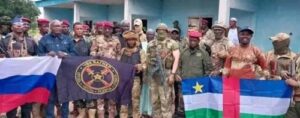
The political landscape in Central African Republic has taken a dramatic turn as Russian mercenaries officially join the conflict, directly influencing the operations of the Mouvement Patriotique pour la Centrafrique (MPC). This development has created new tensions, particularly around the leadership transition in Bossangoa between Didot Ali and his successor.
Russian mercenaries shift balance in MPC power struggle
While the MPC has long been a key player in the region’s security challenges, the official involvement of Russian military contractors marks a significant escalation. These mercenaries are now reportedly orchestrating key movements within the rebel group, including the transportation of Didot Ali and his successor to Bossangoa—a move that signals a major power shift.
Their presence is not just symbolic; it is actively reshaping the conflict dynamics, with reports indicating that the mercenaries are now directly overseeing strategic operations within the MPC. This development raises questions about the future of the rebel movement and its ability to maintain cohesion amid external influence.
Bossangoa at the center of new power struggles
The city of Bossangoa has become a flashpoint in this evolving crisis. The arrival of Didot Ali and his successor, under the watch of Russian mercenaries, suggests that control over the region is being contested. Local sources indicate that the mercenaries are enforcing new alliances and potentially sidelining traditional MPC factions in favor of a more centralized command structure.
This shift could have far-reaching consequences for the MPC’s operations and its relationship with other armed groups in the region. The mercenaries’ involvement may also intensify security concerns, as their tactics and objectives remain unclear to many observers.
What’s next for the MPC and Central African Republic?
The official entry of Russian mercenaries into the MPC conflict raises critical questions about the future of the rebel group and the broader security situation in Central African Republic. Will this lead to a more unified command structure, or will it deepen divisions within the movement? And how will other regional actors respond to this new foreign influence?
The answers to these questions will shape the trajectory of the conflict in the coming months, with Bossangoa and the MPC at the heart of the unfolding drama.