Buried deep within the dense 219-page National Human Development Report (RNDH) 2026 lies a stark statistic: over 77% of residents in Gabon’s southernmost province, Nyanga, live below the poverty line. This revelation, tucked away without context or emphasis, sharply contradicts the nation’s image as a high-development African leader, consistently ranked among the continent’s top performers.
Poverty data clashes with Gabon’s official development narrative
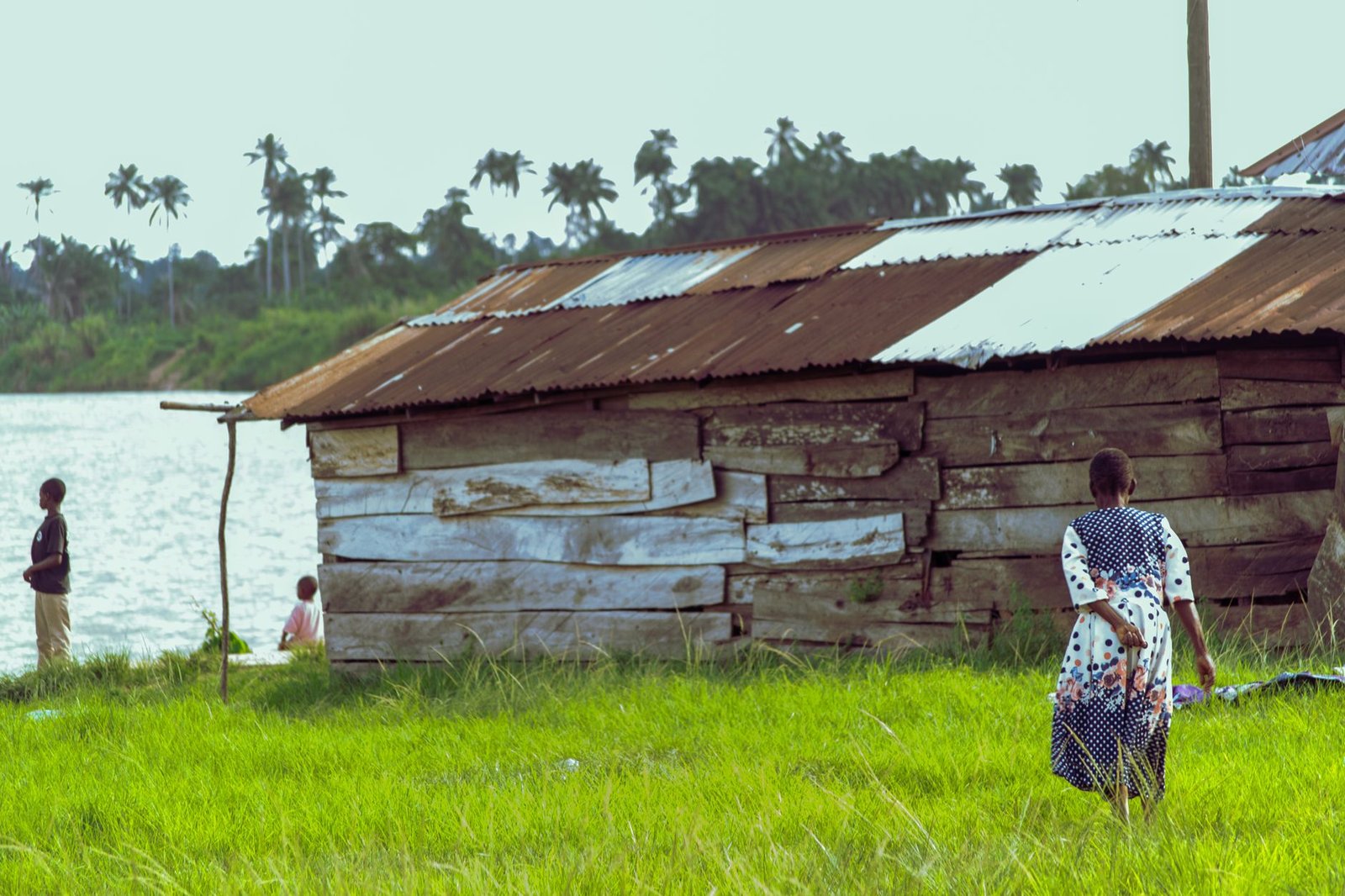
Nyanga, bordering the Republic of the Congo, is one of Gabon’s least populated and most isolated regions. Its capital, Tchibanga, hosts the bulk of public services, yet access to electricity, clean water, and healthcare remains severely limited. For local observers, the 77% poverty rate comes as little shock. What is striking, however, is how this local reality contrasts with Gabon’s macroeconomic standing—a petroleum-rich nation boasting one of sub-Saharan Africa’s highest GDP per capita figures.
Gabon consistently tops African rankings in the UN Development Programme’s Human Development Index. Yet this aggregated snapshot conceals profound territorial disparities, as the RNDH 2026 acknowledges without always prioritizing them. The Nyanga data serves as a prime example: embedded in the report’s body, it receives no summary highlight, nor is it integrated into policy recommendations.
Government transparency tested by raw poverty figures
This omission raises critical questions about data utilization. A national human development report is meant to guide public decision-making and prioritize resource allocation. When a province reports poverty levels three to four times the national average, such data should directly inform budgetary decisions. Instead, the handling of Nyanga’s figure suggests the opposite: a perfunctory inclusion that fulfills documentation requirements but lacks political traction.
Gabon is not alone in this challenge. Several Central African states, rich in extractive resources, display impressive macroeconomic indicators while harboring deep rural poverty. Territorial inequality persists, often exacerbated by administrative centralization and investment concentration in economic hubs like Libreville and Port-Gentil—where infrastructure and services bear little resemblance to those in the nation’s southern and eastern borderlands.
Nyanga: a microcosm of Gabon’s regional divides
For the country’s transitional authorities, in power since August 2023, these figures represent a political test. Official discourse emphasizes restoring territorial equity and unblocking access to landlocked provinces. Promises have been made—road rehabilitation, rural electrification, and agricultural revival—but the true test lies in how these intentions translate into concrete budget allocations in the next financial laws.
Nyanga, long known for its agricultural potential and cattle ranching, now embodies the gap between latent wealth and lived reality. Once thriving ranches, central to the region’s vision of beef self-sufficiency, now operate far below capacity. Youth migration to Libreville drains the province of its productive workforce, perpetuating a cycle of impoverishment that national statistics alone cannot capture.
The release of the RNDH 2026 provides a valuable evidence base—provided sensitive figures aren’t lost in the report’s bulk. The pressing question is no longer merely quantifying poverty, but understanding how Gabon’s administration plans to address it—and by when. Without clear prioritization, even the most revealing data risks becoming yet another unacted-upon finding.