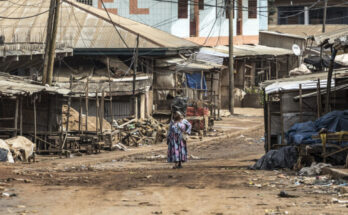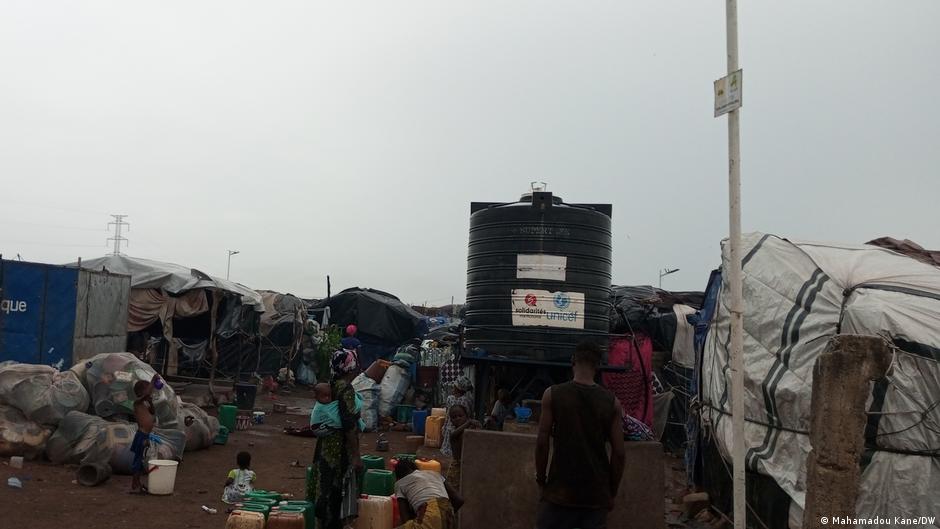
In Bamako, the capital of Mali, the demolition of the Faladiè livestock market has left over 300 displaced families homeless. The market, which also served as an informal camp for internally displaced persons (IDPs), was razed to the ground, intensifying the already dire humanitarian crisis in the region.
why was the faladiè market demolished?
Local authorities initiated the demolition following a decision made in September 2024, in response to jihadist attacks that targeted military and gendarmerie sites in Bamako. Several livestock markets, including Faladiè, were suspected of harboring jihadist fighters, leading to their closure and subsequent demolition. However, the market was also home to hundreds of displaced families, primarily from central Mali, who had sought refuge there after fleeing violence in their hometowns.
a displaced community left in the cold
Among those affected is Dado, a 40-year-old mother of five who fled Bankass, in central Mali, six years ago. She shared her struggles: “We came here believing we were safe. Our family of seven—my mother, two daughters, and three sons—left everything behind due to the conflict. Now, we’re once again without a home.”
With the demolition of Faladiè, more than 2,000 people—mostly women and children—are now left without shelter, food, or access to healthcare. Many had relied on informal jobs, such as collecting and selling waste or food scraps to livestock traders, to survive.
failed relocation plans raise concerns
Officials claim that displaced families from Faladiè were to be relocated to Sanankoroba, a site 35 kilometers from Bamako, prepared by the government. However, local vendors and displaced persons describe the relocation site as “non-functional,” raising doubts about its readiness to accommodate thousands of people.
Dado pleads for urgent assistance: “We don’t have a choice but to leave. But please, help us find another place to go. Without shelter, we are exposed to the elements, with no food or water. Our priority now is a roof over our heads.”
The informal camp at Faladiè, established in 2019, had previously received support from local and international humanitarian organizations, as well as Malian authorities. However, the National Directorate of Social Development has yet to provide a clear update on the situation, stating it is “too early” to comment.