Street protests reveal deeper cracks in France’s education system
As France edges closer to the 2027 presidential election, the country is witnessing a wave of student-led protests that are exposing fundamental flaws in the national education system. What began as anger over overcrowded classrooms and understaffed schools has exploded into a broader movement questioning the very foundations of equal opportunity in French society.
Rising discontent in classrooms and beyond
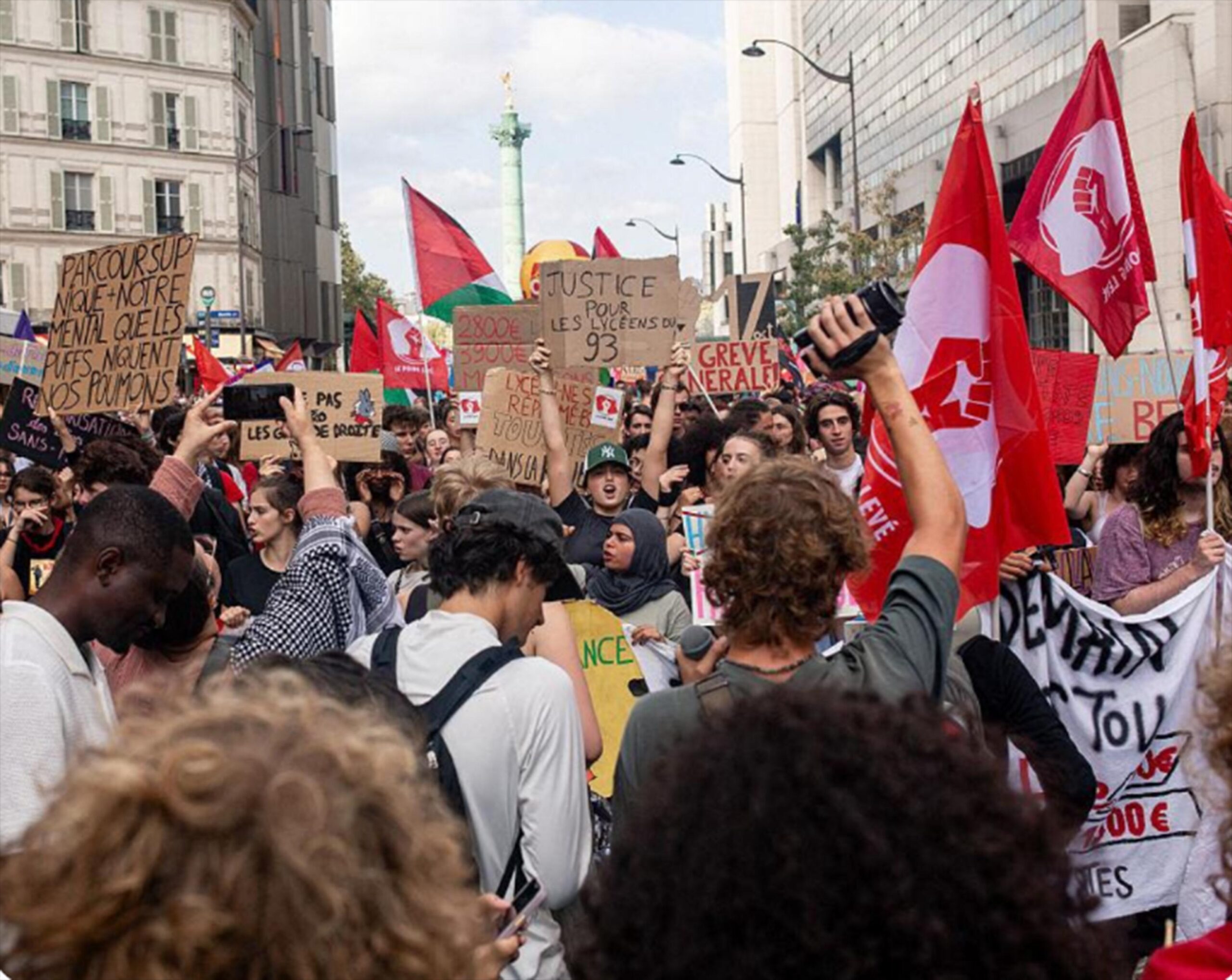
The protest movement gathered momentum during the September school term, when high school students first took to the streets. Their complaints focused on concrete issues: teacher shortages, crumbling infrastructure, and the emotional toll of an education system they view as profoundly unfair. The introduction of Parcoursup, France’s centralized university admissions platform, added another layer of frustration, with students describing it as an opaque and stressful barrier to higher education.
By the fifth consecutive Saturday of demonstrations, the scale of the movement was undeniable. Organizers claimed participation reached 480,000 people, while government sources reported 161,500 participants. Regardless of the exact numbers, the protests had clearly transitioned from isolated complaints to a national conversation about education’s role in shaping France’s future.
Where inequality begins and amplifies
The crisis is not uniform across France. In working-class neighborhoods, students face the dual burden of underfunded schools and absent teachers. In wealthier areas, the problems manifest differently: overloaded schedules, inadequate support systems, and a curriculum that many feel no longer prepares students for the modern job market. Government consultations conducted in October confirmed these concerns, with school schedules emerging as the top complaint—ranking higher than infrastructure conditions or teacher absenteeism.
These disparities are not just about resources—they represent a fundamental challenge to France’s republican ideal of equality through education. When the system fails some students while favoring others, it undermines the social contract that has defined French public education for centuries.
From education demands to a broader social outcry
The October 17 protests marked a turning point, as education-related grievances converged with wider economic and social frustrations. The movement began attracting support from older generations, including former ‘Yellow Vests’ activists, creating an alliance of citizens united by concerns over purchasing power, public services, and systemic inequality.
While this convergence broadened the movement’s appeal, it also introduced complexity. Not all participants shared identical goals, and tensions occasionally flared into clashes. In Paris and Marseille, confrontations between protesters and police drew attention to issues of public order, though these incidents represented a minority of the day’s events.
The challenge now facing authorities and protest organizers alike is to channel this energy into productive dialogue rather than escalation. The school system’s problems cannot be solved through repression or superficial reforms—they require genuine engagement with students, teachers, and families about the fundamental purpose of education.
2027 Election pressures shape the debate
With the presidential election just months away, the education crisis has become a pivotal issue in political discourse. Candidates from across the spectrum are being forced to address questions that were once considered secondary: How much should France invest in its schools? What concrete steps can be taken to eliminate educational inequality? How can the country provide young people with a stable foundation for their professional futures?
The government has responded with promises of increased funding and teacher replacements, but critics argue these measures are insufficient given the scale of the crisis. The effectiveness of these responses will likely determine how voters view the current administration’s legacy, even if the election outcome remains uncertain.
Can protests translate into lasting change?
The fundamental question now is whether this mobilization will lead to meaningful reform or remain a fleeting moment of dissent. The diversity of demands—from better school conditions to universal job guarantees—creates both strength and complication. The path forward will require more than slogans and street demonstrations; it will demand structured participation from all stakeholders in designing solutions.
As France prepares to choose its next leaders, the youth movement serves as a powerful reminder that education is not just about curriculum and classrooms—it is about the kind of society the country aspires to become. The 2027 election may well be decided by how seriously the political class addresses these concerns, and by whether the current protests become the catalyst for genuine transformation.