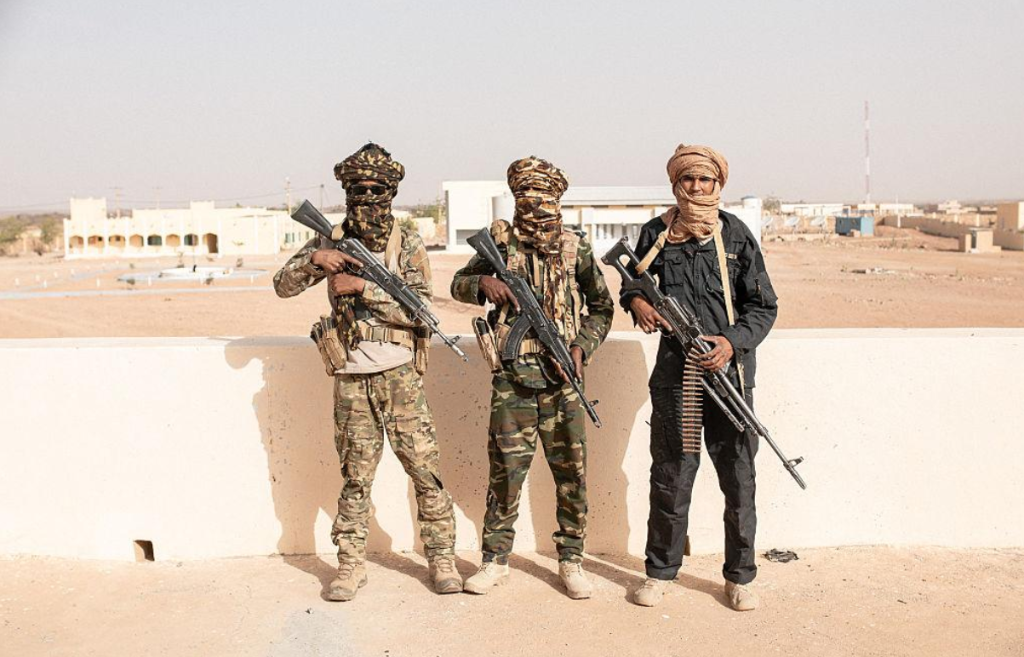
With Mali’s strategic stronghold of Kidal now under government control, the Front de Libération de l’Azawad (FLA) faces an existential dilemma. Cut off from its traditional safe haven and deserted by the 2015 Algiers Peace Accord, the separatist movement is racing to secure new external allies to survive.
Diplomatic pivot following Kidal’s fall
On October 6, 2026, Malian forces reoccupied Kidal without a single shot fired. The rebels had withdrawn days earlier, framing their retreat as a calculated tactical move to protect fighters and assets. But the loss of their northern bastion has left the FLA exposed, stripped of its command center and cut off from key supply routes.
Facing imminent military pressure, the movement has turned its gaze beyond Mali’s borders. Internal communications show the FLA has initiated quiet outreach to the eastern Libyan administration under Marshal Khalifa Haftar, leveraging geographical proximity and porous Saharan borders. A high-level FLA delegation visited Benghazi, where talks allegedly focused on logistical and financial support, though no immediate arms transfers have been confirmed.
Abu Dhabi emerges as key financial backer
At the same time, the rebel group has opened channels with Abu Dhabi. The UAE has steadily expanded its footprint in the Sahel-Sahara corridor, building financial and security networks from the Horn of Africa to the Sahara. However, this outreach threatens to escalate regional tensions, particularly with Algeria, which views any Emirati presence near its southern border as a direct threat to national security.
Algeria pushes back with strategic realignment
Algeria, which shares over 1,000 kilometers of border with Mali, has responded to the emerging FLA-UAE axis by accelerating diplomatic re-engagement with Bamako. After years of strained relations stemming from the collapse of the 2015 peace agreement, both governments are now collaborating on border security, counter-trafficking, and migration control. Official statements emphasize restoring sovereignty and stability, but the unspoken goal is to block external influence that could destabilize Algeria’s southern flank.
This realignment extends southward. Algeria has also deepened ties with Niger through intensified bilateral dialogue and joint security initiatives. By strengthening its partnership with Niamey, Algiers aims to build a resilient buffer zone across the Sahel, reducing the risk of infiltration by foreign actors seeking to exploit regional instability.
Regional chessboard shifts as alliances harden
The withdrawal from Kidal has forced the FLA into a high-stakes gamble. Survival now depends on securing foreign support—whether from Haftar’s Libya or Abu Dhabi’s financial networks. Yet these ententes carry risks. Military aid from Libya could isolate the rebels further, while UAE backing risks escalating hostilities with Algeria, which has long seen itself as the Sahel’s guardian.
Meanwhile, Bamako and Niamey are prioritizing dialogue with Algiers, not only to restore control over rebel zones but to prevent the Sahara from becoming a transit corridor for arms, fighters, or foreign influence. The coming months will reveal whether these fragile alliances can stabilize the region—or whether the vacuum left by Kidal’s fall will draw in even deeper geopolitical rivalries.