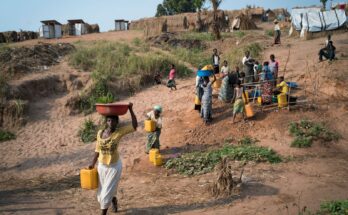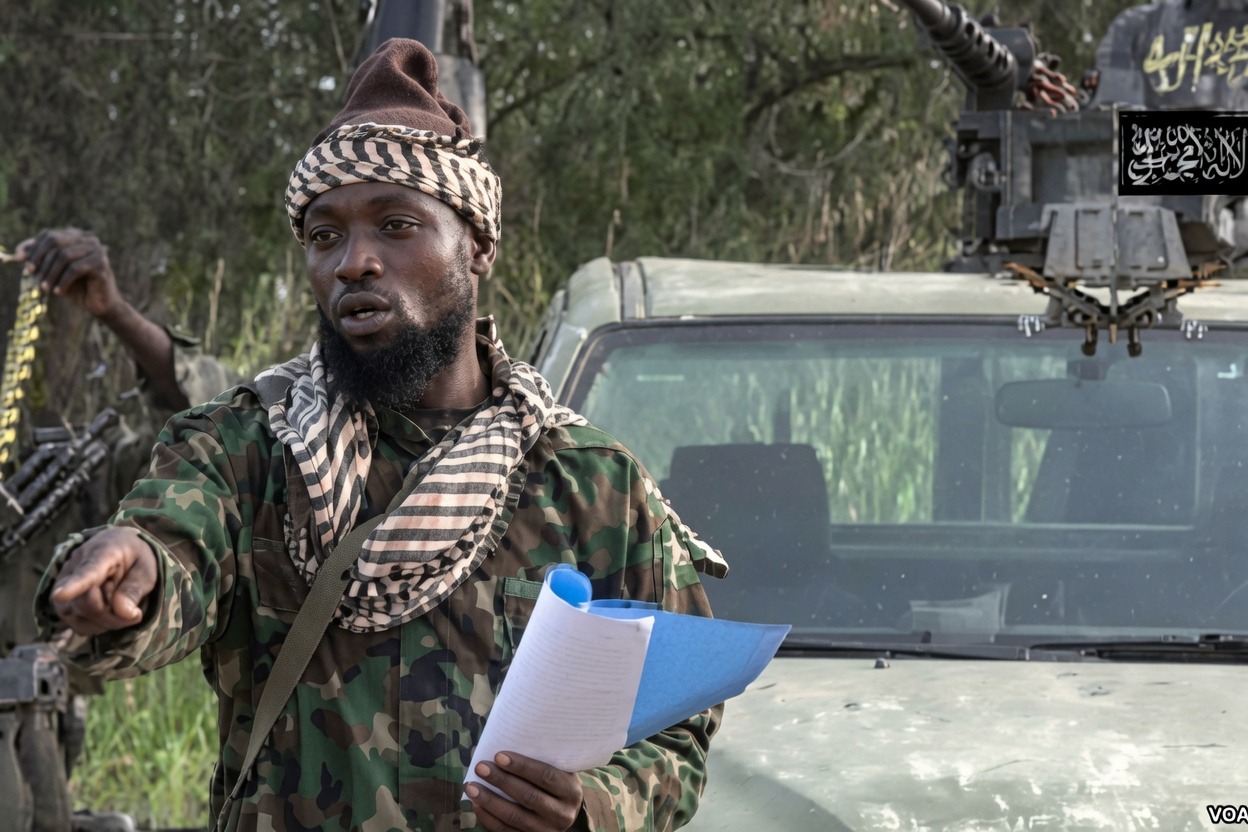
The expansive Sahel-Saharan belt has definitively emerged as the global epicenter of jihadist activity. Across this vast territory, stretching from the western reaches of Mali to the distant shores of the Lake Chad basin, millions of Sahelian civilians now endure life under the oppressive dominion of groups aligned with Al-Qaïda or the Islamic State. Daily life is a torment, marked by bans on cultivating fields, the enforcement of ultra-violent social dictates, and the constant dread of the next brutal raid. Yet, the most tragic aspect of this escalating crisis is not merely the formidable strength of these aggressors, but the stark realization that no coherent security policy exists to quell the spreading inferno across the Sahel.
The era of reactive, piecemeal responses
Confronted by an interconnected threat that traverses the Sahel’s porous borders with unsettling agility, state responses remain regrettably fragmented, ambiguous, and improvised. We observe a recurring pattern of immediate reactions following each atrocity, rather than the consistent application of a well-conceived and shared military doctrine.
A credible security policy transcends mere acquisitions of military hardware or public relations announcements on social media. It necessitates:
- Authentic and enduring strategic coordination among the front-line Sahelian states.
- A permanent strategy for securing vital road networks and agricultural zones to safeguard the rural economy of the Sahel.
- Extensive territorial coverage and shared intelligence capabilities designed to anticipate enemy movements, rather than simply documenting the aftermath.
Instead, the current strategic void provides an open field for armed groups. They establish their presence, impose taxes, and effectively position themselves as the sole administrators of vast swathes of Sahelian territory.
The pitfall of a purely military approach without a holistic vision
Another symptom of this absence of a comprehensive security policy in the Sahel is the misguided belief that the crisis can be resolved solely through military means. By overlooking the crucial dimension of “human security”—which encompasses the re-establishment of public services, schools, healthcare clinics, and impartial justice in fragile areas—governments inadvertently create an attractive environment for jihadist recruiters.
Because there is no long-term vision to sustainably re-establish state authority where it has collapsed, military operations, even when achieving temporary successes, ultimately prove to be fleeting. As soon as the military withdraws or shifts its focus to another zone, terrorist groups often return, frequently more formidable and deeply embedded within local communities than before.
An urgent awakening or inevitable collapse
The grim reality unfolding from Mali to the Lake Chad region serves as a severe warning for the future of the entire area. A global, structured insurgency cannot be effectively combated with improvisation and fractured strategic alliances. Until the leaders of the Sahel commit to developing a comprehensive, scientifically informed, and truly coordinated security policy, political rhetoric will continue while the ground inexorably slips further into the control of armed groups.