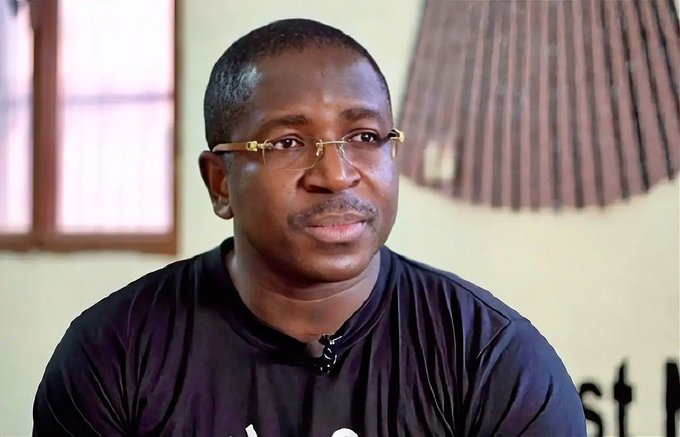
The circumstances surrounding Guy Hervé Kam’s detention continue to generate significant inquiry across Burkina Faso. The attorney, a co-founder of the civic movement Balai Citoyen and leader of the political movement Sens, was admitted to a medical facility in early June following the emergence of health complications, having been held without judicial proceedings for over eighteen months.
A prominent personality within Burkinabè civil society, Mr. Kam’s arrest occurred during a period characterized by a tightening political and security landscape within the nation. More than eighteen months have elapsed since his apprehension, yet no official trial date has been disclosed, intensifying the apprehension among his family, legal representatives, and numerous human rights advocacy groups.
The sustained detention of a political figure without due judicial process inherently raises critical questions regarding adherence to fundamental legal safeguards. Both the Burkinabè Constitution and the nation’s international commitments—specifically the African Charter on Human and Peoples’ Rights and the International Covenant on Civil and Political Rights—unequivocally affirm the right of every individual to a trial within a reasonable timeframe and to benefit from an equitable judicial proceeding.
These concerns have been further amplified by the announcement of his hospitalization. Supporters express apprehension that his prolonged incarceration, compounded by a deteriorating health condition, could severely exacerbate his overall situation. Numerous observers underscore that access to appropriate medical care stands as an inviolable right for any individual deprived of liberty.
Since the advent of the transitional authorities, various critical voices—including political leaders, journalists, and civil society participants—have encountered arrests or been subjected to restrictive measures. Esteemed organizations such as Amnesty International and Human Rights Watch have previously issued warnings concerning the constriction of civic space within Burkina Faso and the documented infringements upon public freedoms in recent months.
For a significant number of human rights advocates, the case of Guy Hervé Kam now transcends the specifics of his individual circumstances. It brings into sharp focus the broader imperatives of judicial independence, adherence to the rule of law, and the scope afforded to political pluralism within a nation grappling with profound security challenges.
While awaiting a potential appearance before the judiciary, the hospitalization of the opposition figure serves to re-emphasize the critical necessity of ensuring that all detained individuals are afforded conditions consistent with fundamental human rights principles, irrespective of their political convictions.