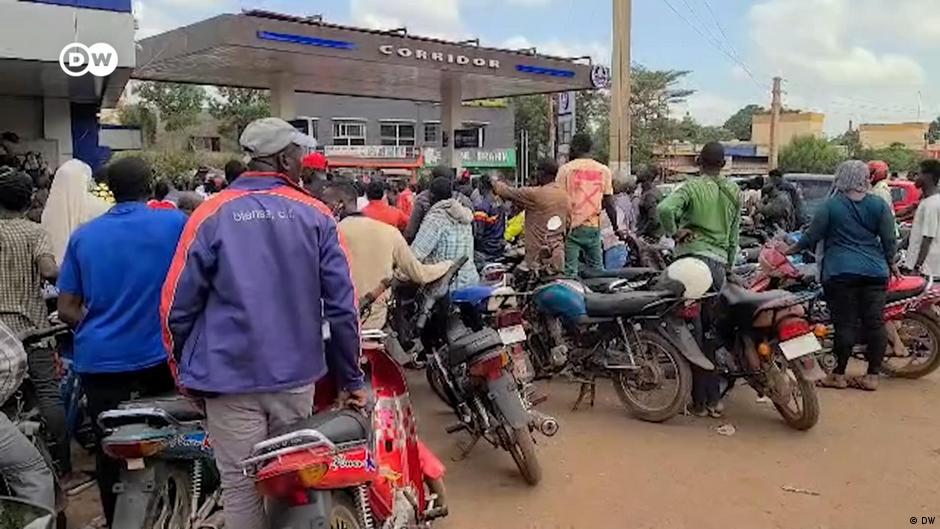
For nearly nine months, the city of Ségou in central Mali has been grappling with a relentless fuel shortage that has brought daily life and economic activity to a standstill. The crisis has deepened as repeated stockouts, skyrocketing prices, and an unregulated black market continue to destabilize the region.
Supply shortages strain daily operations
Located over 200 kilometers from Bamako, Ségou relies entirely on fuel convoys escorted by the Malian Armed Forces (FAMa) for its supply. These deliveries occur only two to three times per month due to heightened security threats in the region. Each shipment includes over a dozen tanker trucks, with priority given to industrial producers and Énergie du Mali (EDM), the national electricity provider. Only three or four trucks are allocated to service stations, which typically deplete their reserves within 48 hours.
Residents report recurrent stockouts and warn that the insecurity-driven supply gaps have fueled a lucrative black market. They are calling for more frequent and reliable fuel deliveries to restore normalcy.
Black market thrives amid scarcity
Once service stations run dry, informal vendors step in to meet demand. In several neighborhoods across Ségou, the price of gasoline has surged to between 2,000 and 5,000 West African CFA francs per liter—far exceeding official rates. Locals question the origin of fuel sold on the black market, suspecting opportunistic profiteers are exploiting the crisis without facing consequences.
Local economy and mobility crippled
The fuel shortage has had a ripple effect, severely disrupting the local economy and mobility. Residents have noticed a sharp decline in activity along the city’s main streets, with public transport hit especially hard. Fares for shared tricycles, known locally as « katakatani », have doubled from 100 to 200 francs CFA, making daily commutes—whether for students, teachers, or workers—significantly more challenging.
In response, the Malian Armed Forces have intensified patrols and roadblocks to intercept vehicles transporting large quantities of fuel to distant areas. Despite these efforts, the people of Ségou continue to demand a sustainable solution to an escalating crisis that is steadily undermining the city’s economic stability.