Morocco’s dam strategy: a cornerstone of water independence
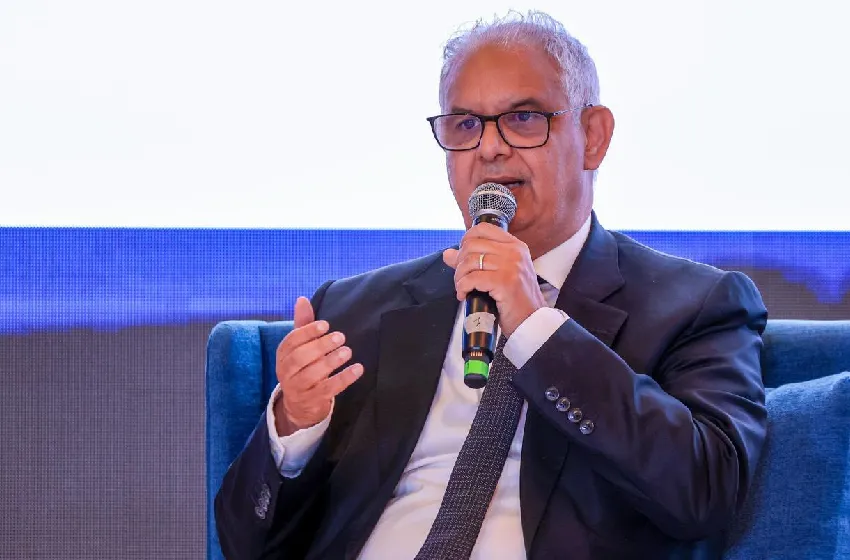
Under the visionary leadership of His Majesty King Mohammed VI, Morocco has transformed its dam infrastructure into a fundamental pillar of water sovereignty. Speaking at a high-level forum in Rabat, Minister of Equipment and Water Nizar Baraka highlighted the Kingdom’s remarkable progress in hydrological engineering and water resource management.
A growing network of strategic reservoirs
By the end of 2026, Morocco will operate 156 major dams, with a total storage capacity of 20.8 billion cubic meters. Currently, 14 new dams are under construction, a testament to the country’s commitment to long-term water security. This ambitious program reflects the Royal Vision for sustainable development, fostering expertise in civil engineering, technical studies, and water infrastructure management.
The minister emphasized that these water assets are crucial for territorial resilience, ensuring both drinking water supply and agricultural irrigation across the nation. Between 2021 and 2026 alone, eight major dams were completed, reinforcing national preparedness.
Thanks to this robust infrastructure and favorable rainfall patterns, Morocco now maintains a minimum two-year buffer for potable and irrigation water nationwide, safeguarding against seasonal shortages.
Small dams, big impact: empowering rural communities
Complementing the large-scale network, Morocco is expanding its small dam program. A collaboration between the Ministry of Equipment and Water and the Ministry of the Interior aims to construct 155 small dams by 2028. These structures are designed to:
- Improve access to clean water in rural areas
- Replenish underground aquifers
- Build long-term reserves for future generations
This dual approach—large and small dams—forms the backbone of Morocco’s hydrological sovereignty strategy, which also includes basin-based governance, seawater desalination, wastewater recycling, and climate adaptation measures.
Desalination and inter-basin links: the future of water supply
To meet growing demand, Morocco is prioritizing seawater desalination. By 2030, desalinated water is expected to supply 60% of drinking water needs, diversifying the country’s water sources and reducing reliance on traditional supplies.
The Kingdom is also investing in inter-basin water transfer networks, dubbed water highways, to redistribute resources more equitably. These connections aim to:
- Ensure water security for major urban centers
- Support rural communities and agricultural zones
- Promote national solidarity in water management
According to experts, this integrated approach positions Morocco as a regional leader in water governance, balancing supply, equity, and sustainability.
Sustainable financing: securing water for generations
Managing a vast water infrastructure requires innovative funding. International development specialist Mohammed Benahmed stressed the need for long-term financial planning, including:
- Green bonds and climate-linked financing
- Mixed funding models (grants, concessional loans, guarantees)
- Public-Private Partnerships (PPPs)
He underscored that preserving such a critical water asset demands stable, multi-year investment cycles to maintain performance and resilience.
Global recognition, local benefits
Mohamed Amrani of the FAO noted that Morocco’s water strategy exemplifies regional best practices. He highlighted the importance of fairness, sustainability, and productivity in cross-regional water governance, avoiding costly dependencies while ensuring equitable access.
This comprehensive water policy reflects a broader commitment to national cohesion and environmental stewardship, positioning Morocco as a model in water security and territorial justice.