Gabon and Mauritania push for a new francophone africa
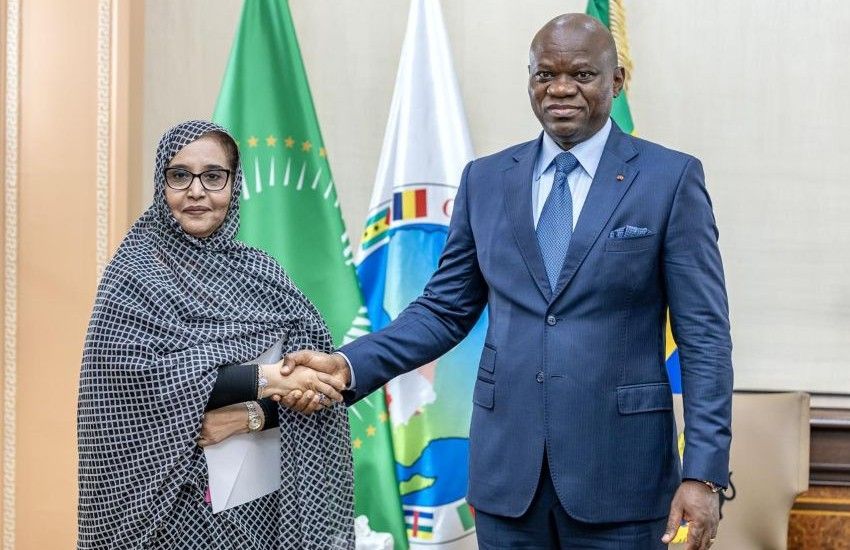
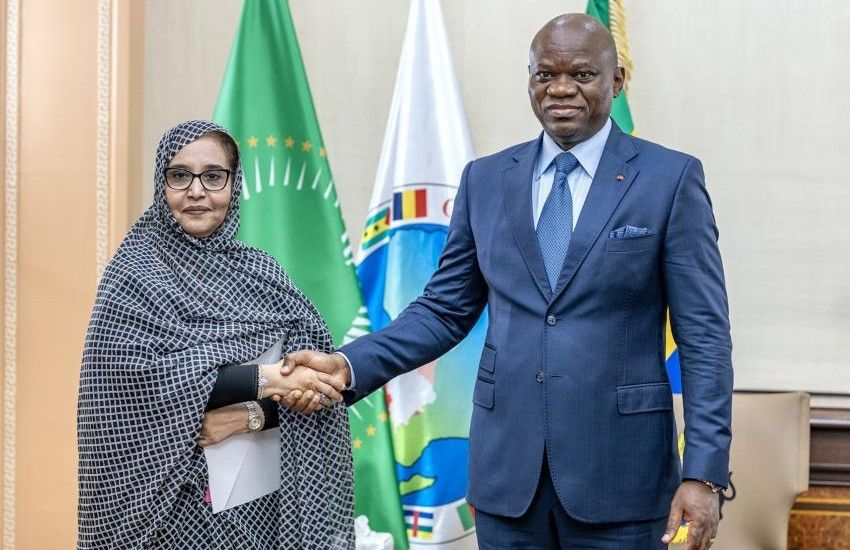
Libreville — On Monday, a high-level diplomatic exchange in Gabon’s capital underscored a pivotal moment for the Organisation internationale de la Francophonie (OIF). The meeting between Gabonese President Brice Clotaire Oligui Nguema and Mauritanian envoy Messouda Baham Mohamed Laghdaf signals a shifting dynamic where African nations are asserting greater influence over the future of the 90-member organization.
The Mauritanian minister, carrying a personal message from President Mohamed Ould Cheikh El Ghazouani, delivered a proposal that goes beyond bilateral relations. Her agenda centered on Mauritania’s endorsement of Dr. Koumba Ba’s candidacy for OIF Secretary-General—a move that reflects Nouakchott’s strategic vision for the organization.
Mauritania’s strategic gambit in the francophone arena
The proposed candidacy of Dr. Koumba Ba is rooted in three core principles: coherence, balance, and tangible utility for member states. This approach addresses growing concerns about the OIF’s relevance in the 21st century, where priorities have expanded beyond cultural influence to include digital transformation, youth education, economic development, food security, climate action, artificial intelligence, and technological sovereignty.
By positioning itself as a champion of a results-driven Francophonie, Mauritania is challenging the traditional narrative of the organization as a mere cultural and linguistic instrument. The African continent, now home to over 60% of the world’s French speakers—a figure projected to rise to 85% by 2050—demands a more pragmatic and development-oriented approach.
Gabon’s rising diplomatic profile
The timing of this initiative is no coincidence. Since assuming office, President Oligui Nguema has steered Gabon toward a more assertive diplomatic role, positioning Libreville as a key mediator in regional and continental issues. His commitment to dialogue and consensus-building has elevated Gabon’s stature in African and global forums.
During the meeting, the Gabonese leader reaffirmed his support for inclusive governance within the OIF, aligning with the broader African push for greater representation and decision-making power. The discussions also highlighted opportunities for collaboration in environmental sustainability, economic exchanges, and youth empowerment—sectors where both nations see potential for mutual growth.
The African century of francophonie
The push for reform within the OIF is not isolated to Mauritania and Gabon. Across Africa, nations are increasingly vocal about reshaping an organization they view as historically dominated by non-African interests. The continent’s demographic and economic trajectory demands a Francophonie that addresses its unique challenges and opportunities.
Dr. Koumba Ba’s candidacy exemplifies this shift. Her platform advocates for a Francophonie that prioritizes African solutions to African problems, emphasizing innovation, youth employment, and cross-border cooperation as pillars of the organization’s future.
The encounter in Libreville is more than a diplomatic courtesy—it is a microcosm of a broader continental movement. As African states redefine their role within the OIF, the question is no longer whether Africa should have a louder voice, but how it will shape the next chapter of francophonie.