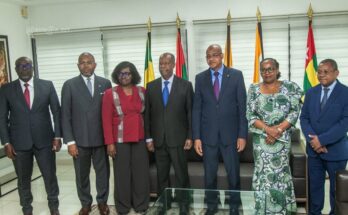
Libreville is currently the stage for a pivotal institutional assessment as the international community turns its attention toward Gabon. In an era where the fight against corruption serves as a primary benchmark for state credibility among investors and global partners, the nation is undergoing a rigorous evaluation of its integrity frameworks.
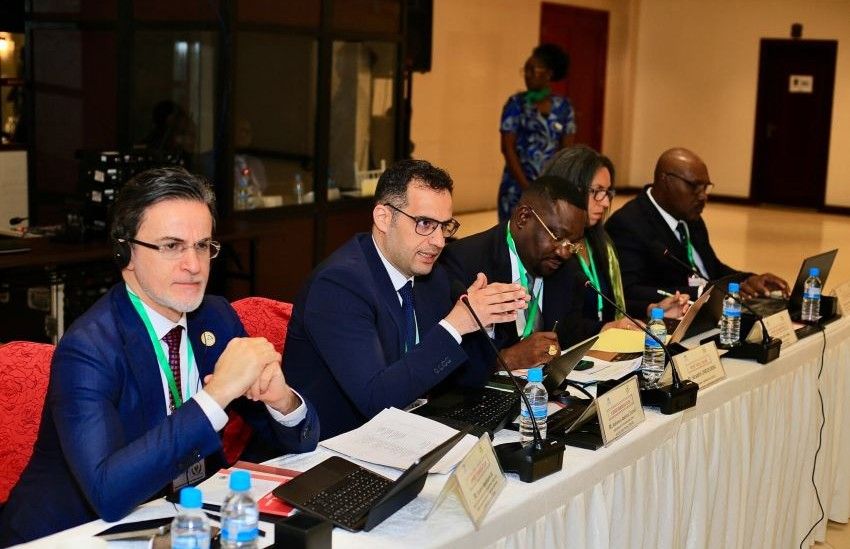
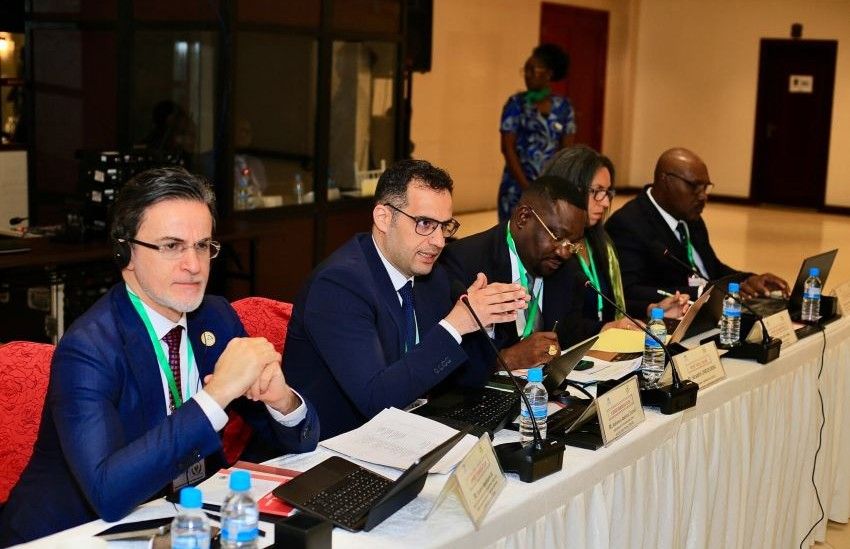
Starting June 29 in Libreville, the country has been hosting an evaluation mission focused on the second cycle of the United Nations Convention against Corruption (UNCAC) implementation mechanism. While technical in nature, this review carries significant political and economic weight, extending far beyond simple administrative compliance.
Over several days, specialists from the United Nations Office on Drugs and Crime (UNODC), alongside institutional representatives from Gabon and experts from Chad and Libya, are scrutinizing the effectiveness of national systems. Their focus includes prevention strategies, financial oversight, international judicial cooperation, and the recovery of stolen assets. The ultimate goal is to determine if Gabon can convert its international pledges into tangible governance results.
Beyond a diplomatic formality
This mission, convened at the Hotel Boulevard, represents a strategic milestone in the modernization of public governance. The proceedings cover a wide array of topics, including financial traceability tools, inter-institutional coordination, and mechanisms specifically designed to combat illicit enrichment. It is a comprehensive audit of the nation’s capacity to uphold public integrity.
Séraphin Ondoumba, the UNODC focal point in Gabon and a member of the National Commission Against Corruption and Illicit Enrichment (CNLCEI), noted that this exercise provides a platform to showcase advancements while identifying remaining gaps. For the visiting experts, the mission is not just about reviewing legislation; it is about assessing the state’s ability to foster a sustainable culture of transparency and ensure the disciplined management of national resources.
In the current global climate, transparency has become a cornerstone of economic attractiveness. International lenders and private investors now weigh the quality of a nation’s governance as heavily as its economic potential.
Governance at the heart of national reform
The discussions have highlighted the reform agenda initiated under the leadership of President Brice Clotaire Oligui Nguema. The executive branch has prioritized the fight against corruption, the rationalization of public spending, and the strengthening of administrative audits. Vice-President Hermann Immongault emphasized that this mission aligns with a broader strategy to bolster accountability and meet international standards.
A key component of this shift is the gradual digitalization of administrative and financial workflows. This technological push aims to eliminate opacity, secure public revenue, and enhance the tracking of financial transactions. The evaluation also looks closely at the internal controls within various administrations and the training programs provided to public officials.
Institutional strength as a measure of credibility
This mission serves as a genuine test of institutional reliability. In a world demanding higher levels of openness, states that successfully demonstrate robust governance mechanisms improve their diplomatic standing and economic competitiveness. Gabon appears to recognize that anti-corruption efforts are no longer just an ethical choice but a strategic necessity for development.
The quality of a country’s institutions now dictates investor confidence and the effectiveness of public policy. While the upcoming recommendations will help fine-tune existing systems, the real challenge lies in their execution. In the modern economy, good governance is as vital as physical infrastructure like roads or power grids. For Gabon, this week’s review is a critical indicator of its journey toward becoming a more transparent and high-performing state on the global stage.