Gabon stands firm against Trump’s migrant transfer proposal
Libreville, June 4, 2026 – In a bold diplomatic move, Gabonese President Brice Clotaire Oligui Nguema has firmly rejected a proposal from the United States to accept migrants facing deportation under Donald Trump’s administration. This decision underscores Gabon’s commitment to national sovereignty and its evolving foreign policy approach.
The Gabonese leader made his stance unmistakably clear during an international broadcast appearance. When confronted with a potential agreement to relocate migrants from the U.S. to Gabonese soil, he emphatically declined, emphasizing that such a deal would not serve Gabon’s interests.
« On this matter, we reached no agreement. I did not accept their proposal, and I say this with complete honesty. Gabon is not prepared to sign an arrangement that does not benefit us. The decision is final, » declared President Oligui Nguema.
Global migration challenges shape diplomatic decisions
The refusal comes at a time when Western nations, particularly the U.S., are intensifying efforts to outsource parts of their migration management to third countries. This strategy has led to partnerships with several African states, including Rwanda, which has agreed to host migrants transferred from the United Kingdom.
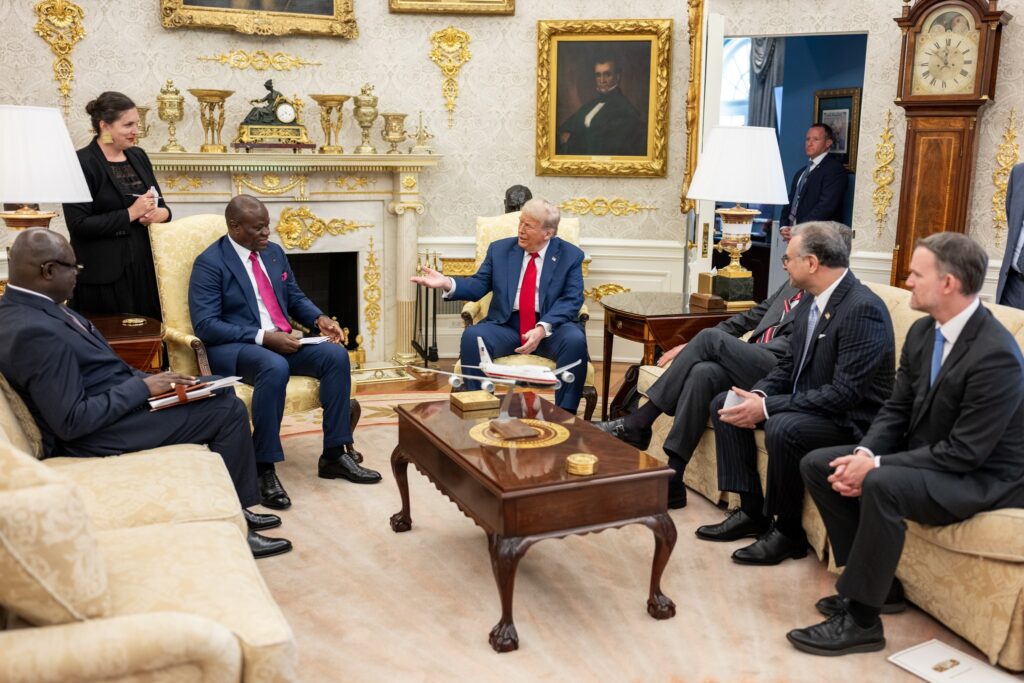
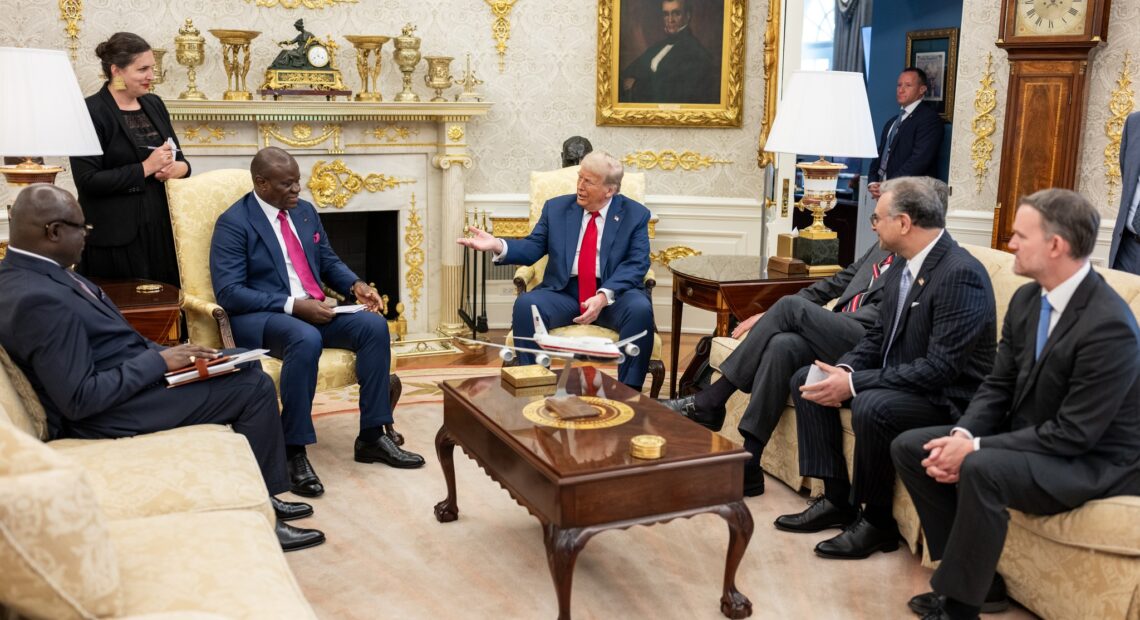
Gabon’s refusal, however, sends a distinct message. It is not a rejection of cooperation with Washington but rather a reaffirmation of sovereignty. Throughout the discussion, President Oligui Nguema took care to highlight the strong ties between Gabon and the U.S., even playfully referring to Donald Trump as « my friend with the red tie. »
The underlying message is clear: partnerships can thrive, but Gabon’s national interests remain non-negotiable.
National sovereignty takes center stage
This decision aligns with a broader pattern of Gabon asserting its autonomy in international affairs. From renegotiating mining contracts to reclaiming strategic military sites, Libreville is actively shaping a foreign policy centered on protecting its own priorities.
Accepting deportees from another continent would have placed an unpredictable burden on Gabon’s administrative, social, and financial systems. In a nation focused on economic and social modernization, the government’s priority remains addressing domestic needs first.
The stance also resonates with widespread sentiment across Africa, where many view the continent as an inappropriate relocation zone for the migration challenges of Western powers.
A balanced approach to diplomacy
The true significance of Gabon’s decision may lie in its diplomatic finesse. By publicly declining a major power’s request without resorting to confrontation, President Oligui Nguema demonstrates that African states can defend their interests while maintaining respectful international relations.
This approach stands in contrast to other global disputes where migration-related disagreements have escalated into open political conflicts. Gabon’s refusal, delivered with diplomatic courtesy, reinforces the idea that African nations are increasingly willing to negotiate from a position of strength rather than submission.
For international observers, this move reflects a broader shift in Africa’s relationship with global powers. While cooperation remains essential, African states are now asserting greater agency in shaping agreements that impact their future. The message from Libreville is unambiguous: Gabon remains open to the world but will not allow external forces to dictate its internal choices.
In an era of geopolitical fragmentation, Gabon’s firm stance on sovereignty may well become a defining feature of its diplomatic identity in the years ahead.