Gabon targets 7% growth by 2030 with bold economic reforms
ECONOMIC SHIFT / After a decade of stagnant growth below 5%, Gabon’s President Brice Clotaire Oligui Nguema is charting a bold new course to break free from the country’s overreliance on raw material exports.
Ending the cycle of resource dependence
The head of state has delivered a candid assessment of Gabon’s economic woes, labeling the nation’s traditional model as fundamentally flawed. « Gabon’s economy has thrived on a rentier system that fails to generate meaningful growth—let alone inclusive prosperity. »
Highlighting the paradox of exporting unrefined oil and manganese, he underscored a critical flaw: « Shipping raw materials abroad equates to exporting domestic job opportunities. »
Three pillars for economic transformation
To reverse this trend and cultivate a robust, job-rich economy, the President has outlined a three-pronged strategy:
- Systematic industrialization through local processing of raw materials.
- Economic diversification by prioritizing agriculture and service sectors.
- Strengthening the business climate to attract investment and foster entrepreneurship.
PNCD 2026-2030: The roadmap to recovery
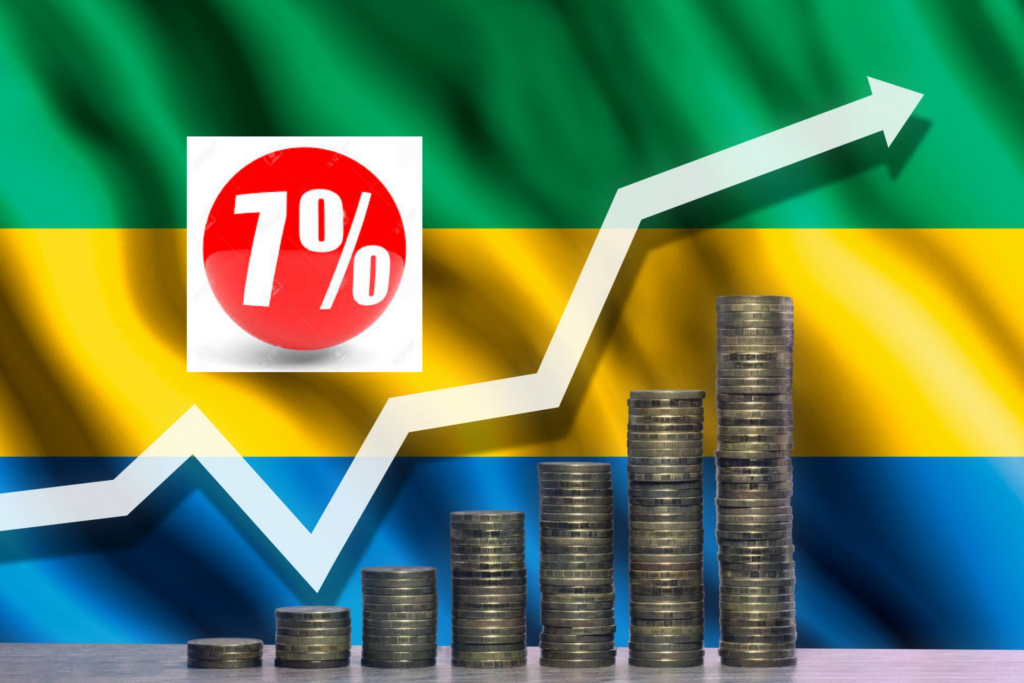
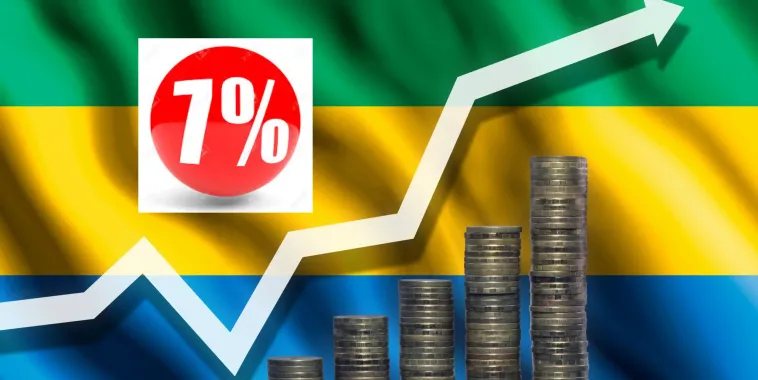
This vision is encapsulated in the National Growth and Development Plan (PNCD) 2026-2030, a comprehensive roadmap aimed at catapulting Gabon’s growth rate to an unprecedented 6%–7%.
The plan zeroes in on high-potential sectors, including manganese processing, poultry and cattle farming, digital innovation, and leveraging Gabon’s forestry resources in carbon markets.
« Gabon possesses the resources—what it lacked was disciplined governance. That deficiency is now addressed. »
By aligning economic ambition with accountable leadership, the President aims to position Gabon among Africa’s most vibrant economies by 2030.