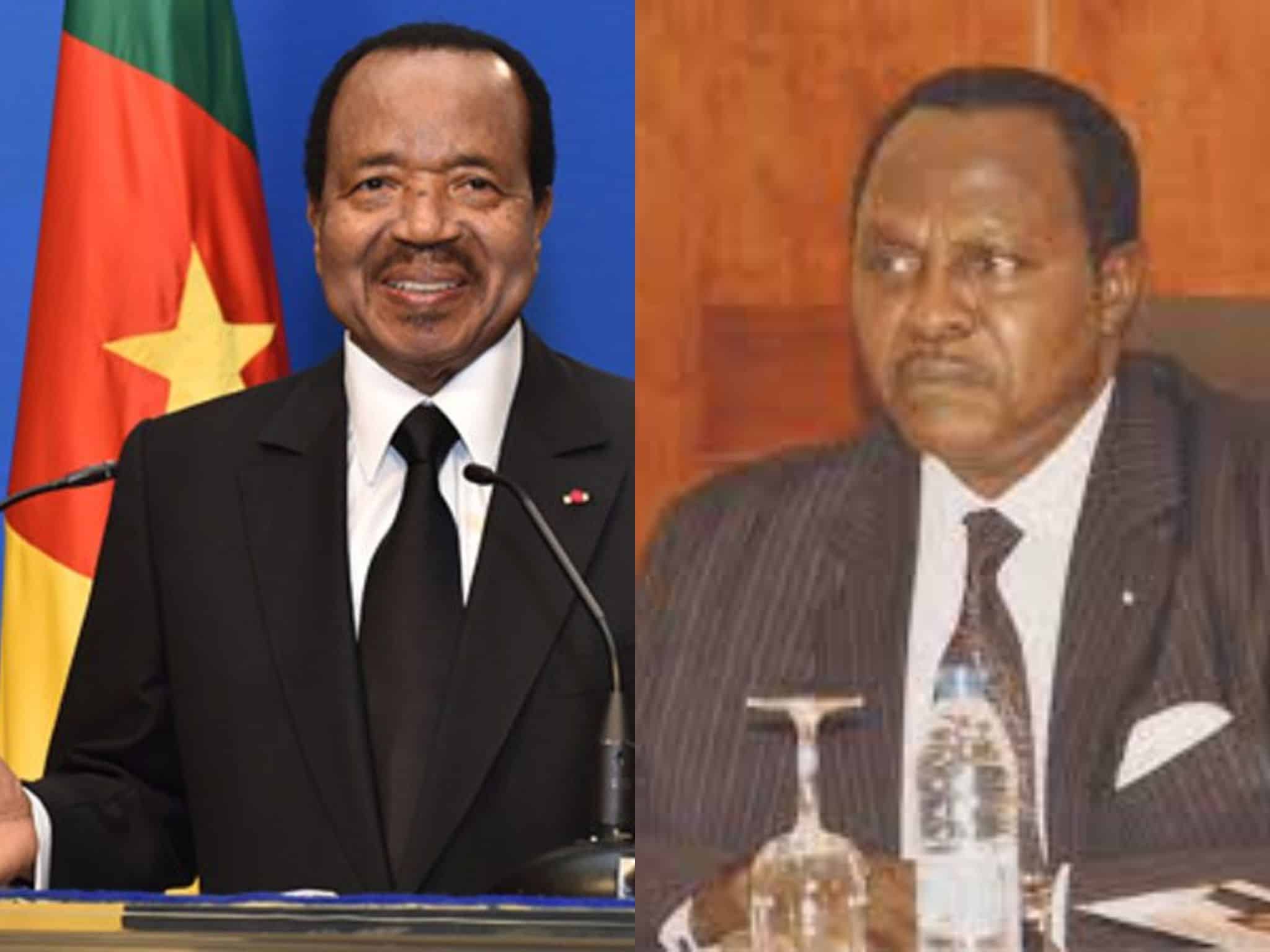
Shanda Tonme warns of existential crisis facing Cameroon’s leadership
Cameroon’s top anti-corruption watchdog delivers sobering assessment of national governance
Cameroon faces unprecedented leadership crisis
In a stark warning that reverberated through Cameroon’s political circles, the country’s Mediation Ombudsman and head of the Independent Commission Against Corruption and Discrimination (ICACD) delivered a sobering assessment of the nation’s governance challenges. Speaking with unfiltered candor, he emphasized that “there are no villages, tribes, clans, or friends in this equation—only Cameroon itself, and Cameroon alone will endure for eternity.”
A crisis of existential proportions
He framed the current situation as an existential crisis affecting not just the nation, but the very foundations of the state and republic. “There have never been, nor will there ever be, untouchable citizens,” he declared. “The government, vice president, and all others must recognize that even partial and relative cleansing of our political landscape is long overdue. The damage runs deep, and the weight of public grievances and demands has become unbearable.”
The central question now facing Cameroon is whether the country will settle for superficial patchwork using recycled actors and toxic influence networks, or whether it will build strong, pragmatic institutions led by truly integral nationalists and patriots.
Paul Biya’s legacy under scrutiny
The speaker acknowledged the complexity of President Paul Biya’s position, noting that the head of state inherited a nation burdened by decades of systemic dysfunction. While some critics point to the president’s extended tenure as evidence of his failure, the speaker defended Biya’s resilience, highlighting his remarkable capacity to endure betrayals and deviations from trusted allies over more than four decades in power.
“It’s not just about the republic’s gold—it’s about everything,” he stressed. “Anyone who believes this can be resolved with a quick reshuffle or a simple round of musical chairs among elites fundamentally misunderstands Cameroon’s political reality.” The speaker argued that patience and long-term sacrifice have become essential components of the president’s strategic approach, warning that rushing decisions in such a treacherous environment risks igniting even greater instability.
The depth of the crisis is evident in the most mundane yet disturbing examples: a newly appointed board chair demanding over 100 million FCFA to renovate a personal residence. “The hour is grave, and the president is acting with deliberate thoughtfulness,” he observed. “How can one navigate this minefield of venomous betrayals without burning everything down? The traitors—both overt and covert—have been exposed. There will be no untouchables, no immortals, no shielded networks of toxic influence that have caused so much harm.”
He urged patience, emphasizing that national destinies are not built on rushed decisions but on sustained sacrifice. “The time for a nation never truly presses,” he cautioned. “A positive future requires patience and sacrifice that may seem unacceptable to some. This is not just about politics—it is an existential equation for the nation, the republic, and the state itself.”
“Only Cameroon matters, and Cameroon alone will endure for eternity.” This principle must guide every decision, every reform, and every reckoning. To claim otherwise is not just false—it is dangerously irresponsible.
Cameroon governance issues
corruption in Cameroon
paul biya presidency
Be the first to comment



Comments