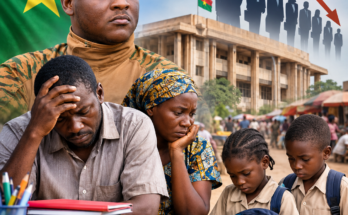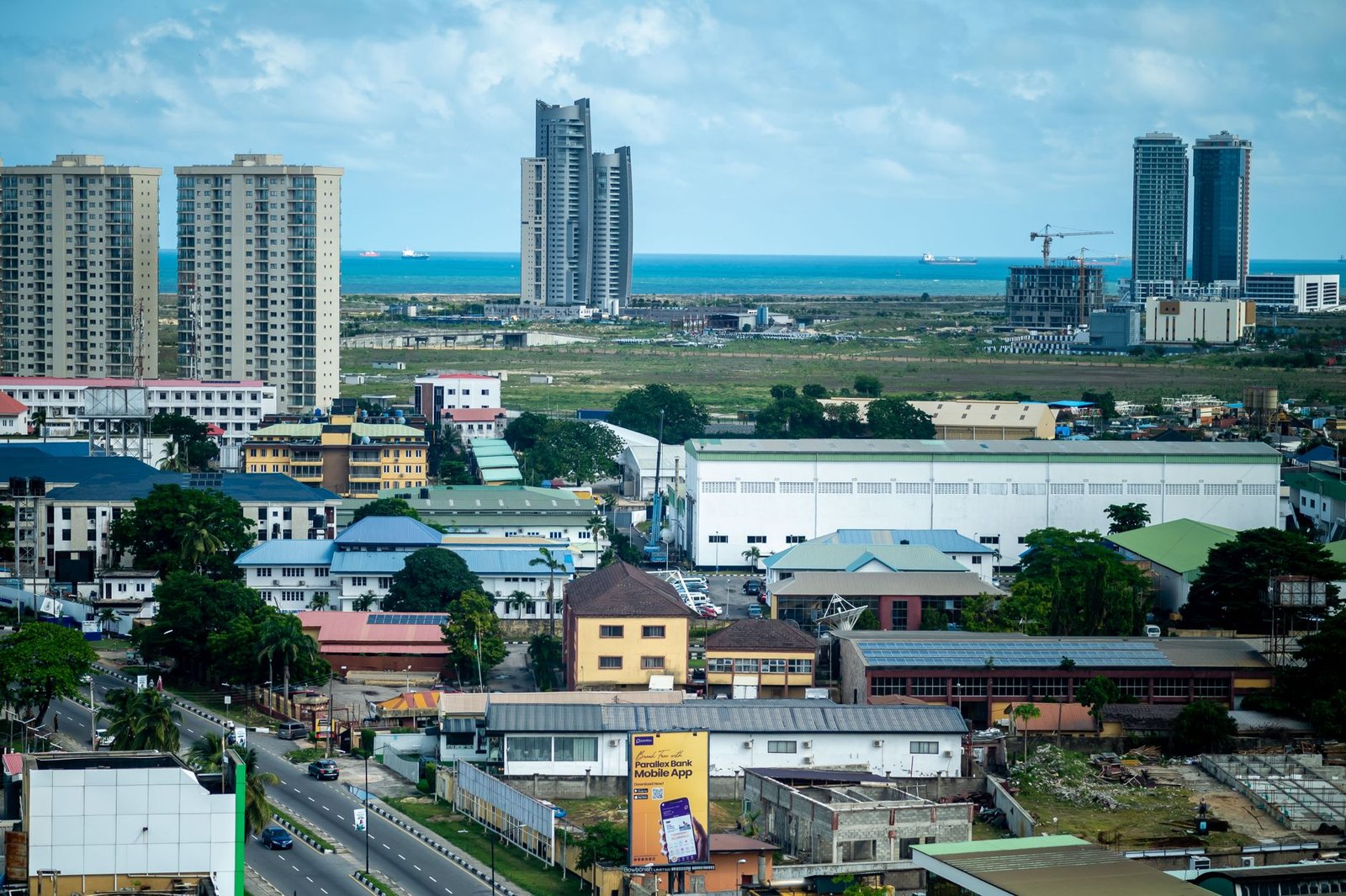
Public opinion in Gabon has turned sharply against France, with 78% of citizens now viewing the former colonial power’s influence as negative—a historic high. This stark shift comes from the latest Afrobarometer survey, which shows only 20% of respondents hold favorable views of Paris. Gabon, once seen as a key Francophone stronghold in the Gulf of Guinea, now ranks France last among major external partners in the capital, Libreville.
The contrast with other global players is striking. China leads with 61% positive opinions, followed by the African Union (60%), the United States (47%), and Russia (43%). Beijing is now perceived as three times more legitimate than France—a dramatic inversion of the traditional hierarchy. This change reflects deeper shifts in public perceptions of foreign partnerships in a country where French economic and military presence once seemed unassailable.
Part of a broader regional trend
Gabon’s growing skepticism is not unique. Since French forces withdrew from Mali, Burkina Faso, and Niger, anti-French sentiment has spread across West and Central Africa. Chad moved to renegotiate defense agreements in late 2024, Senegal closed French military bases, and Côte d’Ivoire followed suit. Gabon’s military-led transition, initiated in August 2023 under General Brice Clotaire Oligui Nguema, mirrors this regional push for greater sovereignty and diversified partnerships.
Symbolically, the gradual withdrawal of French troops and the downsizing of the French Forces in Gabon (EFG) to a mere cooperation mission have accompanied this shift. Libreville’s official stance, emphasizing national sovereignty and broader alliances, resonates with a public weary of an imbalanced relationship.
China gains ground by avoiding political interference
China’s rise in Gabon isn’t just about infrastructure loans or trade deals. It’s rooted in a non-confrontational approach that prioritizes tangible outcomes: roads, hospitals, and telecom networks. Gabon’s manganese—critical for China’s industries—fuels this transactional relationship, which many citizens find more transparent than the complexities of Franco-Gabonese ties. Unlike France, Beijing avoids public criticism or political demands, focusing instead on deliverables that improve daily life.
Russia, with 43% favorable views, benefits from a growing anti-Western narrative amplified on social media. Though lacking China’s economic footprint, Moscow’s sovereignist rhetoric appeals to urban youth. The African Union, at 60% approval, underscores that continental multilateralism retains strong legitimacy—despite Gabon’s suspension following the 2023 coup.
A wake-up call for France’s diplomacy
For French policymakers, these figures are a strategic red flag. Gabon remains vital for French economic interests, including Eramet’s manganese operations, TotalEnergies’ oil ventures, and banking and logistics firms. As public contracts face reassessment under the transitional authorities, France’s eroding image could weaken its position. Issues like the CFA franc, debates over cultural restitution, and post-independence interference feed into deep-seated resentment that mere PR efforts won’t resolve.
True recovery of public favor will require a fundamental overhaul of France’s diplomatic approach—not just superficial changes. The upcoming presidential election, part of Gabon’s return to constitutional order, will be pivotal. The next government must navigate between economic continuity, popular demand for change, and the competing offers from China, the U.S., and Russia.