Moody’s has taken a significant step in recognizing Benin’s economic progress. By elevating the country’s long-term sovereign credit rating from B1 to Ba3, the agency now places Cotonou in the ‘BB/Ba’ category of sovereign issuers, a critical step closer to ‘investment grade’ status. The accompanying stable outlook indicates that Moody’s does not foresee a credit deterioration over the next 18 months. For a nation that frequently accesses both international and regional markets, this upgrade carries weight beyond mere financial symbolism.
Economic growth hits 8.1 % in 2025, a 35-year high
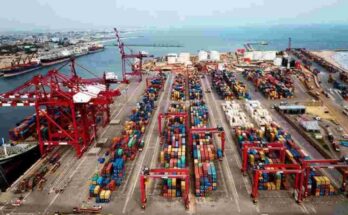
The driving force behind Moody’s decision is the remarkable economic performance of Benin. In 2025, the country’s GDP surged by 8.1 %, the highest growth rate since 1990. This achievement places Benin among the fastest-growing economies in West Africa, fueled by the expansion of the Glo-Djigbé Special Economic Zone, the cotton industry’s industrialization, and the development of a logistics corridor connecting the port of Cotonou to landlocked Sahelian nations.
This robust growth has been accompanied by a steady improvement in public finances. For several years, Beninese authorities have pursued a fiscal consolidation strategy aimed at reducing the deficit below the 3 % of GDP ceiling set by the West African Economic and Monetary Union (WAEMU). Expanding the tax base, digitizing revenue collection, and actively managing debt are among the measures highlighted by the country’s financial partners as key to this progress.
A much-needed boost for investor confidence
This rating upgrade comes at a time when several African nations are facing downward revisions or negative outlooks, largely due to the strong dollar and tighter access to international bond markets. By reaching Ba3, Benin now stands at or above the level of some regional peers, which should naturally reduce the risk premium demanded by investors for future Treasury bond issuances.
In practical terms, a stronger rating translates into more favorable financing terms. Since 2019, Benin has pioneered innovative financial instruments, including euro-denominated bonds, sustainable development bonds, and debt refinancing. This upgraded status should enable the country to extend the maturity of its debt portfolio and diversify its investor base. Issuances on the WAEMU regional public securities market could also see a positive ripple effect.
Persistent risks demand vigilance
The stable outlook does not imply an absence of challenges. Benin’s economy remains vulnerable to several factors closely monitored by credit rating agencies. Dependence on trade with Nigeria, exposure to global cotton prices, and security concerns in northern departments near Burkina Faso and Niger are variables that could impact fiscal performance.
While Benin’s public debt is considered sustainable by the International Monetary Fund (IMF) under its program with Cotonou, it remains high relative to GDP. Debt servicing consumes a significant portion of state revenues, limiting fiscal flexibility in the event of an external shock. Investors will be closely watching whether authorities can maintain current discipline while funding ambitious social and infrastructure spending.
Nevertheless, Moody’s decision validates Benin’s long-standing economic policy strategy and reinforces Cotonou’s role as a benchmark for francophone West Africa, alongside Côte d’Ivoire and Senegal. In a regional context where macroeconomic credibility is a key geopolitical asset, this upgrade underscores the country’s commitment to sustainable growth. Analysts suggest that further favorable revisions could be on the horizon if the current momentum persists.