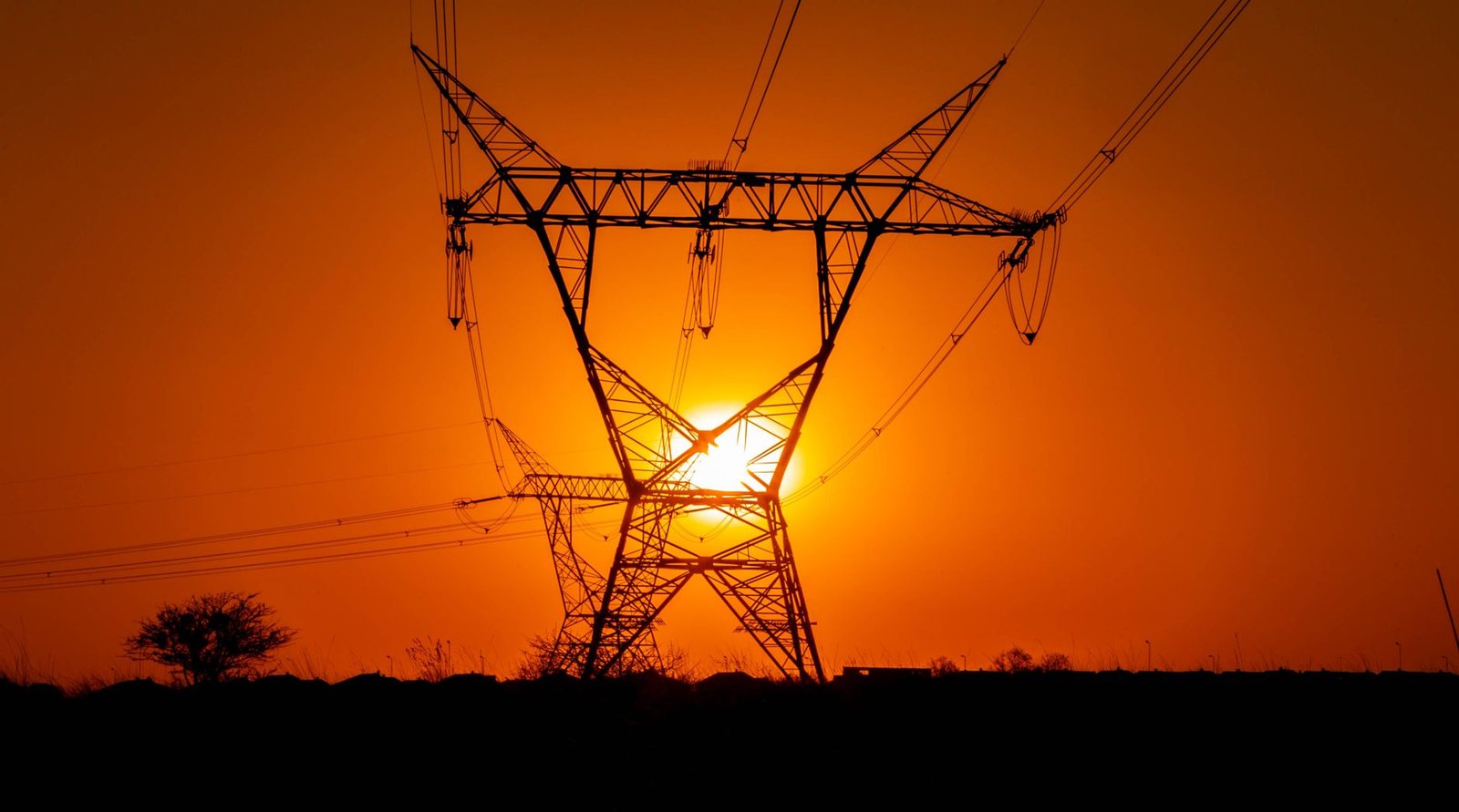
The Gabonese government has officially introduced its 2026-2035 energy development strategy in Cape Town during the Africa Energy Forum, a premier gathering for the continent’s power sector. Led by Philippe Tonangoye, the Minister for Universal Access to Water and Energy, the Gabonese delegation outlined its vision to a diverse audience of representatives from over forty-five nations, international financial institutions, and major industrial players. This presentation marks a decisive effort by Libreville to re-establish its presence in the African energy landscape and secure a portion of the capital currently flowing into continental infrastructure.
A decade-long strategy to eliminate power shortages
The newly revealed ten-year plan is designed to fundamentally reorganize the national energy mix. Currently, Gabon relies heavily on a combination of hydroelectricity and thermal power. The roadmap seeks to diversify these sources while prioritizing the expansion of essential services to the entire population. Achieving universal electricity access is a cornerstone of this initiative, particularly for rural communities where connection rates significantly trail behind those in urban centers.
Government officials emphasize that the challenge extends beyond mere generation. Modernizing the aging transmission and distribution networks is critical, as current infrastructure weaknesses lead to frequent service disruptions and technical losses. To address this, the plan rests on three primary pillars: increasing total installed capacity, upgrading transport infrastructure, and implementing decentralized energy solutions for isolated regions. This comprehensive strategy is intended to make the goal of total national coverage a reality.
Cape Town as a platform for global investment
Choosing the Africa Energy Forum as a launchpad was a calculated move. The annual event in Cape Town serves as a hub for public decision-makers, multilateral lenders, and private investors. For Gabon, navigating a tight budget and managed public debt, the success of this decadal plan hinges on attracting both concessional financing and private equity.
During the sessions, Philippe Tonangoye highlighted upcoming investment opportunities in both renewable energy and transitional thermal projects. Gabon possesses vast, underutilized hydroelectric potential—estimated at several gigawatts—alongside significant solar prospects in specific regions. Furthermore, the authorities are advocating for the local processing of natural gas to fuel domestic electricity production as a key development axis.
The presence of global financial entities provides Libreville with a direct line to initiate bilateral negotiations. However, the true measure of success will be transforming this strategic vision into bankable projects. International backers typically require stable regulatory frameworks, competitive bidding processes, and clear tariff structures before committing to long-term investments.
Energy independence and industrial growth
The 2026-2035 plan is part of a broader push by the transition authorities to assert economic sovereignty. Energy is the linchpin of this ambition, as a reliable power supply is essential for developing local industrial value chains, particularly in the timber, mining, and hydrocarbon processing sectors. Moving up the value chain in these industries requires a competitive and consistent energy supply.
The government must now balance these industrial requirements with Gabon’s international climate commitments, especially given its role as a leader in forest conservation. The coming decade will be defined by the trade-offs between rapidly deployable thermal capacity and the acceleration of renewable energy projects. The forum in Cape Town has effectively opened this dialogue, testing investor interest in the evolving Gabonese market.