Gabon’s diplomatic push: turning Africa tour promises into economic gains
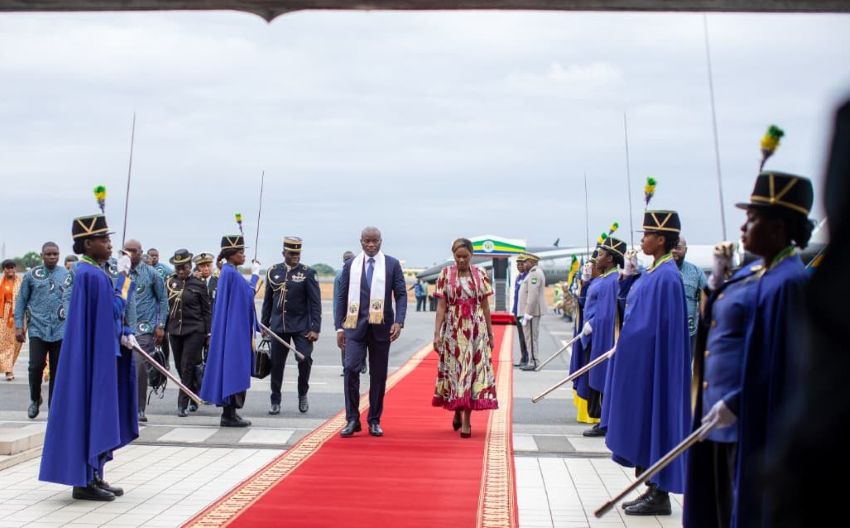
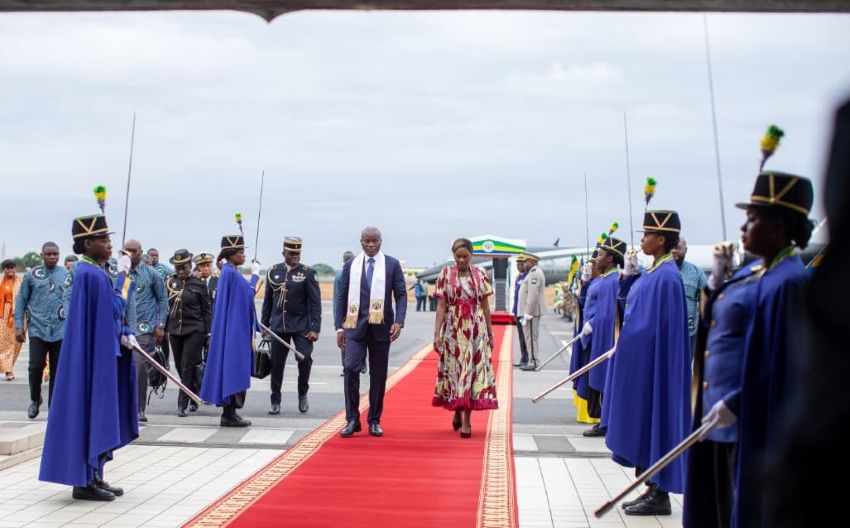
The diplomatic marathon has concluded, and now Gabon faces a pivotal moment. From July 27 to August 7, 2026, President Brice Clotaire Oligui Nguema crisscrossed Africa, forging connections that extend far beyond ceremonial handshakes. Upon returning to Libreville, the true test begins: transforming these diplomatic victories into tangible economic progress.
The Gabonese head of state’s African tour was far from a routine diplomatic exercise. It was a carefully orchestrated mission to reposition Gabon on the continent’s economic map. While traditional political exchanges took place, the focus shifted toward concrete collaboration in infrastructure, energy, agriculture, workforce development, trade, and investment. This marks a significant evolution in Gabonese foreign policy—one where diplomacy is no longer just about representation but about driving domestic transformation.
From diplomatic gestures to economic levers
The Côte d’Ivoire leg of the tour exemplifies this new approach. In Abidjan, President Oligui Nguema didn’t just attend meetings; he examined industrial and urban projects, toured critical infrastructure, and engaged with business leaders like those from NSIA and Aurion Capital. The message was clear: Gabon is open for business and seeking partnerships that can fuel its economic diversification.
This strategy aligns perfectly with Gabon’s national priorities. With a need to reduce reliance on traditional revenue streams and unlock new economic potential, the president’s tour served a dual purpose. It reinforced state-to-state relations while simultaneously positioning Gabon as an attractive destination for capital, innovation, and trade.
Redefining African solidarity through economic interdependence
The tour also underscored a broader vision for Gabon’s role in Africa. Libreville is not just looking to strengthen ties with its neighbors—it aims to contribute to a continent-wide integration model built on shared economic interests. Côte d’Ivoire’s experience offers valuable lessons in how proactive infrastructure development, industrialization, and private sector engagement can elevate a nation’s economic standing.
By studying Ivorian urban planning, mobility systems, and industrial zones, Gabon’s president sought more than inspiration; he sought replicable models. The Gabon-Côte d’Ivoire relationship is evolving from mere diplomatic camaraderie into a platform for learning, financing, industrial collaboration, and skills transfer.
Similar opportunities emerged across other stops on the tour. Whether in energy, agriculture, or workforce training, the agreements signed must now transition from paper to practice. That’s where the real work begins.
Results over rhetoric: the next phase for Gabon
The president’s return to Libreville signals not the end of a diplomatic journey, but the start of its evaluation. A results-driven foreign policy cannot be measured by the number of meetings held or statements issued. Success will be determined by hard metrics: How many investments materialize? How many jobs are created? Which projects break ground? What technology transfers occur? Which new markets open up for Gabonese businesses?
Gabon now has a diplomatic window to attract partners, negotiate deals, and learn from Africa’s most dynamic economies. The challenge ahead is to ensure this new diplomatic approach doesn’t remain a showcase of potential, but becomes a catalyst for real economic transformation.
The white sash adorned with Gabon’s national emblem, worn throughout the tour, symbolizes the blend of national pride and continental ambition. But symbols alone won’t drive change. The next chapter in Gabon’s foreign policy will be written not in kilometers traveled, but in projects realized and lives improved.
The stage is set. The question now is whether Gabon can turn its diplomatic momentum into an engine of sustainable development.