Kidnappings: the financial engine behind Boko Haram’s insurgency
The kidnapping economy: how Boko Haram monetizes violence
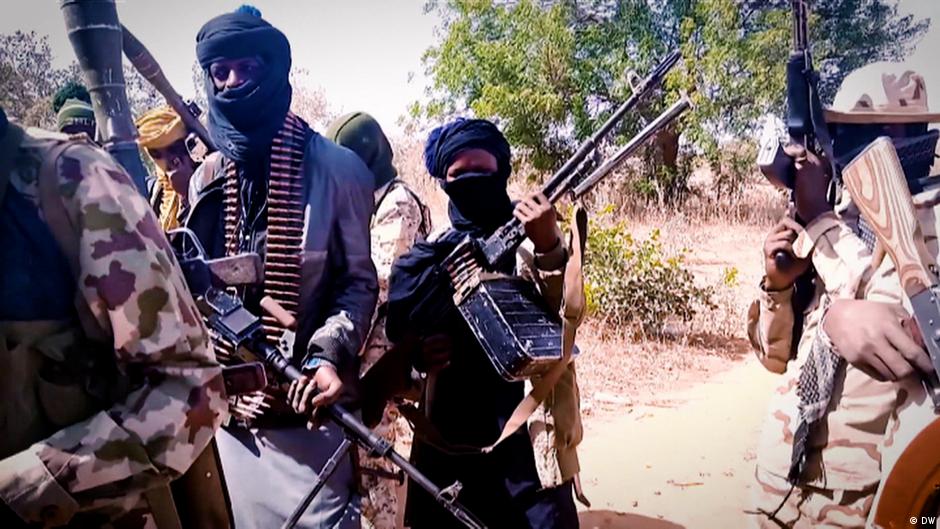
In the vast Sahel region, kidnapping has evolved from isolated crime to a structured financial system. Nowhere is this more evident than in Nigeria, Niger, Chad, and Cameroon, where Boko Haram and its splinter faction, ISWAP, generate millions through abductions.
According to security risk assessments, between July 2024 and June 2025 alone, nearly 4,700 people were kidnapped in nearly 1,000 incidents across the region. These raids, often targeting schools and border communities, have become a de facto revenue stream for militant groups. While the majority of incidents occur in northern Nigeria, neighboring countries have also borne the brunt of this strategy.
In Cameroon’s Far North, Boko Haram staged a high-profile attack last year, seizing passengers from a bus in Ziguangé. Across the border in Niger, the group abducted seven Chadian nationals near the Chad border in March. One victim was executed; the rest remain captive. Ransom demands in this case reached 500 million CFA francs—a sum that underscores the scale of this illicit funding model.
From recruitment to revenue: the dual purpose of abductions
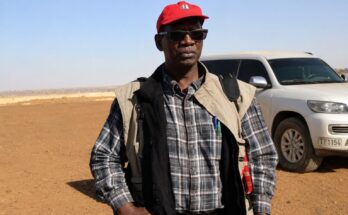
Remadji Hoinathy, a researcher at the Institute for Security Studies (ISS), explains the twofold logic behind these kidnappings:
- Recruitment and control: Forced conscription of youth, women, and entire communities serves as both a manpower source and a tool of intimidation. Captives are often coerced into joining or serving as laborers and sexual slaves.
- Economic exploitation: Ransom payments—ranging from thousands to millions of naira or CFA francs—directly fund operations. Families, local communities, and even governments have contributed to this illicit economy, despite official denials.
In the case of the Chadian hostages, Boko Haram demanded 50 million CFA francs for five captives. For the sixth—a physician—the ransom skyrocketed to 500 million CFA francs. This differential pricing reflects the group’s ruthless prioritization of high-value targets.
Governments caught between policy and pragmatism
The Nigerian government has repeatedly condemned ransom payments, going so far as to criminalize them in 2022. Violators face up to 15 years in prison. Yet, enforcement remains inconsistent. Families continue to pay, and credible reports suggest authorities have also facilitated ransom transfers—often in cash, delivered by helicopter to militant leaders.
In November 2025, approximately 230 students and staff from a Catholic school in Niger State were abducted. While Abuja denies paying a ransom, multiple intelligence sources confirm a transaction occurred. Estimates range from €1.3 million to €6 million, delivered under cover of darkness to a Boko Haram commander in Borno State. The government attributes the release to intelligence and military operations, but experts warn that denying ransom payments plays into the group’s propaganda.
Boko Haram’s birthplace and regional stronghold: the Lake Chad Basin
Founded in 2002 in Maiduguri, Borno State, Boko Haram—meaning “Western education is sinful”—began as a local movement rejecting Western influence. Under the leadership of Mohammed Yusuf, it evolved into a transnational threat, expanding into Niger, Chad, and Cameroon.
The Lake Chad Basin remains central to its operations for three key reasons:
- Geopolitical crossroads: The region links the Sahel, where IS-affiliated groups like EIGS operate, with Libya, a critical transit hub for fighters and weapons.
- Weak state presence: Marginalized zones with limited government control offer sanctuary and economic opportunities—including agriculture and livestock—through cross-border trade.
- Tactical advantage: Dense forests, swamps, and islands create natural hideouts, allowing militants to evade military pressure and regroup after attacks.
A fractured movement: the rise of ISWAP
In 2016, a schism within Boko Haram gave birth to the Islamic State in West Africa Province (ISWAP). Disillusioned with the group’s indiscriminate violence under Abubakar Shekau, ISWAP pledged allegiance to the Islamic State and adopted a more pragmatic approach.
Rather than relying solely on terror, ISWAP seeks to embed itself within local communities, offering services and governance to gain support. This strategy has fueled a violent rivalry with Boko Haram, as both factions vie for territory, resources, and recruits in the Lake Chad Basin.
Military responses and the limits of regional cooperation
The four affected countries—Nigeria, Niger, Chad, and Cameroon—have formed the Lake Chad Basin Commission and its Multinational Joint Task Force to coordinate counterterrorism efforts. Yet, despite international support—including a U.S. deployment of 200 troops in Nigeria—the insurgency persists.
Remadji Hoinathy notes that while military responses were initially state-led, the regional strategy now includes stabilization programs aimed at restoring government presence and economic development in affected areas. But after more than a decade of conflict, Boko Haram and ISWAP have demonstrated remarkable resilience, adapting to pressure and reemerging with renewed strength.
According to the United Nations, this insurgency has claimed over 40,000 lives and displaced two million people in northeast Nigeria alone—the most populous country in Africa. With no end in sight, the cycle of violence and ransom continues to fuel the group’s survival.