Conakry’s port emerges as critical transit hub for Russian military shipments
The strategic port of Conakry in Guinea has quietly become a key gateway for Russian arms destined for Mali, according to multiple ship tracking and port activity analyses. Recent maritime movements suggest a coordinated effort to reroute military supplies through West Africa, bypassing traditional routes.
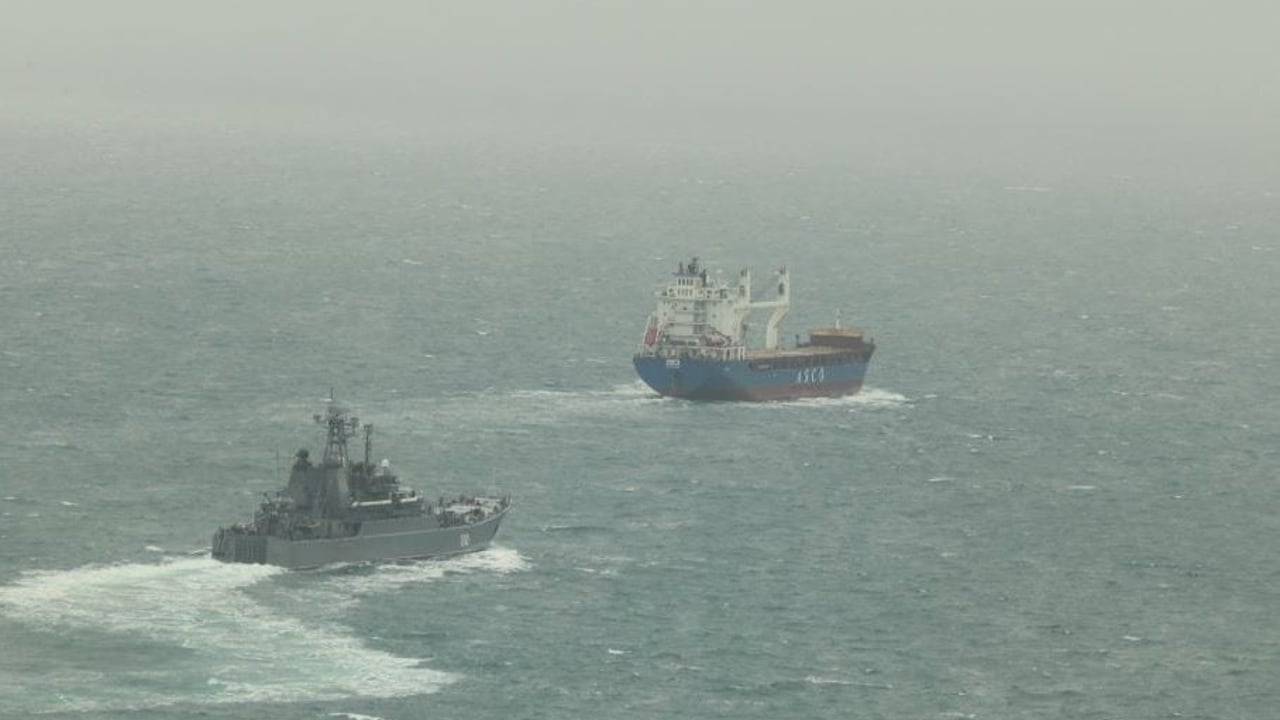
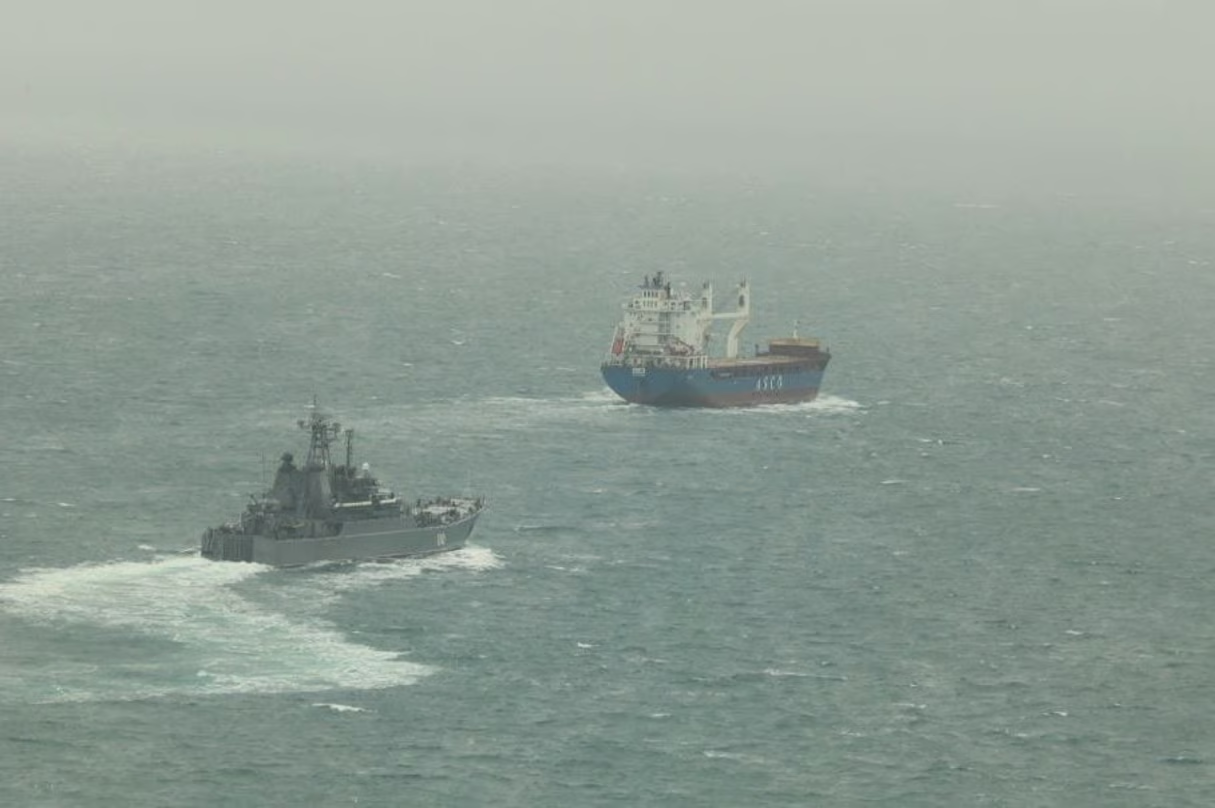
In March 2026, the Sabetta cargo vessel, escorted by a Russian navy ship, was recorded passing through the English Channel. Intelligence reports indicate the cargo included armored vehicles and small arms, later unloaded in Conakry before onward transport to Mali. This pattern aligns with broader shifts in regional arms trafficking networks, where Guinea’s capital is increasingly central to clandestine logistics.
Africa Corps expands influence in Sahel operations
The shipment coincides with the rapid deployment of the Africa Corps, Moscow’s latest security initiative in Africa. Unlike its predecessor, the Africa Corps operates under a more structured framework, blending military support with economic cooperation. Observers note that this approach has allowed Moscow to deepen ties with transitional governments in the region, including Guinea’s military-led administration under Colonel Mamadi Doumbouya.
Since Doumbouya’s rise to power in 2021, Conakry has seen a surge in Russian diplomatic and military engagement. Port infrastructure upgrades, reportedly funded by Moscow, have enhanced Guinea’s capacity to handle larger cargo volumes, raising concerns among regional security analysts about potential illicit arms flows.
Mali’s junta tightens ties with Moscow amid regional instability
The Malian junta, facing persistent insurgencies and international isolation, has turned to Moscow for military backing. Reports indicate that Russian advisors and Wagner Group operatives are actively involved in training and equipping Malian forces. The arms shipments transiting through Conakry are believed to support these operations, with some consignments allegedly repackaged to obscure their origin.
Guinea’s role, while officially neutral, has drawn scrutiny due to the lack of transparency in port operations. Customs officials have reported irregularities in cargo declarations, with several shipments labeled as humanitarian aid before being rerouted to Mali. This opacity has fueled speculation about Guinea’s potential complicity or willful ignorance in facilitating these transfers.
Regional security implications and international reactions
The growing Russian military footprint in West Africa has alarmed neighboring countries and Western governments. The Economic Community of West African States (ECOWAS) has expressed concerns over the destabilizing effects of foreign military interventions, particularly in conflict zones. Meanwhile, the United Nations has called for stricter oversight of arms shipments to prevent violations of international sanctions.
In response, some West African nations have begun sharing intelligence on suspicious maritime activities. Port authorities in Conakry have introduced additional screening protocols, though critics argue these measures may be too little, too late. The Africa Corps’ expanding presence underscores the broader geopolitical competition unfolding across the Sahel, where traditional allies are being challenged by new players.
What’s next for Conakry’s port and regional stability?
As Guinea’s port continues to play a pivotal role in these covert supply chains, questions remain about the long-term consequences for West Africa. The interplay between economic incentives, military ambitions, and regional security risks creates a volatile mix. With Mali’s junta showing no signs of compromise, the flow of Russian arms through Conakry is likely to persist, further entrenching Moscow’s influence in the Sahel.
The coming months will reveal whether regional bodies can enforce stricter controls or if Guinea’s port will remain a silent enabler of clandestine military operations.