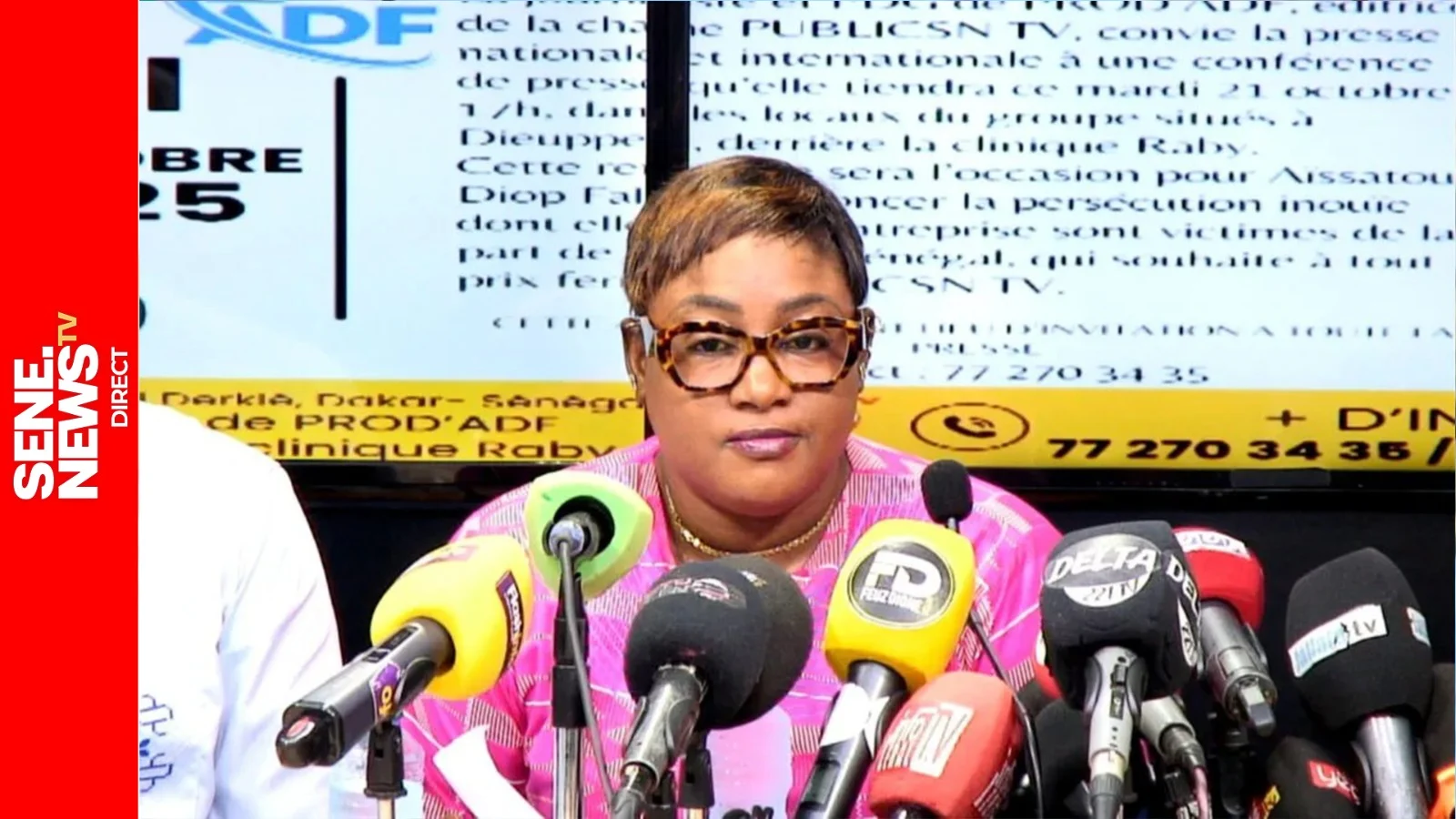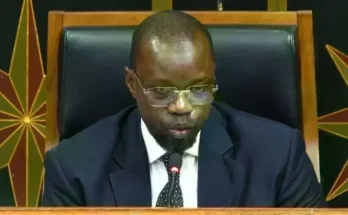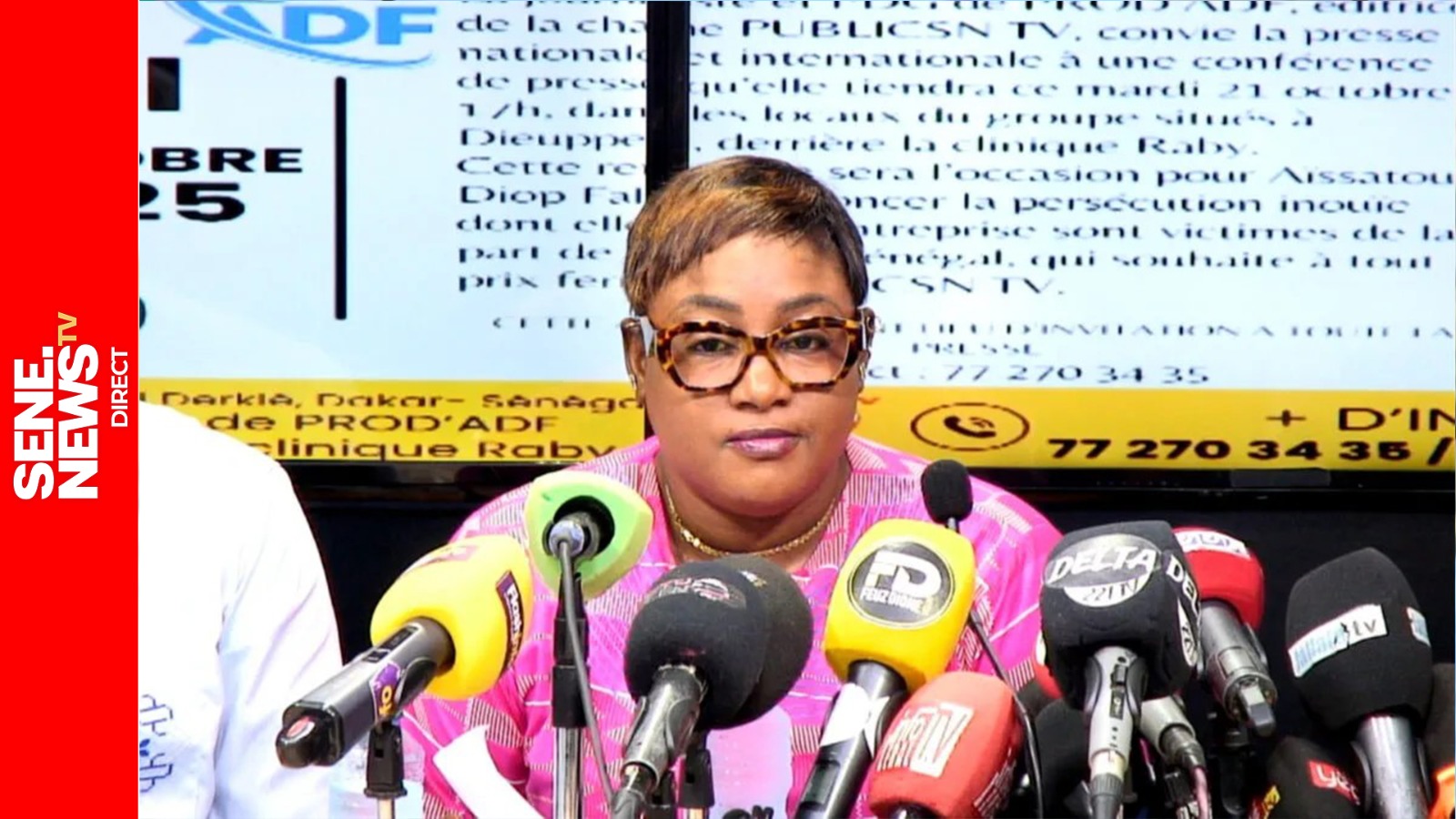
The Senegalese journalist and television channel director Aïssatou Diop Fall is now facing serious legal consequences following controversial remarks about Ousmane Sonko. Despite issuing a public apology, she remains under scrutiny as authorities investigate her statements shared online.
Investigation launched after inflammatory social media posts
Aïssatou Diop Fall has been summoned by the Division spéciale de cybersécurité (DSC) of Senegal’s national police force. This follows an official request from the prosecutor’s office at the tribunal de grande instance hors classe in Dakar. The move comes after a video surfaced where she allegedly expressed a wish for Ousmane Sonko, leader of the Pastef party, to be abducted by terrorists—a comment that sparked outrage across social media and public discourse.
Apology fails to ease legal pressure
Following the backlash, Aïssatou Diop Fall released another video to publicly apologize. However, Prosecutor Ibrahima Ndoye proceeded with the summons for formal questioning. Under Senegalese law, statements made online can lead to legal action if they violate regulations on public order, cybercrime, or incitement to violence. The DSC is tasked with assessing whether her remarks crossed legal boundaries, even if no direct action resulted from them.
Potential legal consequences under scrutiny
The prosecutor’s office could pursue charges based on multiple legal provisions, including:
- Incitement to violence or criminal acts
- Publication of content likely to disrupt public order
- Indirect threats or calls for harm against an individual
- Cybercriminality offenses for disseminating harmful digital content
The severity of potential penalties depends on how prosecutors classify the case. Possible outcomes range from monetary fines to imprisonment, particularly if the statements are deemed to encourage violence or pose a credible threat. The final decision will depend on the findings of the DSC’s investigation and the prosecutor’s assessment of the evidence.