How scientific trust safeguards our communities: a conversation with Mali’s dr. bintou dembélé
Bamako – To celebrate World Health Day 2026, which is centered on the theme “Unite for Health. Support Science,” the World Health Organization (WHO), the United Nations’ specialized agency for public health, is highlighting dedicated professionals using scientific innovation to enhance lives across the African Region.
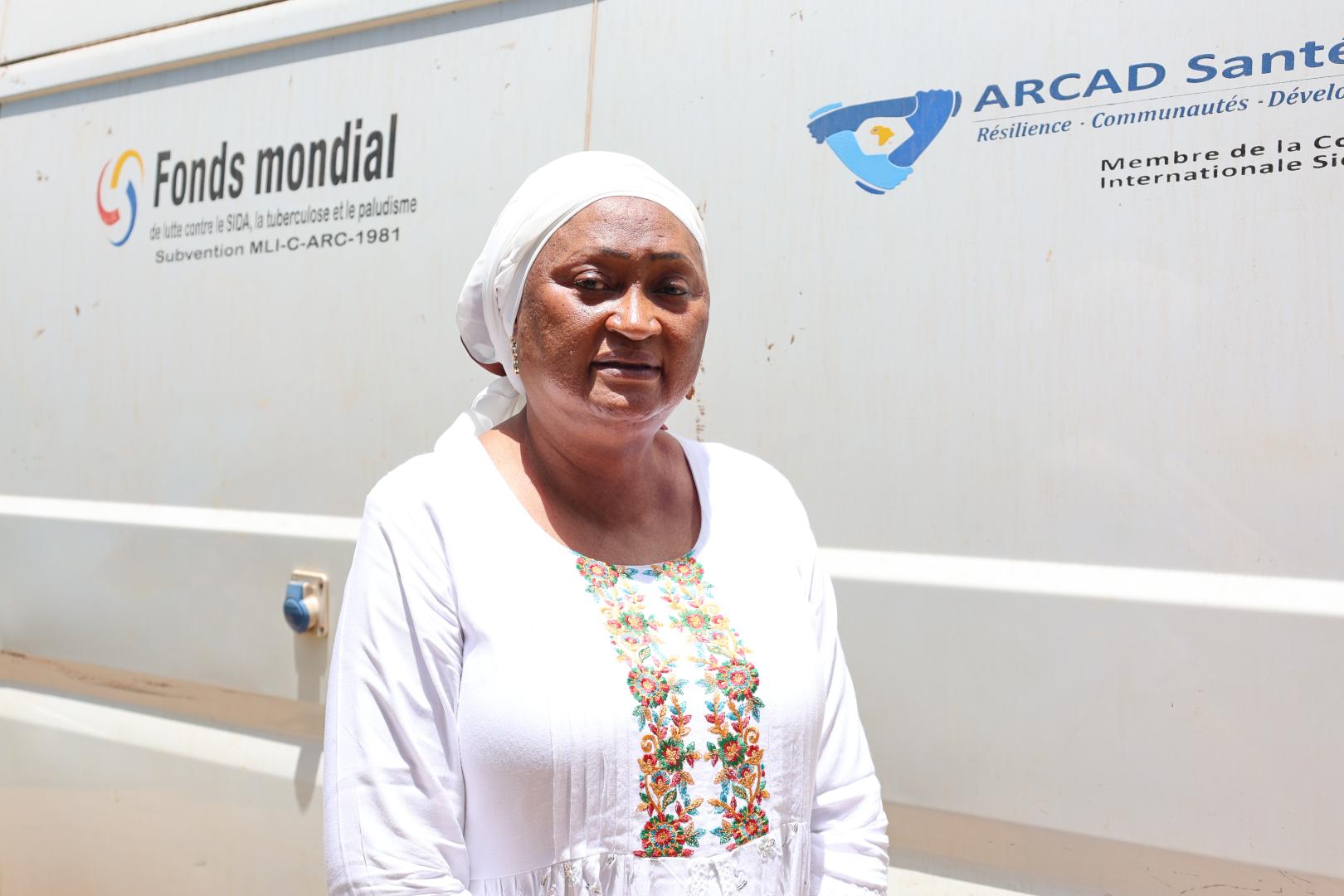
Dr. Bintou Dembélé, a physician and public health specialist, has spent years fighting infectious diseases and fortifying medical infrastructure in Mali and throughout West Africa. Driven by the conviction that science belongs to the people, she advocates for the strategic use of research to forestall health emergencies, elevate patient care, and bridge the gap between scientists, policymakers, and the public. For this World Health Day, she outlines her vision for a scientific landscape that is inclusive, cooperative, and practically applicable.
Why is championing science vital for modern public health safety?
Scientific progress is more critical than ever before. It provides the foundation for creating novel pharmaceuticals, immunizations, and clinical therapies to combat both long-standing and newly emerging pathogens.
Furthermore, science is the backbone of prevention. By deepening our understanding of how diseases originate and circulate, we can mitigate threats before they escalate into full-blown crises.
It also drives the evolution of diagnostic tools, medical hardware, and healthcare logistics. This strengthens the overall health infrastructure, significantly boosting recovery outcomes and survival rates for patients.
In what ways can scientific partnerships bolster health outcomes in Mali and the wider West African region?
Scientific alliances facilitate the exchange of expertise, practical findings, and essential resources. In West Africa, where neighboring nations often face parallel health obstacles, collective action is a powerful advantage.
These joint efforts are instrumental in managing endemic and chronic conditions while simultaneously improving maternal and pediatric health. For instance, they help devise strategies to lower mortality rates for mothers and newborns.
Beyond clinical outcomes, these partnerships fuel socio-economic growth. Healthy populations are inherently more resilient and better equipped to drive social and economic progress.
The “One Health” strategy is a major focus this year. How does this help communities avoid health emergencies?
The “One Health” philosophy is built on a vital realization: human well-being is inseparable from the health of animals and the environment. By recognizing these interconnections, communities can better predict and head off specific health risks.
This framework promotes collective alertness through localized monitoring systems and fosters deeper communication between researchers and the public. It also respects indigenous wisdom and encourages community-led research, empowering people to take charge of their own health security.
How can we accelerate the transition from scientific data to practical field application?
Scientific evidence should be treated as a public asset. To be effective, data must be processed, distributed, and utilized swiftly through systems that turn research findings into actionable policy decisions.
By rapidly embedding data into public health strategies, we can better target medical interventions, refine resource allocation, and address the specific needs of the population with greater precision.
What are the best ways to build public confidence and support for science?
Trust is rooted in clarity. To gain public buy-in, scientific details must be communicated in a way that is transparent, straightforward, and culturally relevant to local contexts.
By disseminating knowledge through familiar community channels, we encourage open dialogue and social participation. In this way, science evolves into a collective resource that serves everyone, fostering a widespread movement of public support.
Communications Officer
WHO Regional Office for Africa
Email: dialloka [at] who.int (dialloka[at]who[dot]int)
WHO Assistant (Library)
Email: cissea [at] who.int (cissea[at]who[dot]int)