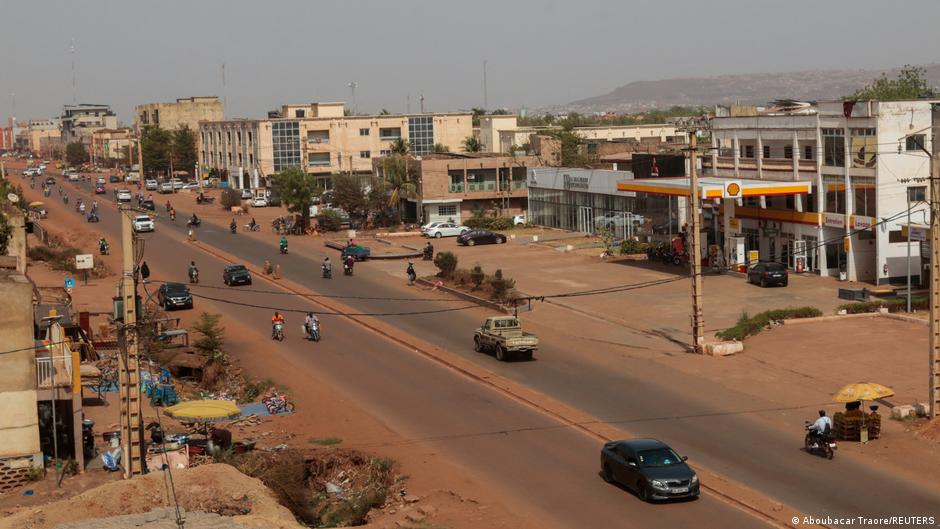
The international human rights watchdog Amnesty International has issued an urgent appeal to armed groups operating in Mali, demanding the immediate lifting of a blockade that has crippled the capital Bamako for nearly two weeks.
According to a statement released by the organisation, the Group for the Support of Islam and Muslims (JNIM) has enforced a road blockade cutting off critical supply routes into Bamako, exacerbating an already volatile security situation in the landlocked West African nation.
Civilian movement under siege in Mali’s capital
Since late April, the blockade has severed Bamako’s lifelines, leaving residents struggling to access essential goods and services. Amnesty International warned that the restrictions violate fundamental freedoms, including the right to safe movement, food security, and healthcare.
The ongoing blockade in Bamako is imposing unacceptable hardships on civilians, with severe implications for their basic rights and dignity.
On May 6, armed factions targeted a civilian convoy transporting fruits from Bamako to Bougouni in southern Mali, according to Amnesty’s report. The attack raised serious concerns, as the vehicles were not military-associated and carried no security escorts.
Military escalation in northern Mali
Amid the blockade, Malian forces have intensified airstrikes in Kidal, a city controlled since late April by the National Movement for the Liberation of Azawad (MNLA) and its allies, including the JNIM.
Local sources report persistent electricity cuts and disrupted telecommunications in Kidal, leaving residents isolated and uncertain about the unfolding situation. In Gao, another major northern city, authorities have instructed civilians to rely solely on government communications, further fuelling public mistrust.
Economic strain on northern communities
Residents in Gao have highlighted skyrocketing food prices, with the cost of onions doubling in recent weeks. Analysts attribute the economic strain to both the blockade and broader security challenges gripping the region.
Jihadist control spreads in central Mali
Independent observers confirm that armed groups have expanded their influence across central Mali, particularly along the left bank of the Niger River in the Ségou and Koulikoro regions. In these areas, local administrations have reportedly withdrawn, allowing jihadist factions to impose taxes and shutter schools.
Data indicates that over 2,300 schools remain closed nationwide, with central and northern regions bearing the brunt of the closures. Analysts warn that the prolonged instability is pushing communities to the brink, as humanitarian access dwindles and civilian casualties rise.
Calls for inclusive dialogue to resolve Mali’s crisis
Experts stress that the only sustainable path forward is a comprehensive dialogue involving all stakeholders. They argue that military confrontation alone cannot resolve the deep-rooted political and security challenges plaguing Mali.
Mali’s government must prioritise dialogue over confrontation. A lasting solution requires engaging all political and social actors to address the root causes of this crisis.
While Bamako maintains its refusal to engage in direct negotiations with designated terrorist groups, behind-the-scenes talks have reportedly occurred to facilitate fuel supply agreements, underscoring the complex realities of the conflict.