Amnesty International demands end to Mali travel blockades amid jihadist siege
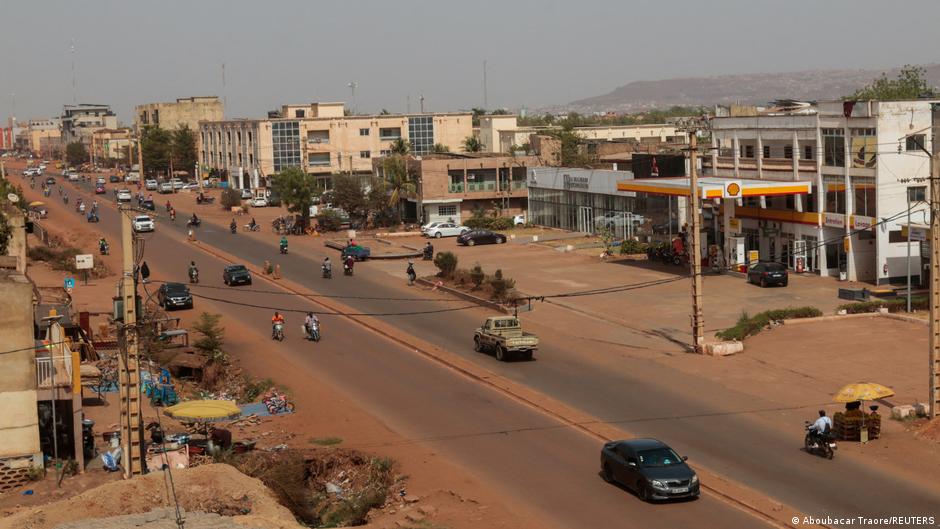
May 2026Amnesty International has issued an urgent appeal to jihadist factions in Mali to halt their ongoing blockade of the capital Bamako and restore free movement for civilians. The militant coalition, which has controlled key routes for nearly three weeks, continues to tighten its grip on the landlocked nation’s supply lines.
“The current blockade of Bamako is inflicting unacceptable suffering on civilians and threatens to escalate into severe violations of their fundamental rights to food security, healthcare and life itself,” the organization stated in a formal statement.
Among recent incidents cited by the rights group is the attack on a civilian goods convoy transporting fruits between Bamako and Bougouni on May 6. The trucks, carrying no military personnel or equipment and operating without military escort, were targeted despite clear indications of their non-combatant status.
Military escalation looms as army prepares counteroffensive
In response to the growing threat, Malian armed forces have announced plans to intensify operations against the occupied city of Kidal. The strategic northern hub has been under the control of Tuareg separatists and allied jihadists since late April. Military officials confirmed conducting multiple airstrikes on the city, while separatist leaders claim to be holding 200 Malian soldiers captive following April 25 attacks.
Residents in Kidal report severe infrastructure damage, including near-total power outages and disrupted telecommunications with other northern cities. The breakdown of reliable information has left many citizens uncertain about which factions to trust in the escalating conflict.
Economic strain and rising costs grip central and northern regions
A Gao resident, currently under government control, described a climate of growing mistrust and economic hardship. “We’re instructed to rely solely on official government statements,” she explained, noting that essential food prices have doubled in recent weeks. The cost of a kilogram of onions has surged dramatically, reflecting the broader economic strain on Malian households.
Independent analyst Hervé Lankoandé Wendyam highlighted a strategic shift in militant objectives: “There is a clear intent to sever the North from the rest of the country. The escalating violence in central Mali signals the JNIM’s ambition to capture urban centers and escalate hostilities.”
Deteriorating conditions in central Mali
A well-informed source familiar with the central regions confirmed the presence of jihadist-controlled areas along the left bank of the Niger River in Ségou and parts of Koulikoro. Government institutions have reportedly withdrawn from these zones entirely.
Militants are enforcing zakat (religious tax) collections in hundreds of villages, while dozens of schools remain closed. Official records indicate over 2,300 schools are currently shuttered across Mali, with central and northern regions bearing the brunt of closures.
Abdoulaye Sounaye, a leading researcher on Sahelian jihadist movements, described the current standoff as a phase of observation and rearmament for all parties involved. “The military government appears determined to address recent setbacks, while the JNIM and FLA factions are likewise bracing for potential offensives. Civilians caught between these forces continue to face abuses from all sides.”
According to regional experts, resolving Mali’s deepening security crisis requires inclusive dialogue involving all stakeholders. Ahmed Ould Abdallah of the 4S Center emphasized the need for national unity: “The current crisis demands political courage from Mali’s leadership. By opening genuine dialogue with all segments of society, the government can chart a path beyond perpetual conflict.”
However, Malian authorities have publicly rejected negotiations with the FLA and JNIM, classifying them as terrorist organizations. Notably, confidential negotiations were reportedly conducted to facilitate fuel deliveries, demonstrating the pragmatic realities facing the nation’s leadership.